₹274₹500
₹254₹500
₹294₹600
₹294₹600
₹254₹500
₹274₹500
₹344₹2,000
₹1,208₹2,800
₹344₹800
₹274₹500
₹254₹500
₹294₹600
₹294₹600
₹254₹500
₹274₹500
₹344₹2,000
₹1,208₹2,800
₹344₹800
₹274₹500

MRP ₹1,000 Inclusive of all taxes
COD (Cash On Delivery) Available
| # | Attribute | Value |
|---|---|---|
| 1. | brand | Questa Nursery |
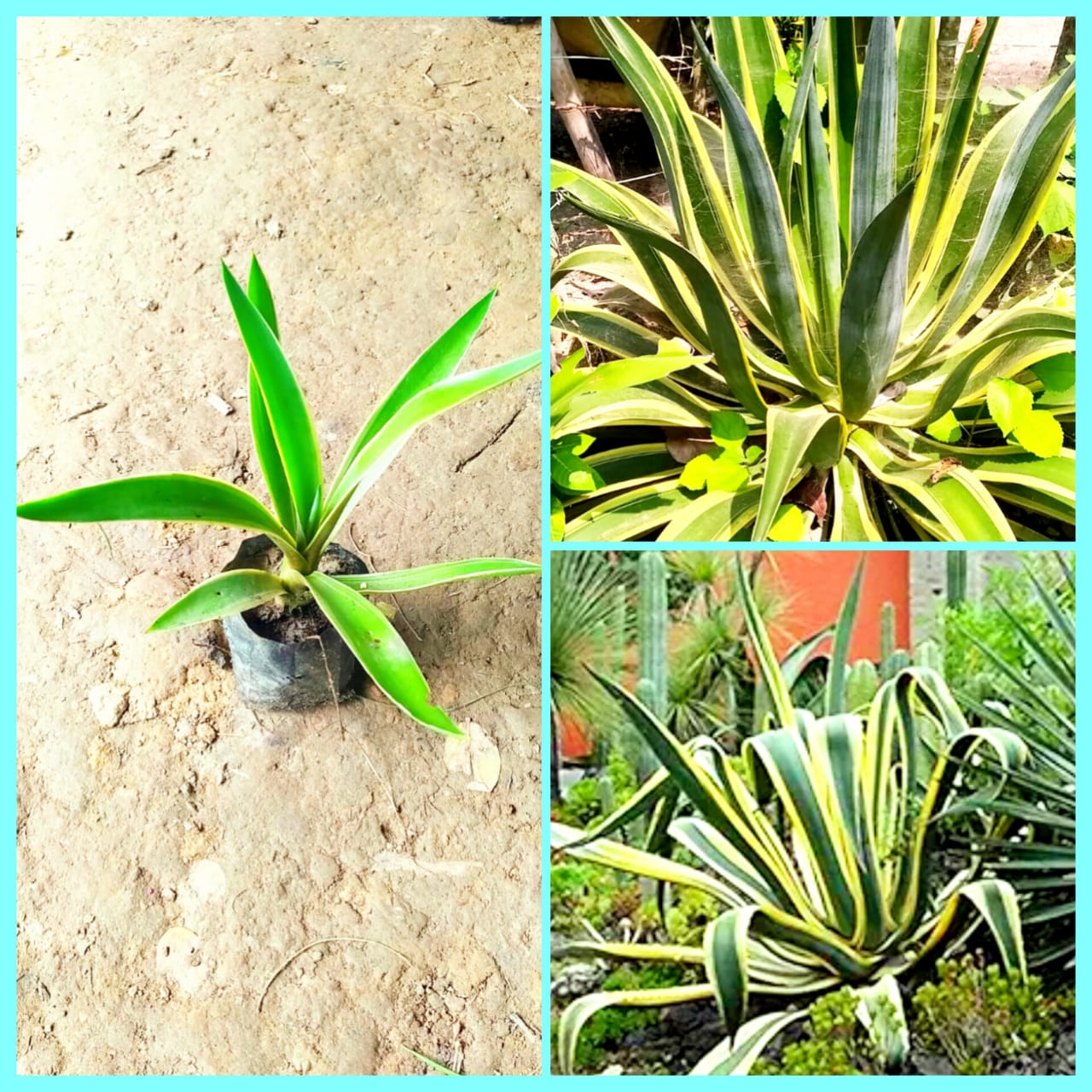
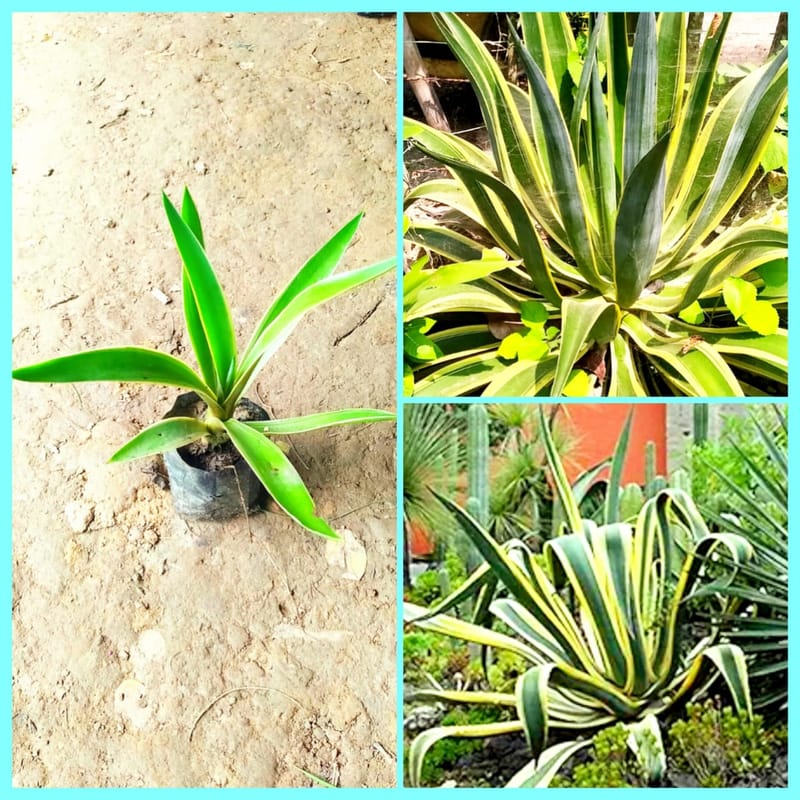
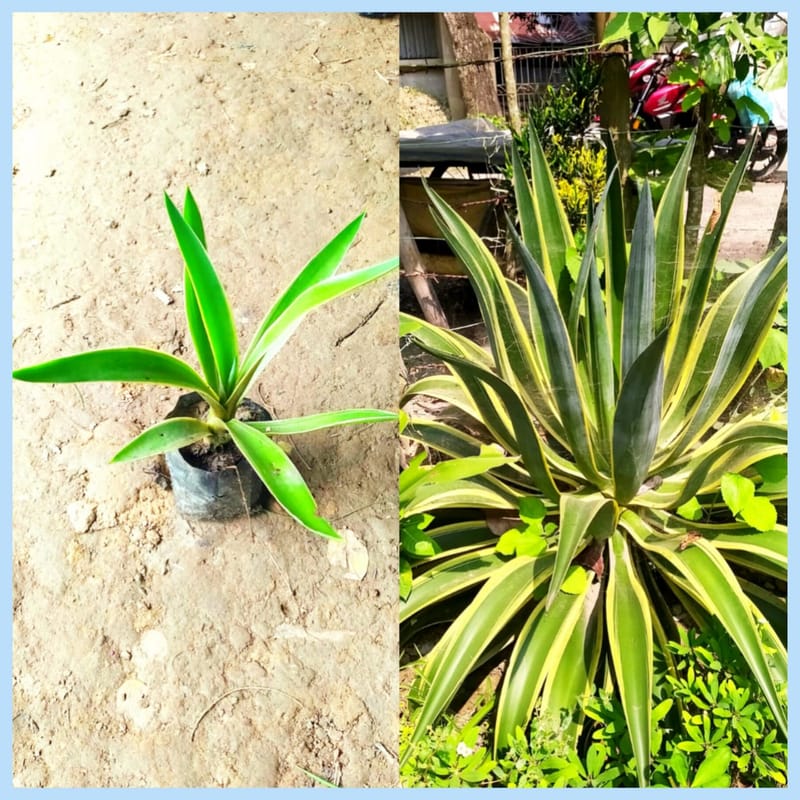
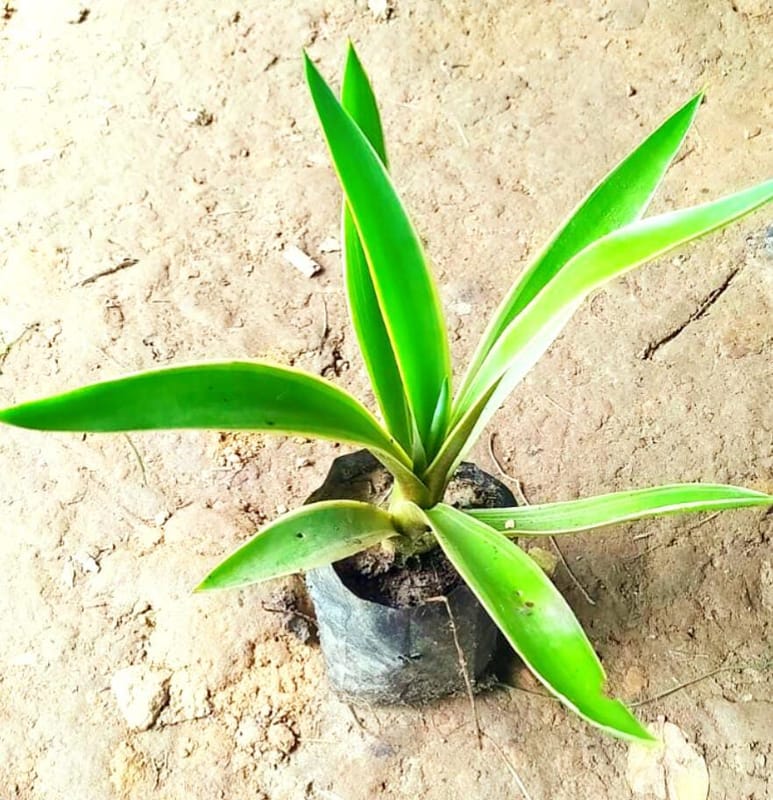
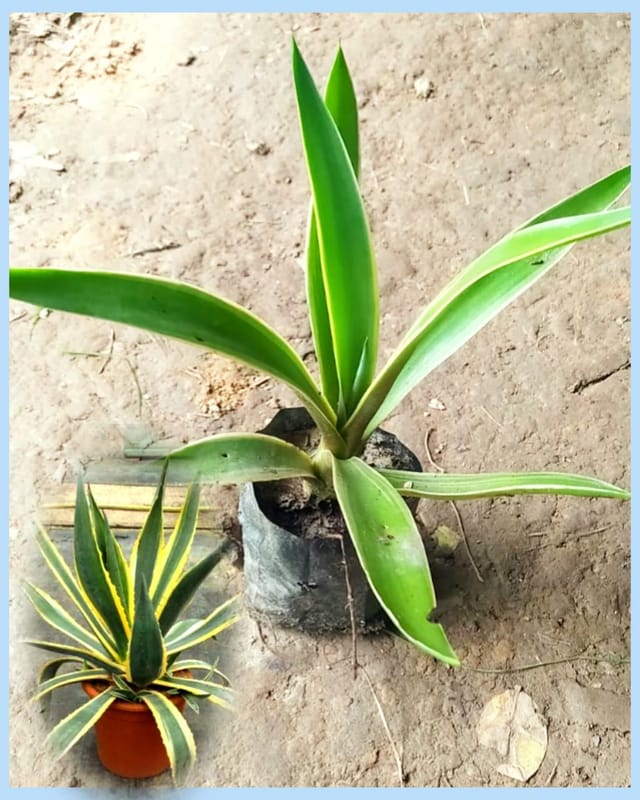
Bring home the striking Agave Americana, also known as the Century Plant, famous for its bold architectural shape and extremely low-maintenance nature. With its sharp, sword-like leaves and eye-catching form, this succulent adds a dramatic touch to gardens, terraces, balconies, and modern indoor spaces with bright light. Perfect for beginners, frequent travelers, and anyone who loves statement plants.
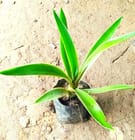
1 Healthy Agave Americana / Century Plant
Well-rooted plant in a nursery pot
Mature, thick succulent leaves
Ready for repotting after 10–15 days
🌵 Striking Architectural Look – Sharp, sword-shaped leaves that instantly stand out.
🔆 Sun-Loving Succulent – Thrives in full sun and bright outdoor spaces.
💧 Very Low Water Requirement – Ideal for busy plant parents.
💪 Hardy & Long-Living – Extremely tough plant that thrives in harsh climates.
🪴 Great for Landscaping – Used in garden borders, rock gardens & outdoor décor.
🌬️ Air-Purifying Qualities – Helps freshen and clean the surrounding air.
Place in full sunlight or bright light for best growth.
Water only after the soil becomes completely dry.
Use well-draining soil—cactus or succulent mix works best.
Avoid overwatering as it can cause root rot.
Keep outdoors for stronger growth and natural shape.
Repot every 12–18 months or when roots outgrow the pot.
Protect from heavy frost during winter.
🌿 Perfect for outdoor landscaping and decorative garden corners.
🏡 Enhances balconies, terraces, and farmhouse gardens with a bold look.
🌵 Great pick for rock gardens and desert-themed setups.
🎁 Excellent gift for succulent lovers and plant collectors.
💼 Low-maintenance plant ideal for offices, shops, and homes.
Plant size, leaf shape, and pot may vary based on availability and growth stage.
Leaves may have natural markings or patterns.
Healthy, handpicked plants with strong roots
Safe and secure packaging for live plants
Genuine varieties sourced from trusted growers
Easy customer support for plant care guidance
Loved by home gardeners across India