
Arecanut VTLAH -1 Vittal Hybrid-1 Variety Betel Nut Hybrid Dwarf Plants & Tree(1.5-3 Feet Size) - Tapobon
SKU : TAPOBON-N203
Brand : TAPOBON
Sold By : TAPOBON
₹328 ( 56% OFF )
MRP ₹747 Inclusive of all taxes
50 item left in Stock
Features
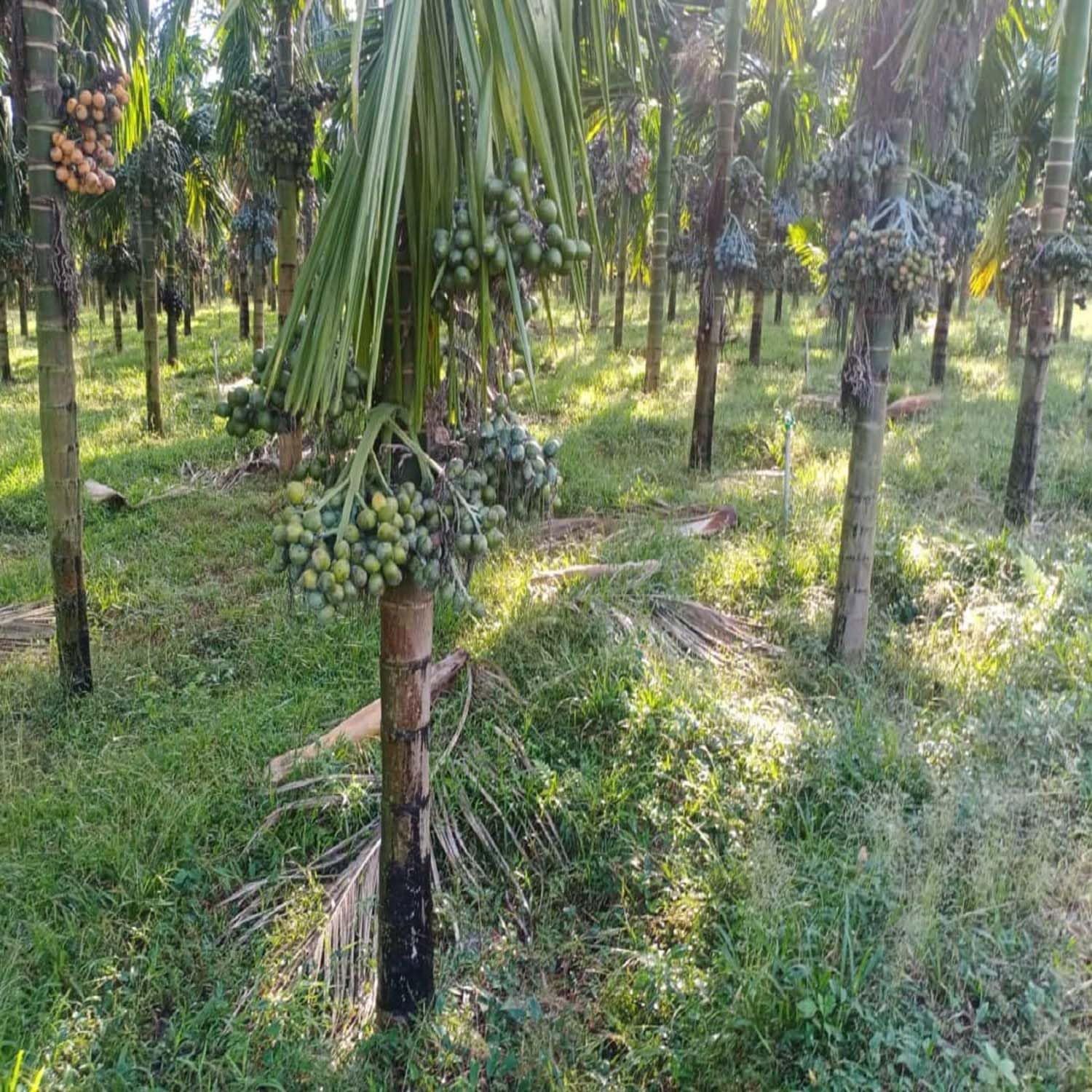
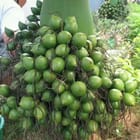
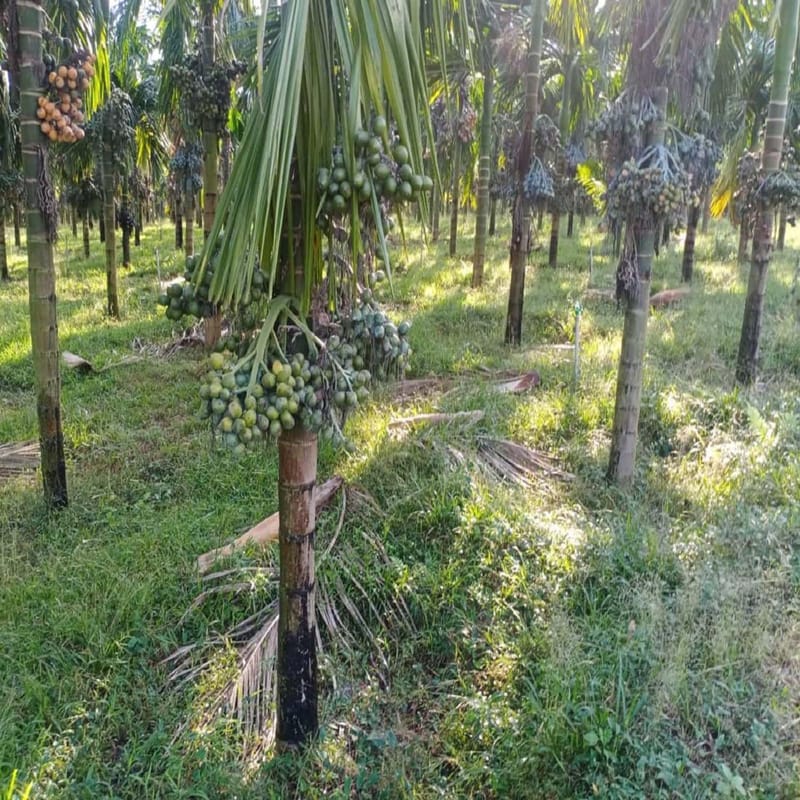
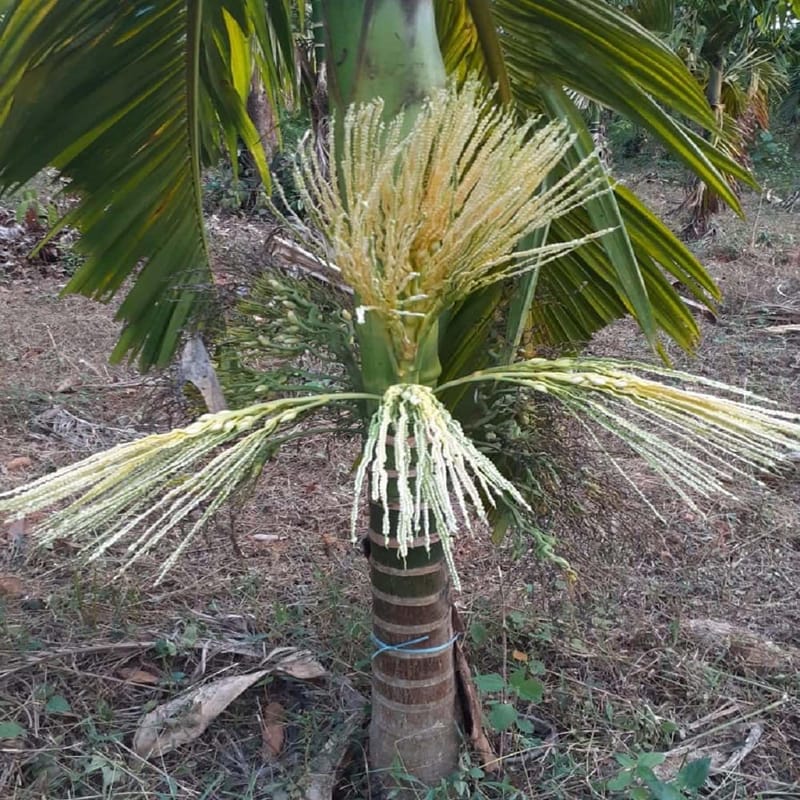
- A dwarf hybrid palm (VTLAH-1) that produces medium-sized, oval betel nuts that ripen to a yellow-orange color.
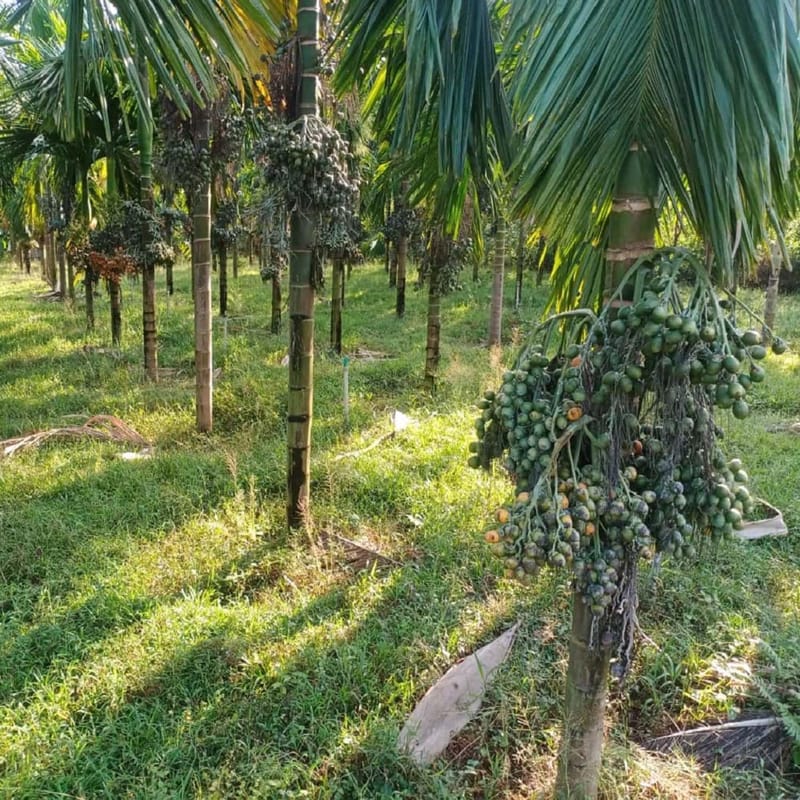
- A hybrid dwarf variety with a sturdy stem and reduced canopy that simplifies cultivation and management.
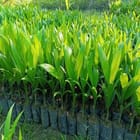
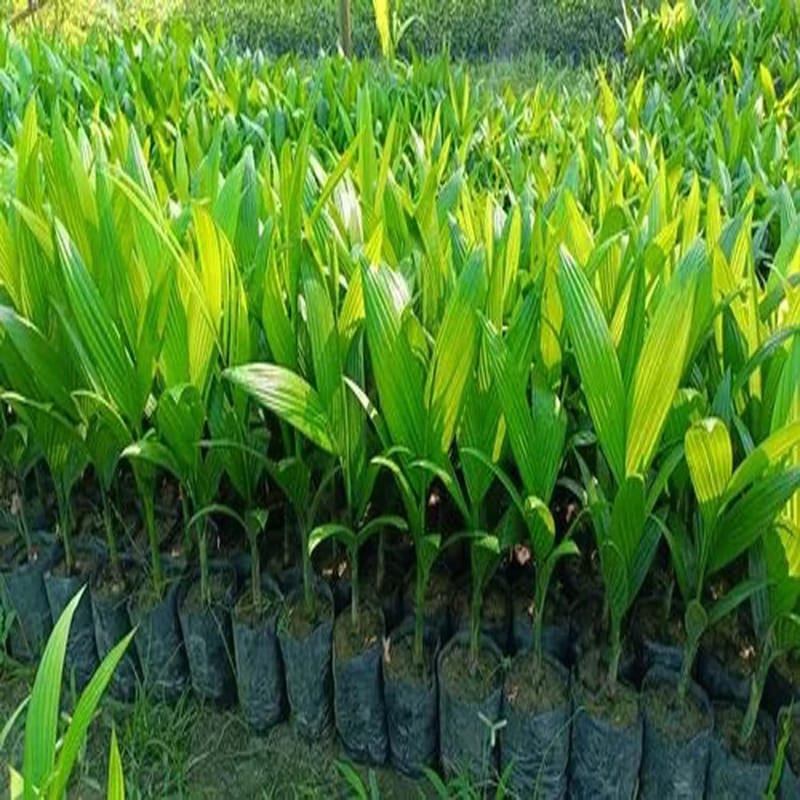
- Using a secure paper core packing method for shipping plants.which help ventilating the plant during transit.
COD (Cash On Delivery) Available
Delivery
Product Information
| # | Attribute | Value |
|---|---|---|
| 1. | brand | TAPOBON |
Plants are packed and shipped by Tapobon Nursery.
Arecanut VTLAH -1 Vittal Hybrid-1 Variety Betel Nut Hybrid Dwarf Plant
Product Features and Variety
The Arecanut Palm (Areca catechu), commonly known as Betel Nut or Supari, is an evergreen palm tree. This offering is the VTLAH -1 (Vittal Arecanut Hybrid-1), a high-yielding hybrid variety developed from a cross between Hirehalli Dwarf and Sumangala. It is specifically bred for a relatively dwarf plant habit and early stabilization in production, making it highly suitable for both ground planting and container gardening across India.
- Variety: VTLAH -1 (Vittal Hybrid-1) Betel Nut.
- Type: Hybrid Dwarf Palm. The dwarf nature, sturdy stem, and reduced canopy simplify cultivation and management while promoting an earlier harvest.
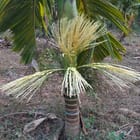
- Size: 1.5–3 Feet Height.
The Fruit: Vittal Hybrid-1 Arecanut
The VTLAH-1 hybrid produces high-quality betel nuts known for their specific attributes.
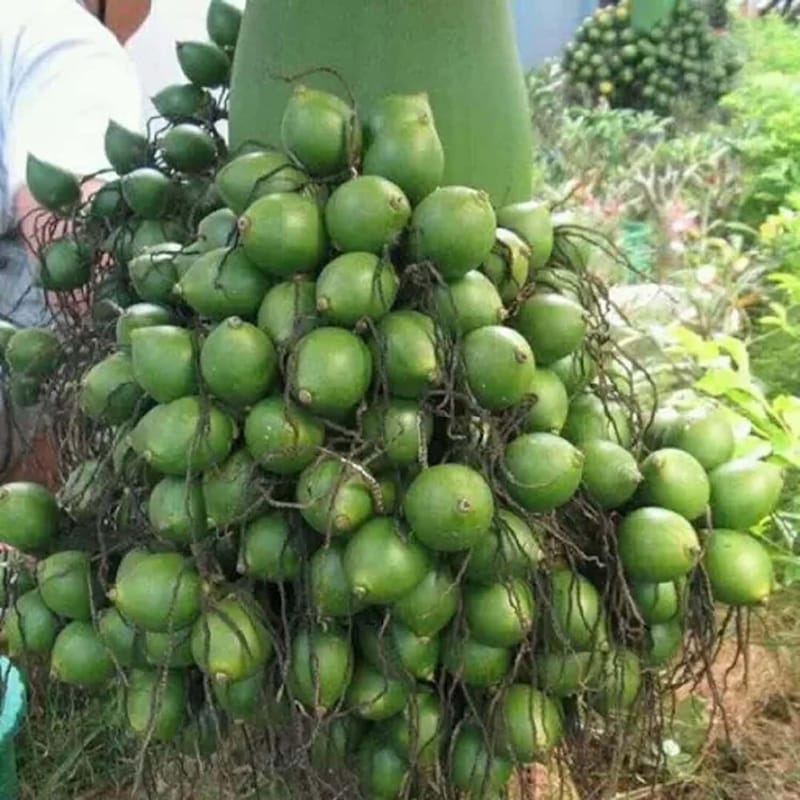
- Appearance: Fruits are medium-sized, oval to round in shape, and ripen to a yellow-orange color.
- Yield & Quality: The variety is characterized by early yield stabilization and a high recovery rate of 'chali' (dry kernel), averaging approximately 2.54 kg chali per palm per year.
- Uses: The nut is traditionally consumed as 'Supari' in 'Paan' for its mild stimulant properties and is essential in various cultural and religious practices.
Essential Care Guide for Indian Climates
Sunlight and Climate Needs
The Arecanut Palm is a tropical to sub-tropical plant that requires ample sunlight to thrive and ensure good fruit development.
- Sunlight: Requires full and direct sun exposure (at least 4-6 hours a day) for optimal growth. It can tolerate partial shade, but growth may be slower.
- Climate Suitability: Thrives in a wide range of Indian climates, favoring areas with warm temperatures, good rainfall, and high humidity, typically at low elevations.
Watering and Soil
The palm is sensitive to both waterlogging and severe drought, so attention to soil and watering is crucial.
- Soil: Plant in well-drained soil, preferably a loamy or sandy loam mix. The ideal soil pH is slightly acidic (around 5.5–6.5).
- Watering: Water regularly and deeply to keep the soil consistently moist, especially for young and potted plants, but ensure no water stagnation. Watering frequency should be reduced during cooler seasons.
- Fertilization: Use a balanced NPK fertilizer or well-rotted compost/manure twice a year to support healthy growth and fruit production.
The secure paper core packing method used for shipping ensures the plant is protected and well-ventilated during transit, ensuring you receive a healthy, genuine variety plant.




Customer Review
Be the first to review this product