
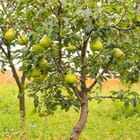

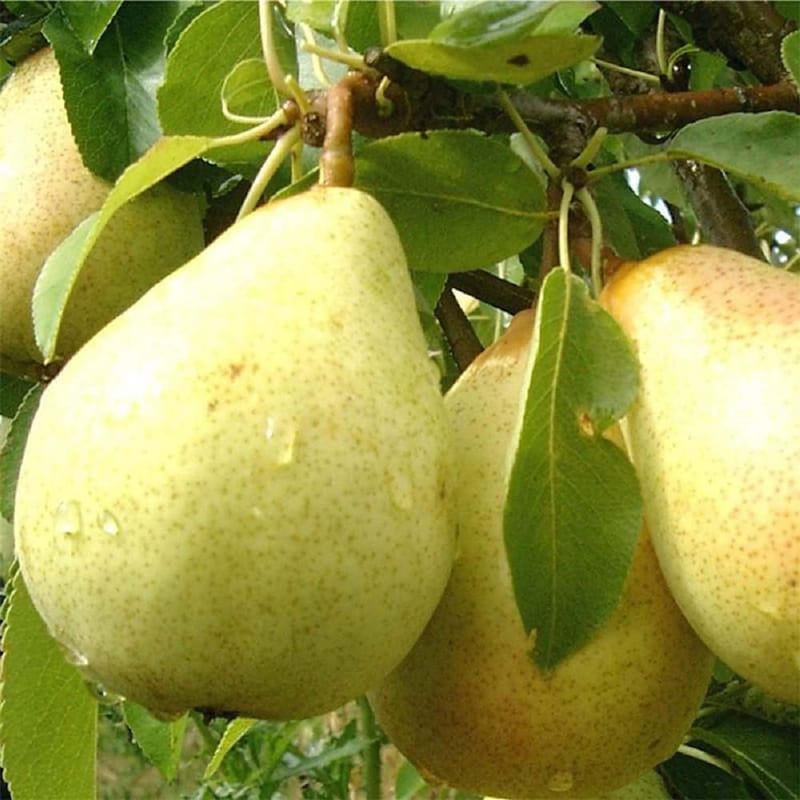
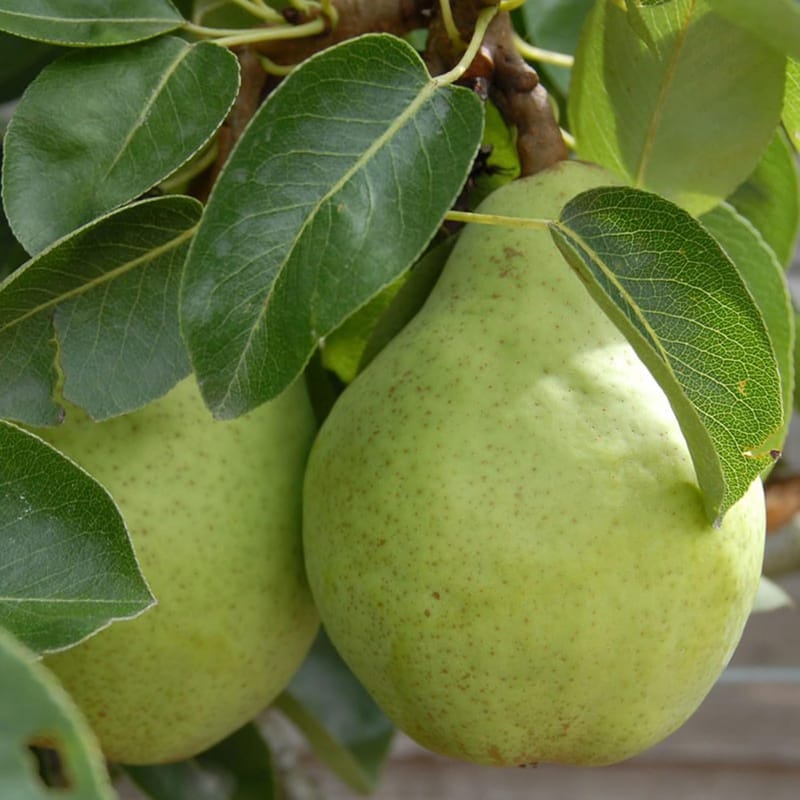
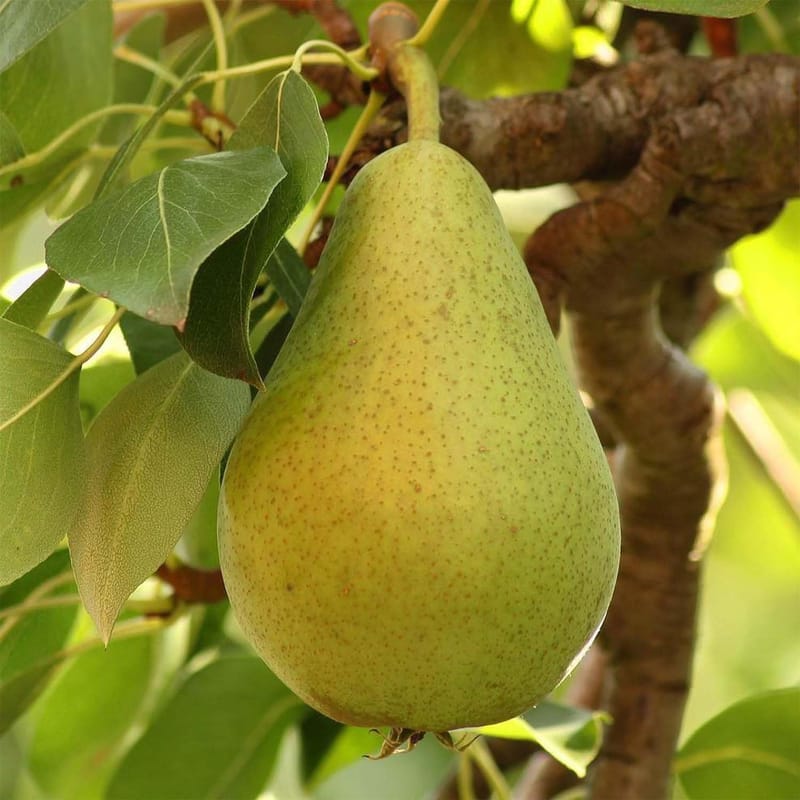
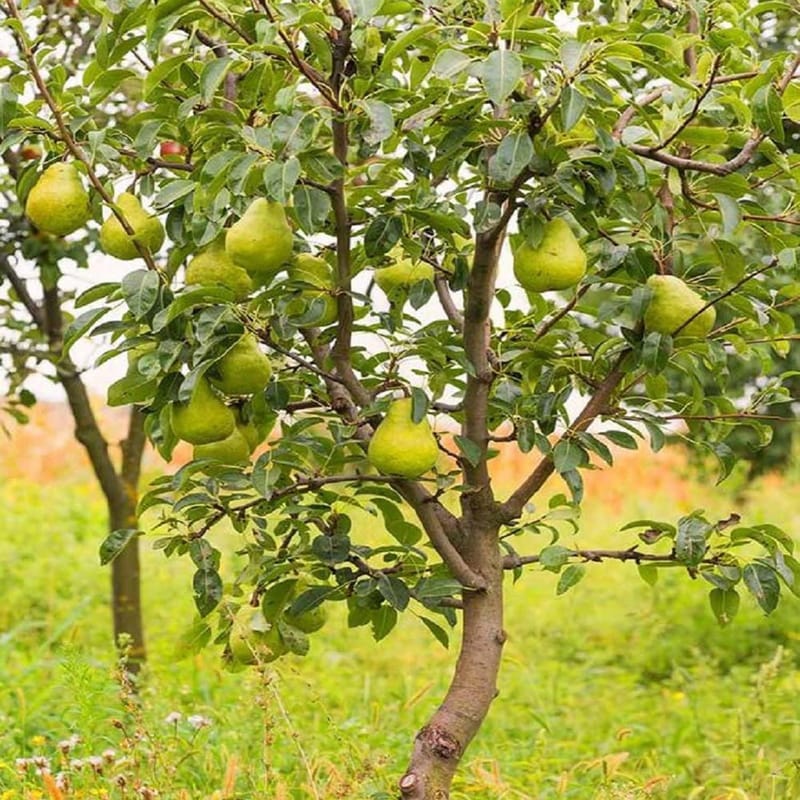
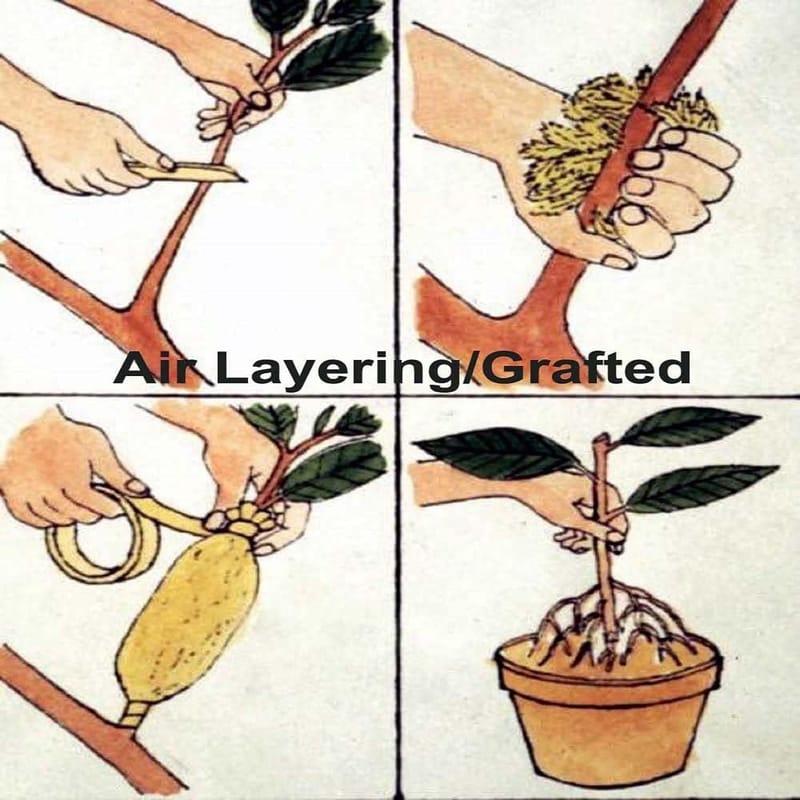
Babugosha Pear Pyrus Communis Nashpati Variety Fruit (Air Layering/Grafted) Plants & Tree(1.5-3 Feet Size) - Tapobon
SKU : TAPOBON-N316
Brand : TAPOBON
Sold By : TAPOBON
₹528 ( 57% OFF )
MRP ₹1,247 Inclusive of all taxes
50 item left in Stock
Features
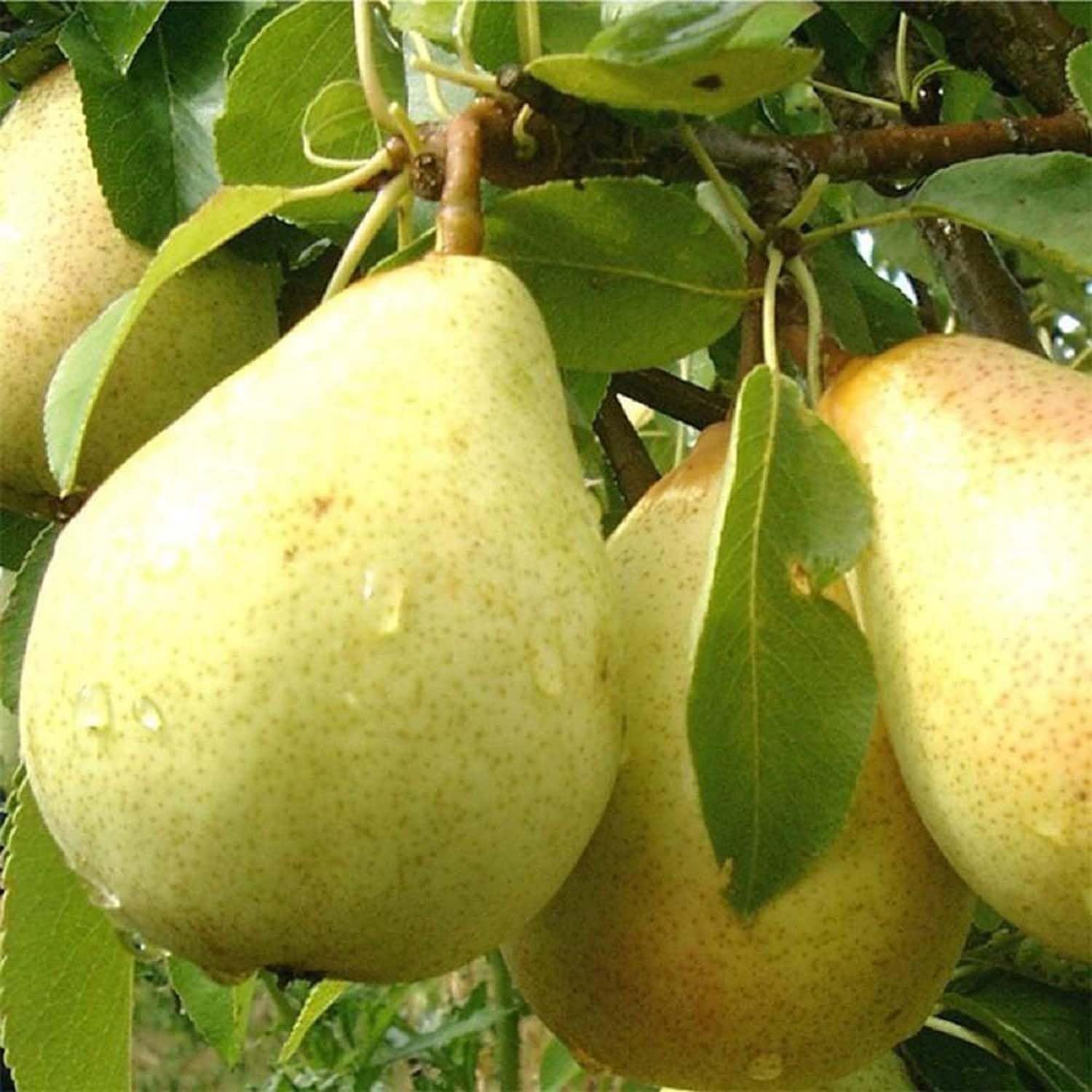
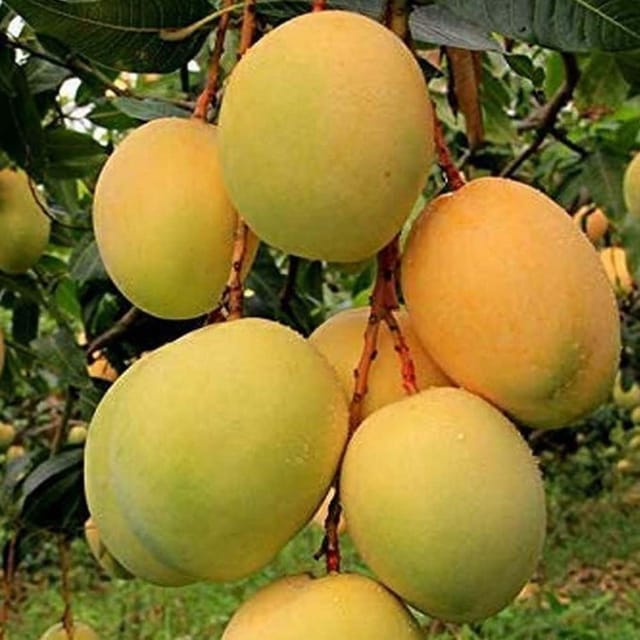
- A prized pear variety that produces soft, juicy, and mildly sweet fruit with a distinct granular texture and smooth yellow-green skin.
- This low-maintenance, grafted variety thrives in full sun (6-8 hours daily) and is suitable for beginner gardeners.
- Using a secure paper core packing method for shipping plants.which help ventilating the plant during transit.
COD (Cash On Delivery) Available
Delivery
Product Information
| # | Attribute | Value |
|---|---|---|
| 1. | brand | TAPOBON |
Plants are packed and shipped by Tapobon Nursery.
Babugosha Pear Pyrus Communis Nashpati Variety Fruit Plant
Product Features and Variety
The Babugosha Pear (Pyrus communis), commonly known as Nashpati or Indian Pear, is a medium-sized deciduous fruit tree. This variety is propagated through Air Layering or Grafting, a technique that ensures the plant retains the desired characteristics of the parent tree and promotes earlier and more reliable fruiting.
- Variety: Babugosha Pear (Nashpati).
- Type: Air Layered/Grafted Plant/Tree. Grafted plants are expected to begin fruiting approximately 3-4 years after planting.
- Size: 1.5–3 Feet Height at the time of dispatch. When planted in the ground, the mature tree can grow up to 10-14 meters (30-45 feet) tall.
- Suitability: Thrives in a wide range of well-drained, fertile soils across various Indian climates. It is excellent for cultivation in both the ground and in large containers.
The Fruit: Babugosha Pear
The Babugosha pear is a cherished fruit with distinct characteristics:
- Taste and Texture: Mildly sweet and aromatic taste with a juicy, soft flesh, often having a characteristic fine, granular texture, especially near the core.
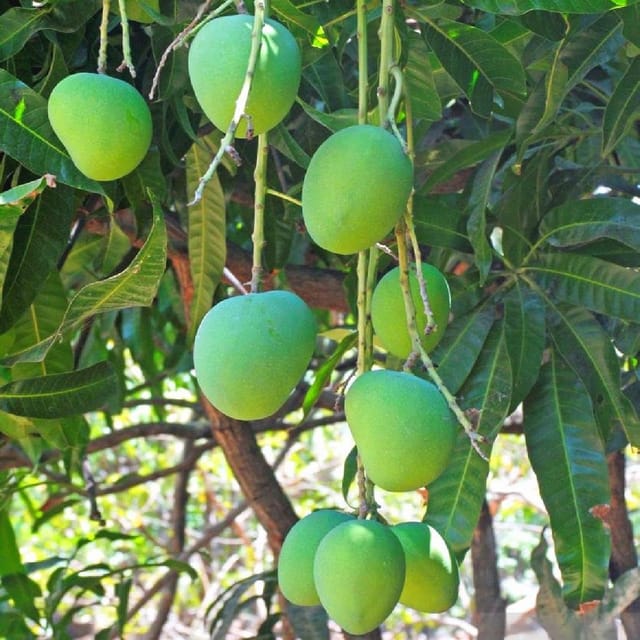
- Appearance: Typically medium to large, with a bottle-like or round shape and a smooth yellow-green skin when ripe.
- Culinary Use: Perfect for eating fresh as a snack, and can be used in salads, desserts, and various sweet and savory culinary creations.
Essential Care Guide
Sunlight and Climate Needs
- Sunlight: Requires a location that receives full and direct sunlight (at least 6-8 hours a day) for optimal fruit production. Young plants (initial 1-2 years) must be protected from scorching summer sun.
- Climate: Grows best in temperate and moist subtropical climates.
Watering and Soil
- Soil: Plant in deep, well-drained, fertile soil rich in organic content. The plant adapts to various soil types, but well-draining conditions are essential to prevent root rot.
- Watering: Water deeply and regularly when the top 2-3 inches of soil feel dry to the touch. Maintain consistent soil moisture, particularly during the growing season and dry spells.
- Pruning: Pruning in late winter or early spring during the dormant season is important to remove dead wood, shape the canopy, and promote healthy air circulation and sunlight penetration.
The secure paper core packing method used for shipping ensures the plant is protected and well-ventilated during transit, so you receive a healthy, genuine variety plant.
Customer Review
Be the first to review this product