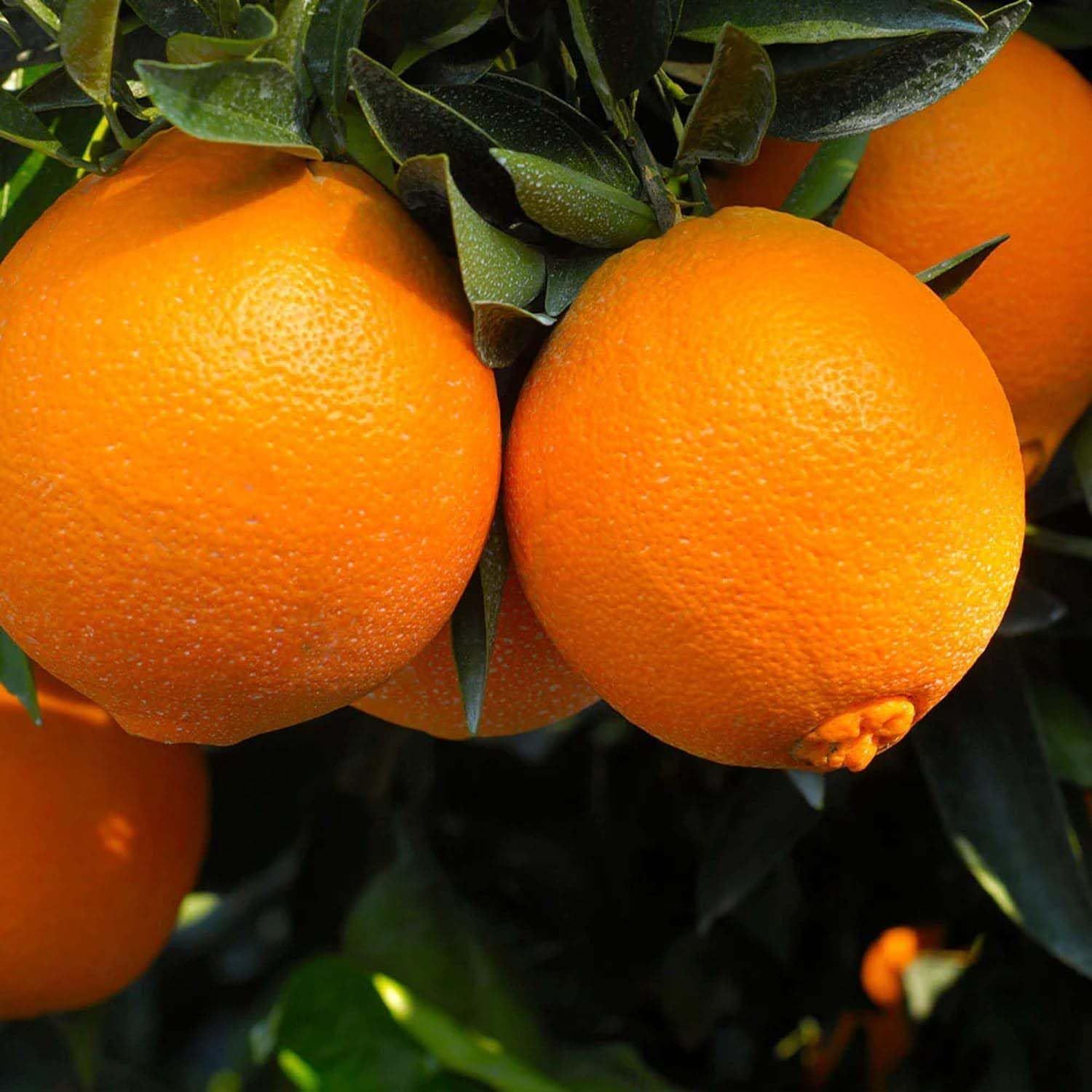



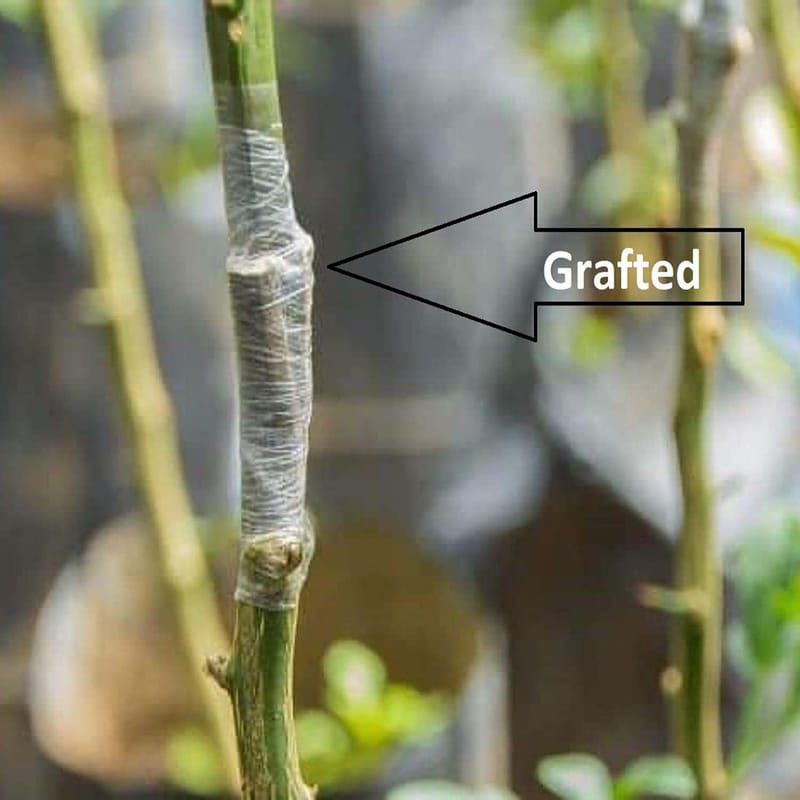
Cara Cara Navel Orange Variety Grafted Santra Fruit Plants & Tree(1-2 Feet Size) - Tapobon
SKU : TAPOBON-N164
Brand : TAPOBON
Sold By : TAPOBON
₹528 ( 57% OFF )
MRP ₹1,247 Inclusive of all taxes
50 item left in Stock
Features
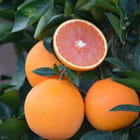
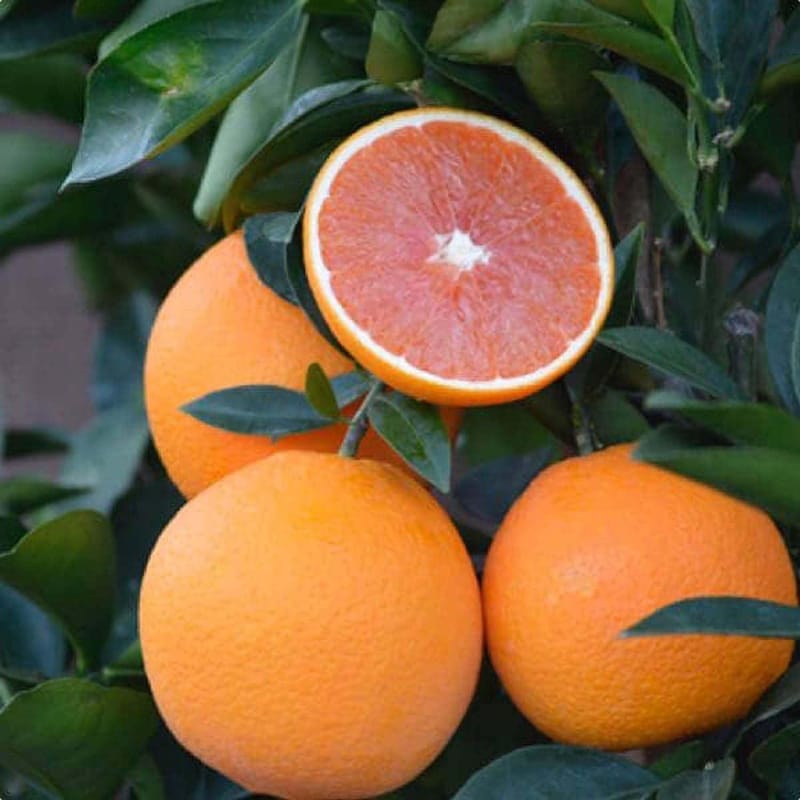
- The seedless, low-acid navel orange features a striking pink-red flesh and a sweet, complex flavor profile with subtle notes of cherry and berry.
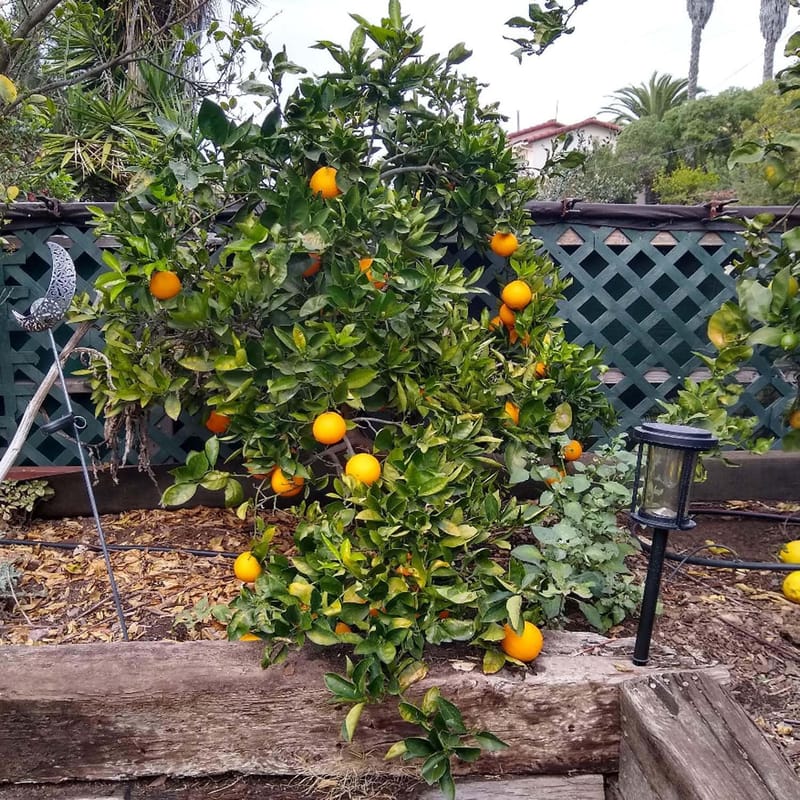
- As a grafted variety, it ensures earlier fruit production and is excellent for home gardens or container planting.
- Using a secure paper core packing method for shipping plants.which help ventilating the plant during transit.
COD (Cash On Delivery) Available
Delivery
Product Information
| # | Attribute | Value |
|---|---|---|
| 1. | brand | TAPOBON |
Plants are packed and shipped by Tapobon Nursery.
Cara Cara Navel Orange Variety Grafted Santra Fruit Plant
Product Features and Variety
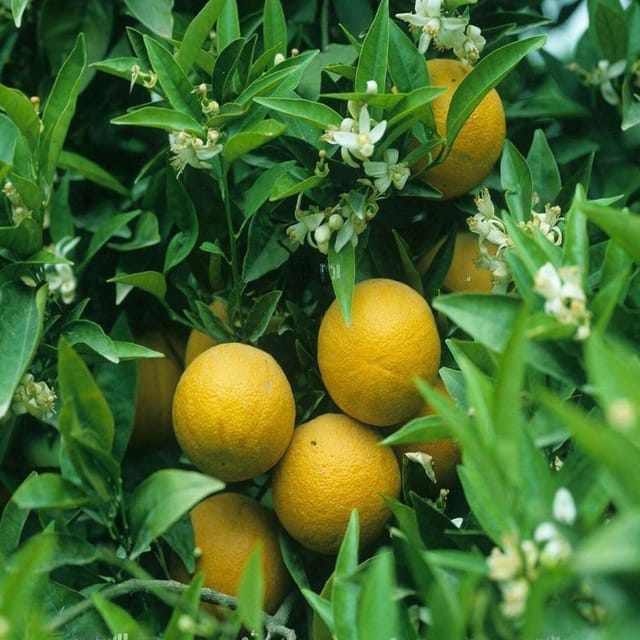
The Cara Cara Navel Orange (Citrus sinensis 'Cara Cara') is a highly prized variety of sweet orange. This offering is a Grafted Plant, a method that ensures you receive a plant true to the Cara Cara variety and promotes earlier fruit production, making it an excellent choice for home gardens or container planting in Indian climates.
- Variety: Cara Cara Navel Orange (also known as Red Navel Orange or Pink Navel Orange).
- Type: Grafted Fruit Plant/Tree, suitable for cultivation in most Indian soil and climate conditions.
- Size: 1-2 Feet Height (suitable for both ground planting and large containers).
The Fruit: Cara Cara Navel Orange
The Cara Cara orange is celebrated for its unique internal color and exceptional flavor profile:
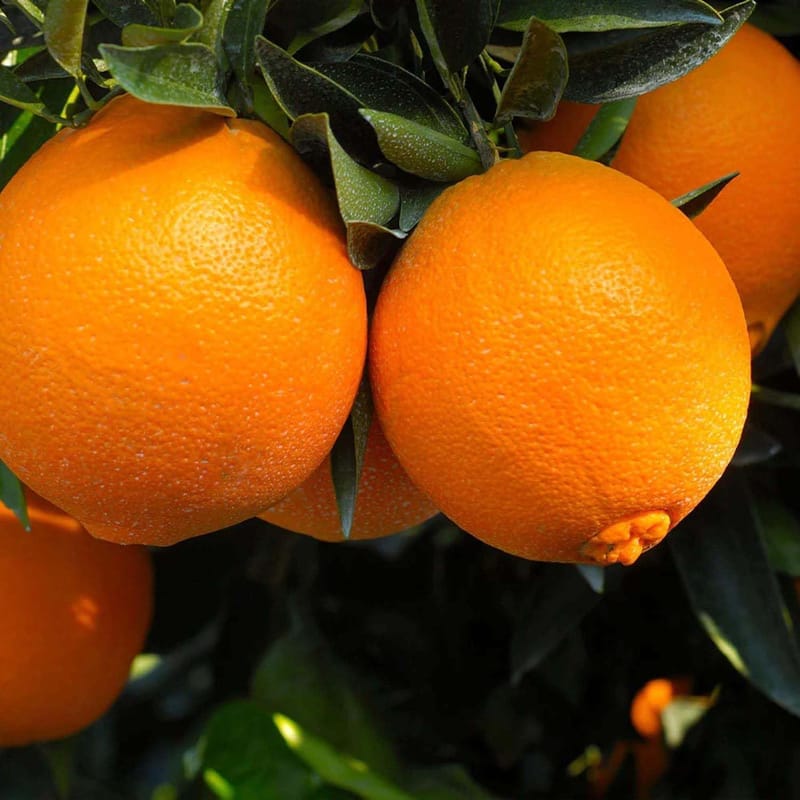
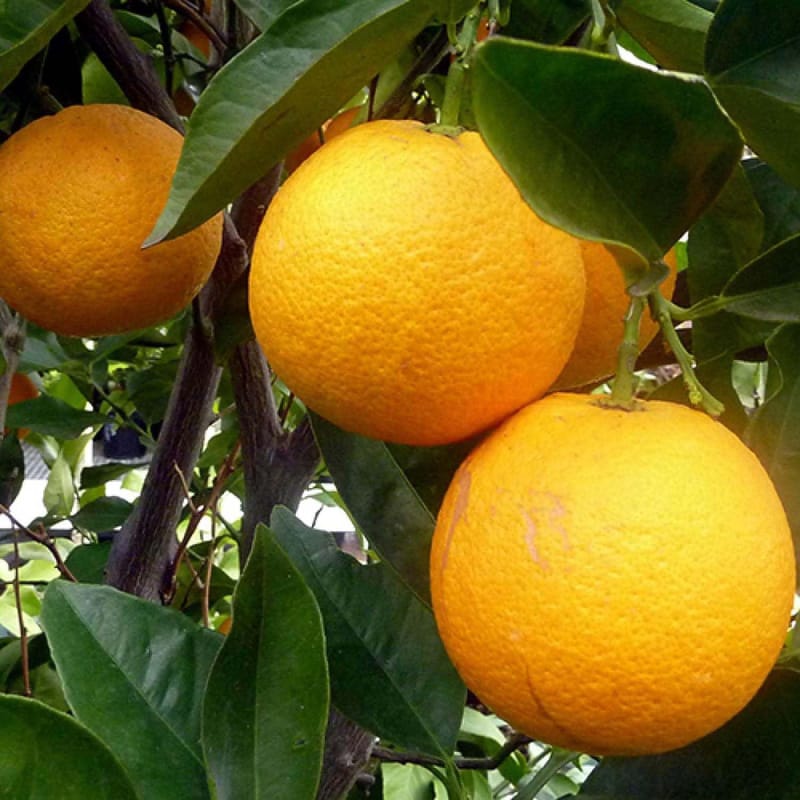
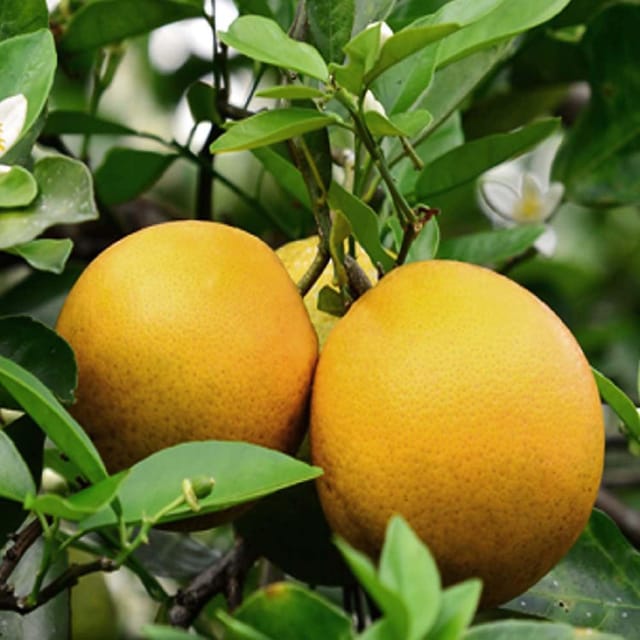
- Appearance: Features a bright orange rind, but the interior flesh is a striking pinkish-red or coral hue, which is due to the natural presence of Lycopene.
- Taste and Texture: Known for being exceptionally sweet with low acidity, offering a complex flavor with subtle notes of cherry and berry.
- Seedless: The fruit is mostly seedless and has a juicy texture, making it perfect for fresh eating and juicing.
- Nutritional Value: It is a good source of antioxidants like Lycopene, and contains high levels of Vitamin C and Vitamin A.
- Harvest Season: The fruit typically ripens from winter to early spring.
Essential Care Guide for Indian Climates
Sunlight and Climate Needs
Like most citrus, the Cara Cara Orange tree requires optimal light and warmth to thrive and produce flavorful fruit.
- Sunlight: Requires full and direct sunlight, needing a minimum of 6–8 hours of sun exposure daily for best growth and fruit color development.
- Climate: Performs best in warm, temperate to subtropical regions and must be protected from frost.
Watering and Soil
Consistent care regarding watering and soil is essential, especially for container-grown plants.
- Soil: Plant in fertile, well-draining soil, ideally a sandy loam with a slightly acidic to neutral pH (6.0-7.0). Excellent drainage is crucial to prevent root rot.
- Watering: Water regularly and deeply to keep the soil consistently moist but not waterlogged. Allow the top inch of soil to dry completely between waterings, increasing frequency in hot weather.
The secure paper core packing method used for shipping ensures the plant is protected and well-ventilated during transit, ensuring you receive a healthy, genuine variety plant.



Customer Review
Be the first to review this product