
Combo Nimbu Thai Patti Lemon & Gandharaj Lemon Variety Fruit (Air Layering/Grafted) Plants & Tree(1-2 Feet Size) (Pack of 2) - Tapobon
SKU : TAPOBON-N123
Brand : TAPOBON
Sold By : TAPOBON
₹428 ( 57% OFF )
MRP ₹997 Inclusive of all taxes
50 item left in Stock
Features
- A two-variety lemon combo featuring the high-juice, tangy Thai Patti and the powerful, sweet-fragranced, oblong Gandharaj.
- A grafted combo of two lemon varieties, the juicy Thai Patti and the highly aromatic Gandharaj, that thrives in full sun.
- Using a secure paper core packing method for shipping plants.which help ventilating the plant during transit.
COD (Cash On Delivery) Available
Delivery
Product Information
| # | Attribute | Value |
|---|---|---|
| 1. | brand | TAPOBON |
Plants are packed and shipped by Tapobon Nursery.
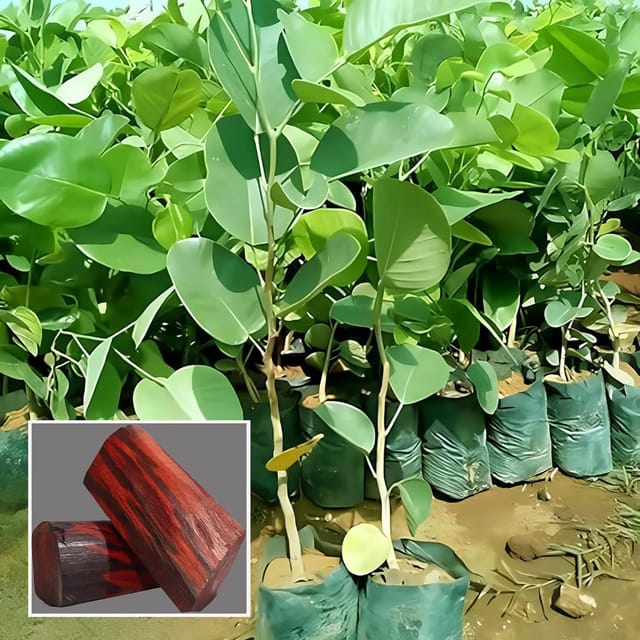
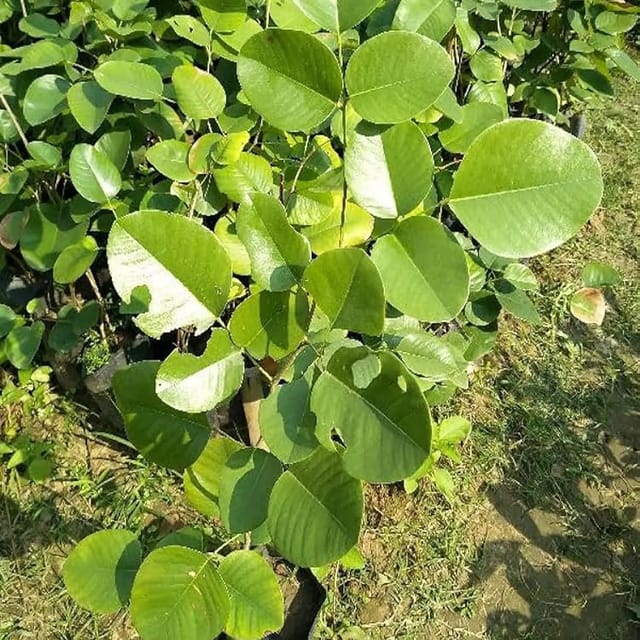
Combo Nimbu Thai Patti Lemon & Gandharaj Lemon Fruit Plants
Product Features and Variety
This combo offers two prized varieties of the evergreen Lemon plant (Citrus limon), propagated through Air Layering or Grafting. This technique ensures the plants are true-to-type, promote early and consistent fruiting, and are ideally suited for cultivation across India's diverse climatic conditions, both in gardens and large containers.
- Varieties: Thai Patti Lemon (Nimbu) and Gandharaj Lemon.
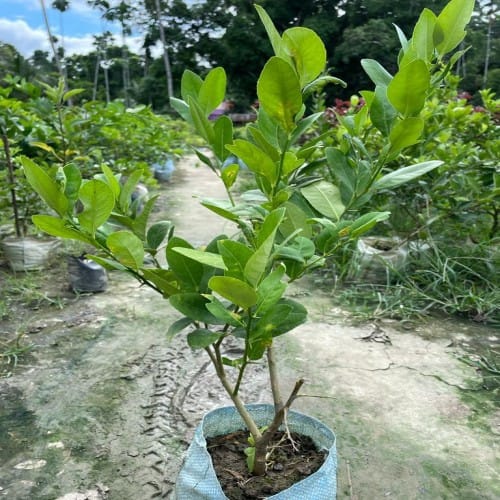
- Type: Air Layering/Grafted Plant/Tree. This method is known to lead to faster establishment and an earlier first harvest compared to seed-grown plants.
- Size: 1-2 Feet Height (Each Plant).
- Suitability: Both varieties are robust and adaptable, thriving in most Indian climates and soil types.
The Fruit: A Zesty Duo
This combination provides lemons with distinct characteristics, perfect for diverse culinary and refreshing needs:
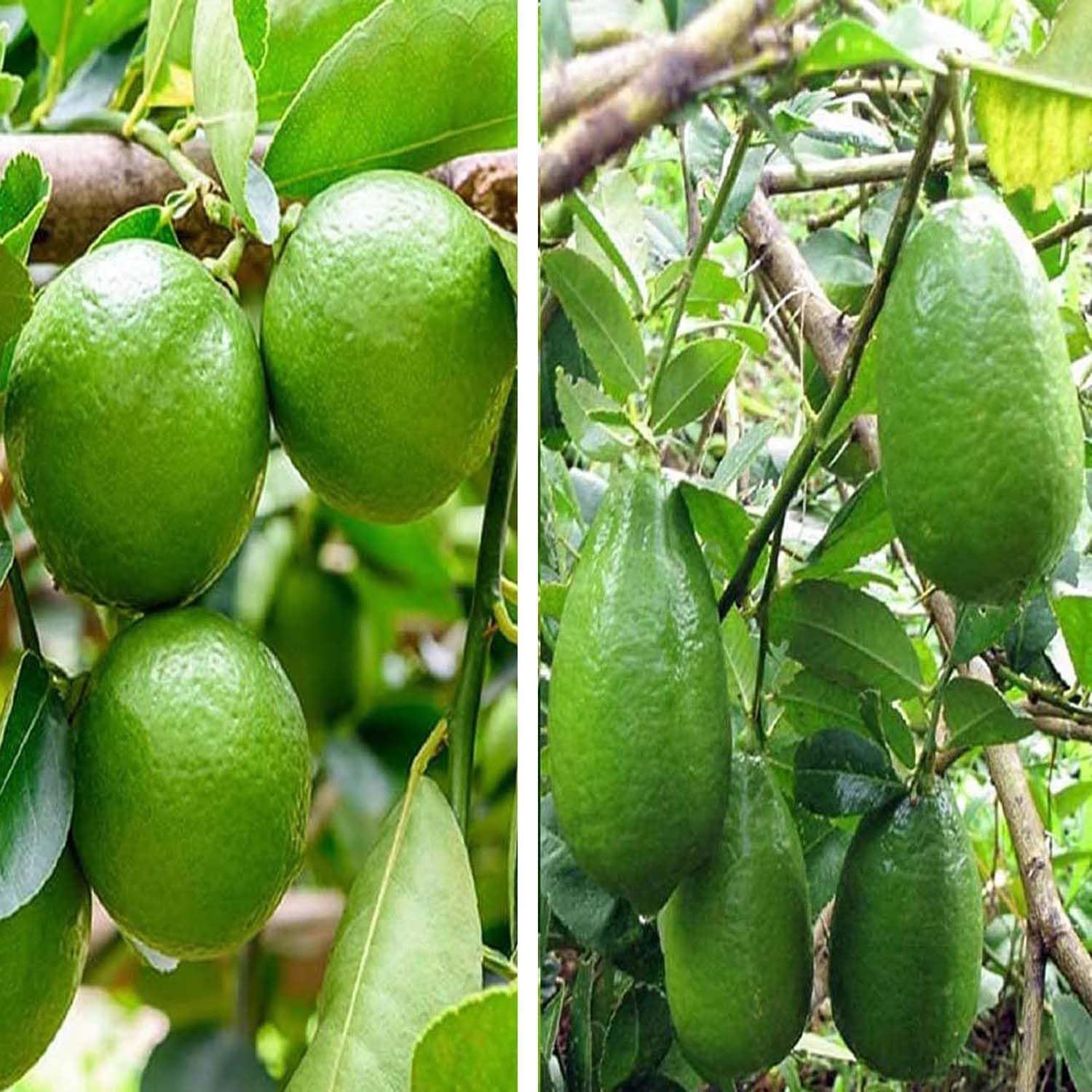
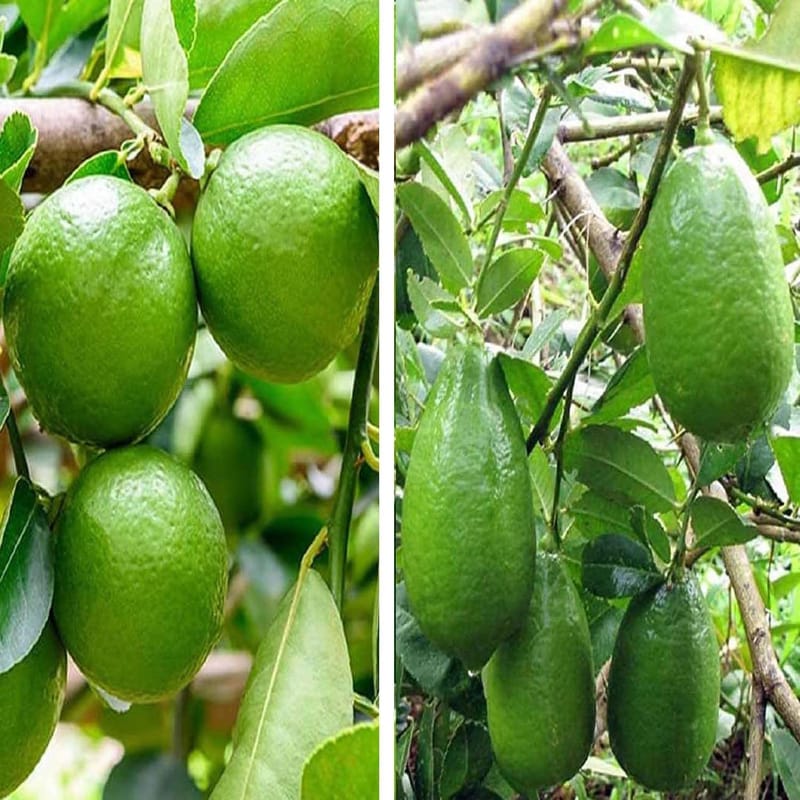
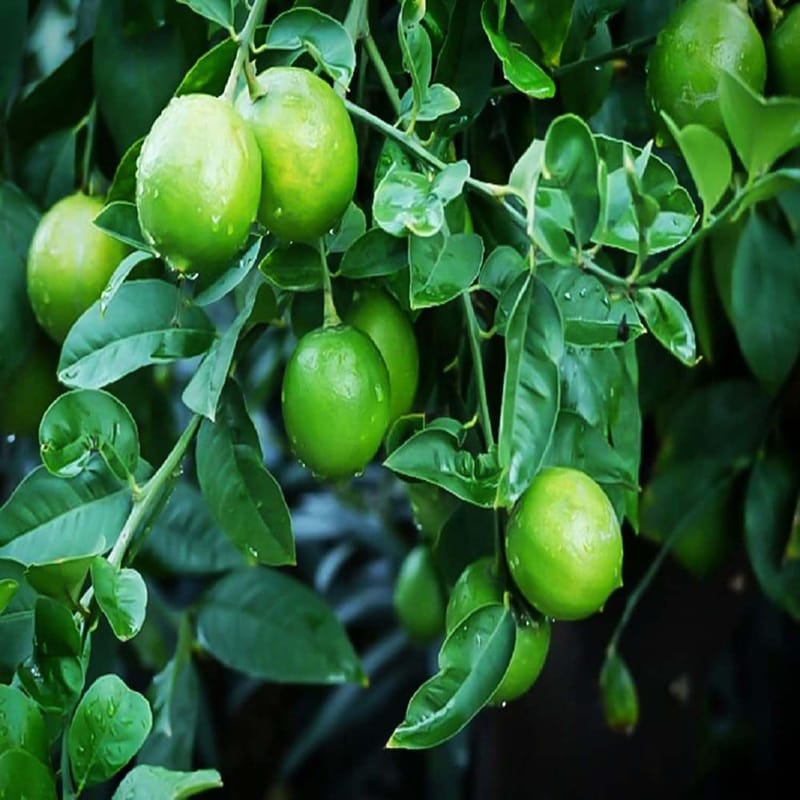
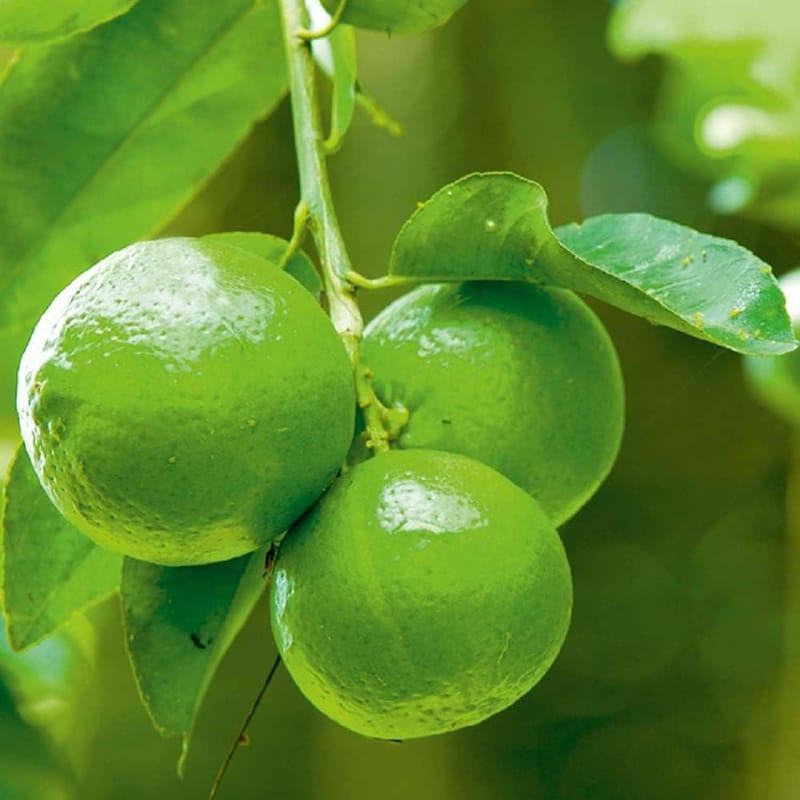
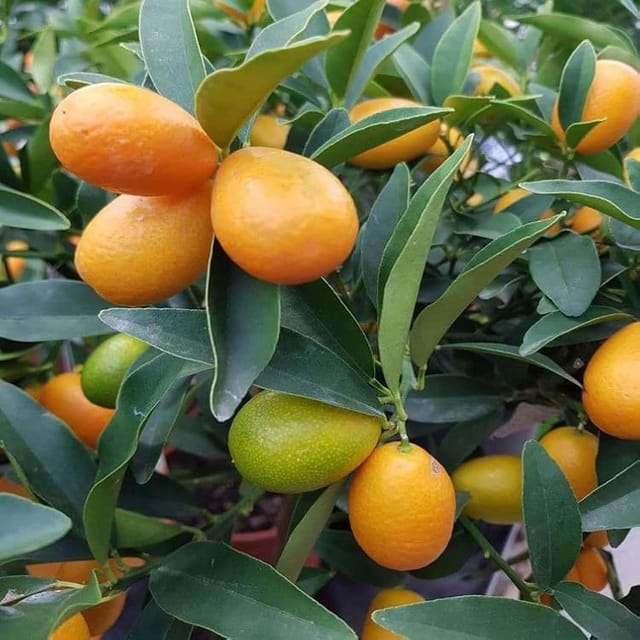
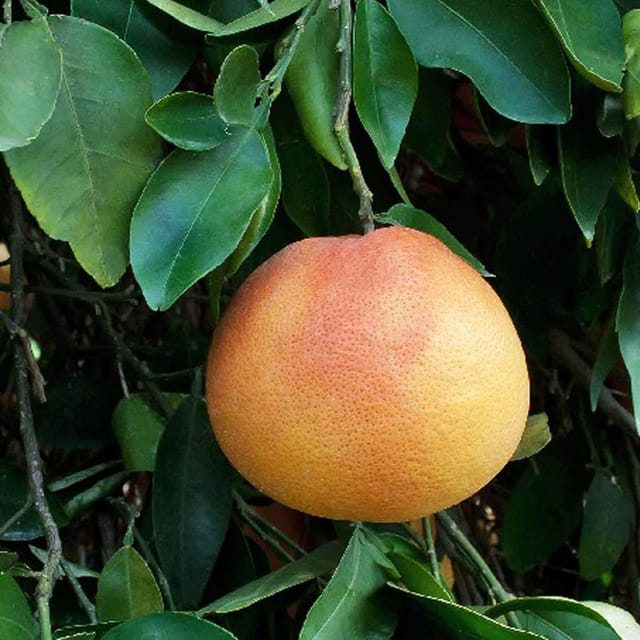
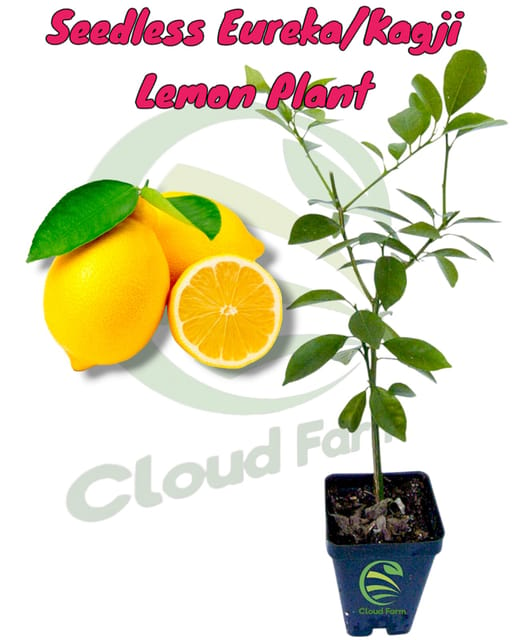
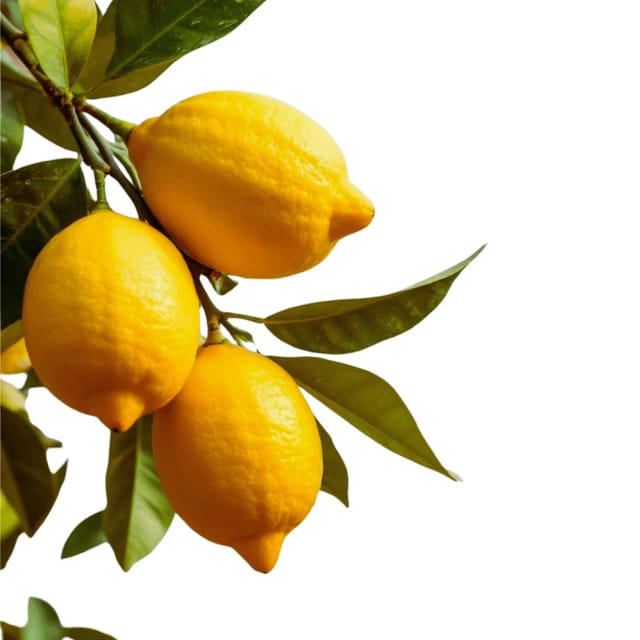
- Thai Patti Lemon: Also known as Kagzi Lemon, this variety is typically small to medium-sized, round, and prized for its thin skin and high juice content. it offers a sharp, quintessential tangy flavor and is extensively used for beverages, pickles, and seasoning.
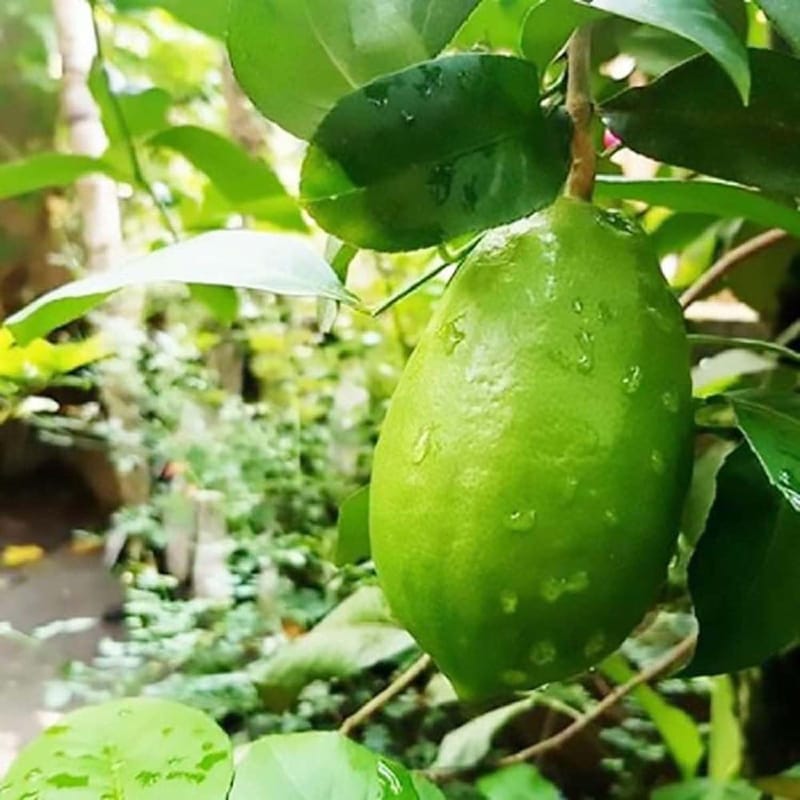
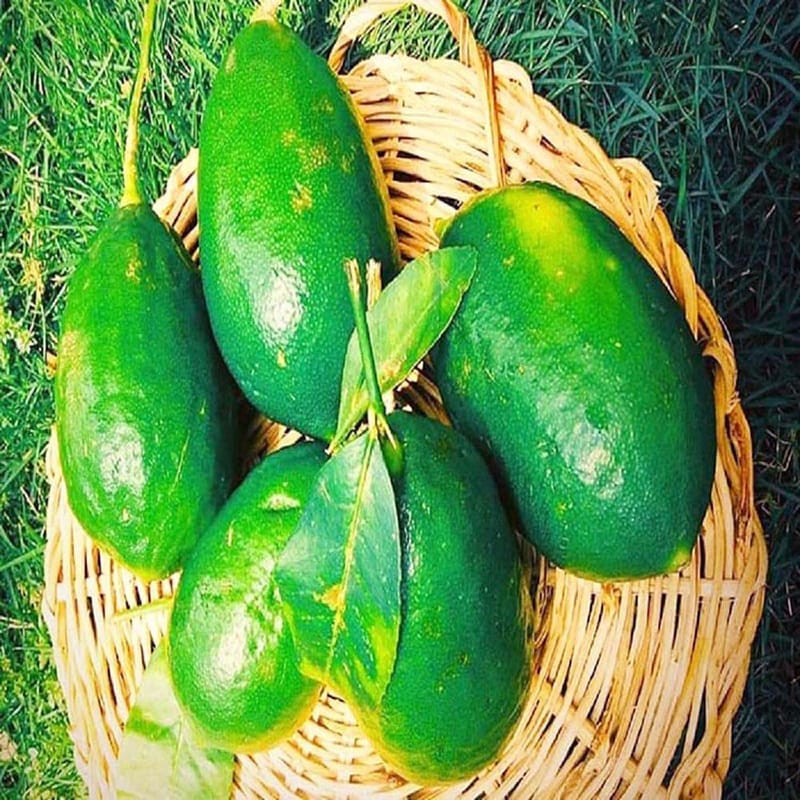
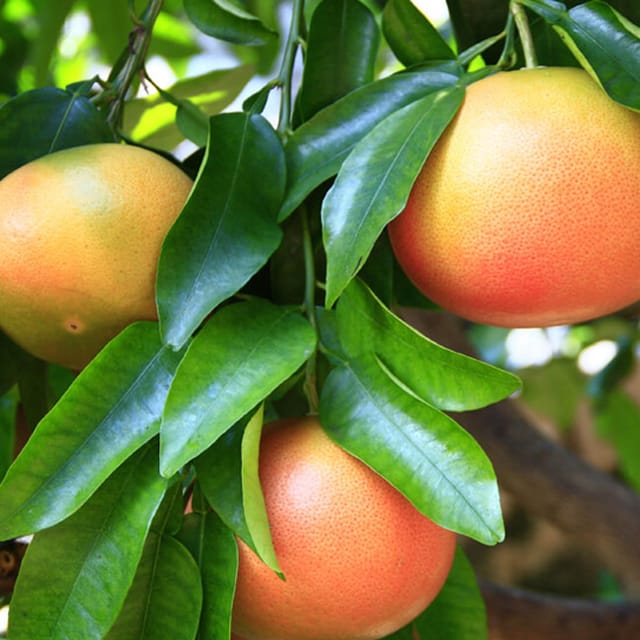
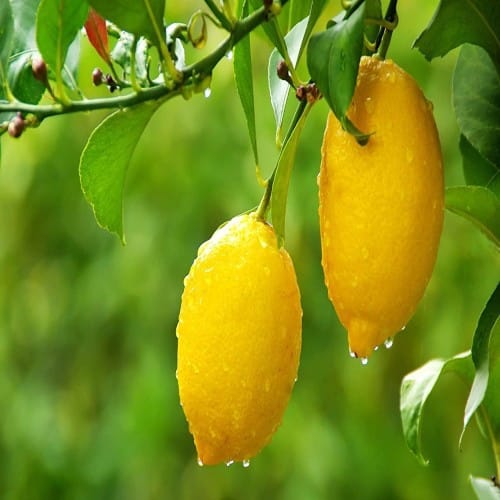
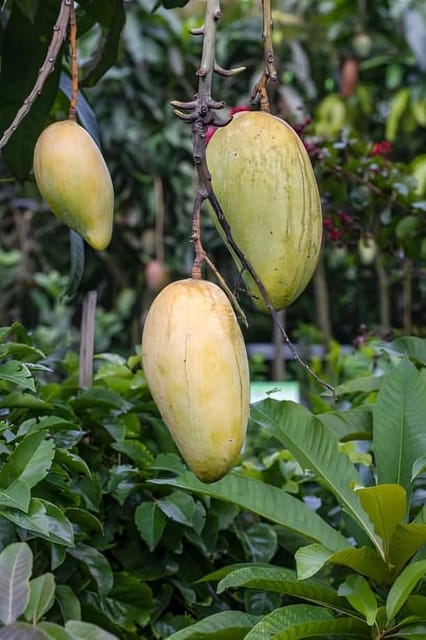
- Gandharaj Lemon: A highly aromatic variety, the Gandharaj lemon is oblong-shaped and often larger. It is celebrated for its powerful, distinct, and sweet fragrance, making it a favorite for garnishing, flavoring rice dishes, and preparing refreshing drinks.
Essential Care Guide for Indian Climates
Sunlight and Climate Needs
Lemon plants thrive in bright conditions, a prerequisite for healthy growth and prolific fruit production.
- Sunlight: Requires full and direct sunlight (at least 6 hours a day) for optimal growth. It can tolerate some partial sun but fruit yield may be reduced.
- Air Circulation: Ensure the planting location or pot allows for good air movement around the foliage.
Watering and Soil
Proper soil and irrigation are key to a healthy citrus plant.
- Soil: Plant in well-draining, moderately fertile soil. A slightly acidic to neutral pH is preferred. Avoid heavy clay or waterlogged soils.
- Watering: Water thoroughly when the top inch of the soil feels dry. Reduce watering during the dormant or cooler months, and ensure pots have drainage holes to prevent root rot.
- Fertilization: Use a citrus-specific or balanced fertilizer, especially during the spring and summer growing seasons, following product instructions for dosage.
The secure paper core packing method used for shipping ensures the plants are protected and well-ventilated during transit, ensuring you receive healthy, genuine variety plants.

Customer Review
Be the first to review this product