SellerWelcome to Paudhewale, India’s largest online marketplace dedicated entirely to gardening. Why limit your choices? We connect you with trusted, verified sellers nationwide to provide the widest variety of indoor and outdoor plants, exotic bonsai, and authentic grafted varieties. Explore thousands of products across every gardening category, from heavy-duty tools and organic soil mixes to decorative pots and seasonal bulbs. Enjoy the convenience of finding exactly what you need at the best prices, backed by safe, pan-India delivery. Buy plants online and build your dream garden today.https://seller.paudhewale.com/s/660a356584d1ac2391ae69de/69fc2a4a74e0f5685ffe6316/gemini_generated_image_xztyckxztyckxzty-480x480.png
Agam Kuan800007PatnaIN
Seller
Agam KuanPatna, IN
+917969513372https://seller.paudhewale.com/s/660a356584d1ac2391ae69de/69fc2a4a74e0f5685ffe6316/gemini_generated_image_xztyckxztyckxzty-480x480.png"[email protected]
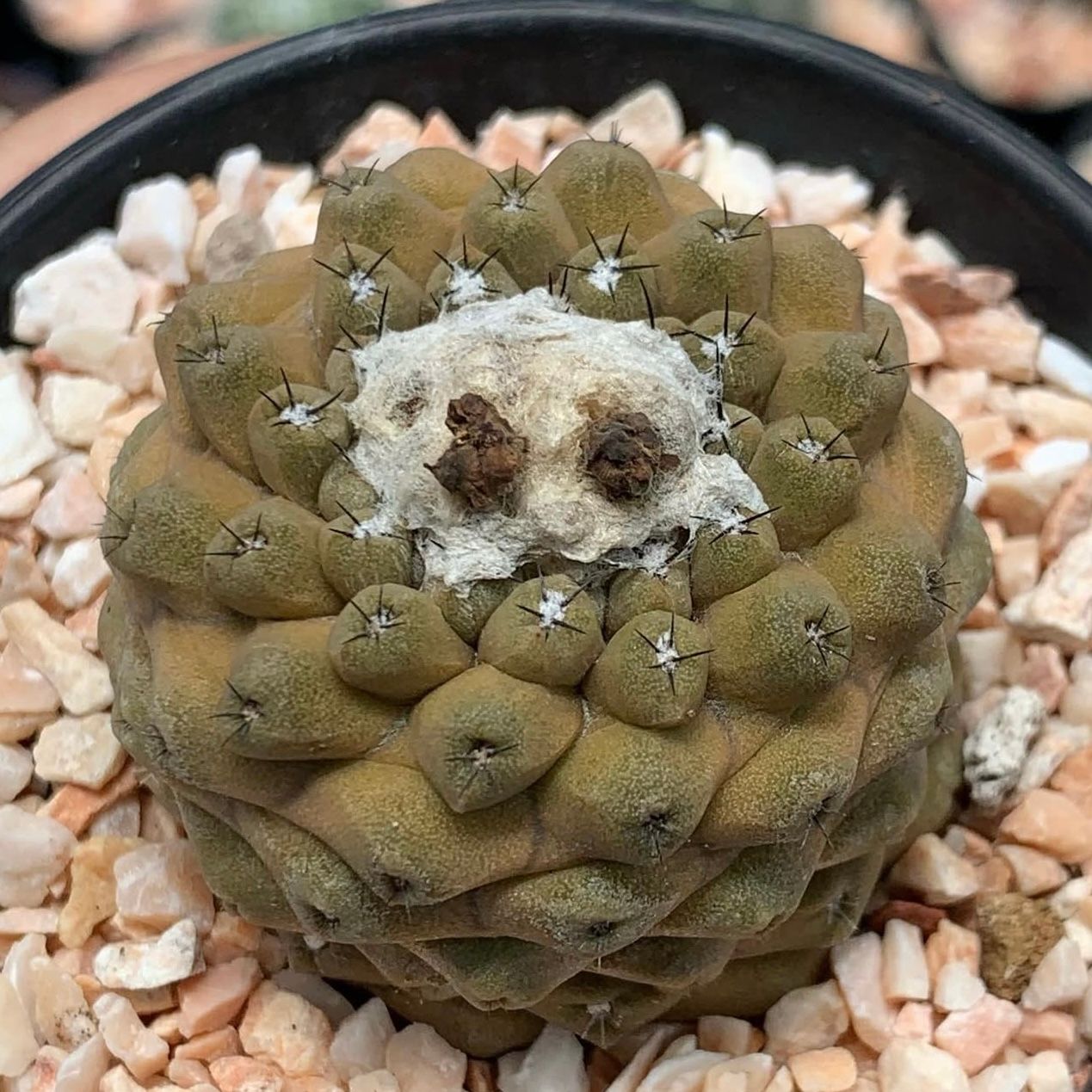
69bc2cfb5bd3f29ea92ca7d0Copiapoa Hypogaea Lizard Skin-Evergreen NurseryCopiapoa Hypogaea Lizard Skin-Evergreen Nursery

Copiapoa hypogaea is a fascinating choice, often nicknamed the "Underground Copiapoa" or "Lizard Skin" cactus. It is native to the coastal deserts of northern Chile, specifically near Chañaral in the Atacama Desert.  

Here is a breakdown of what makes this species unique:

Key Characteristics

Geophytic Growth: In the wild, this cactus grows almost entirely flush with the ground or slightly submerged. The name hypogaea literally means "underground."

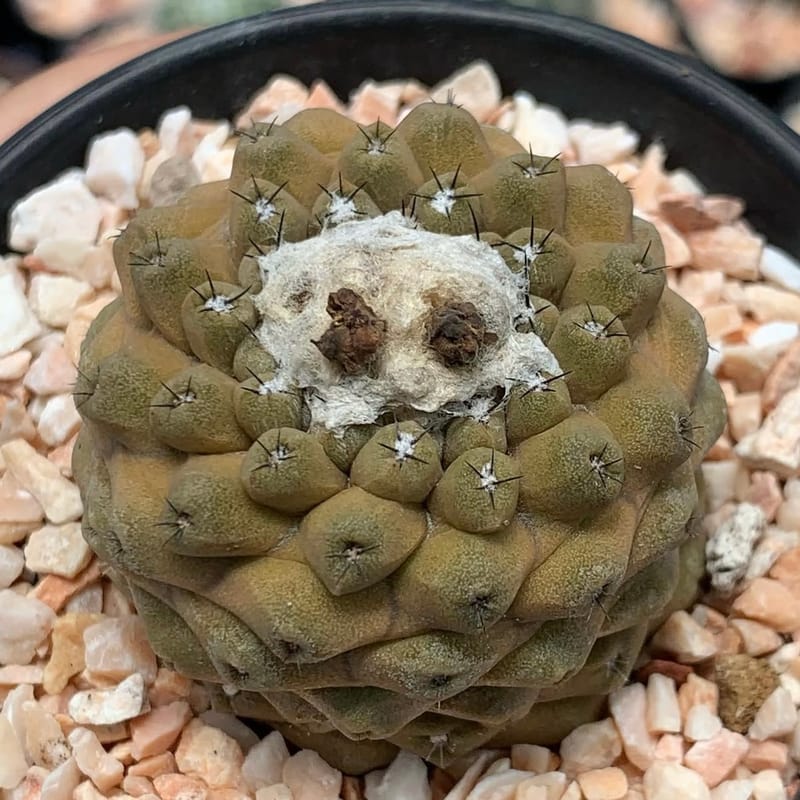
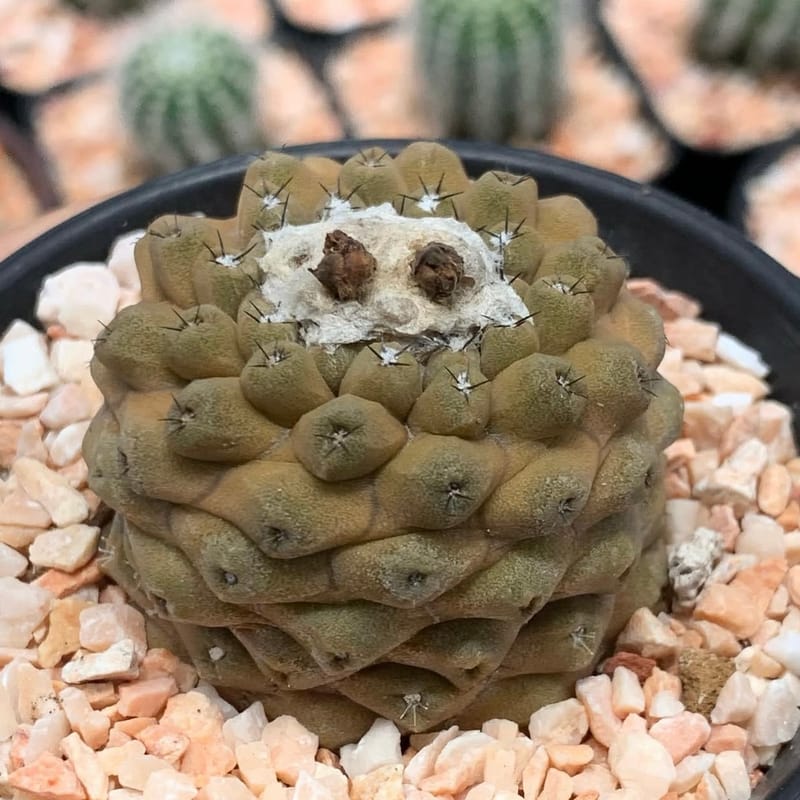
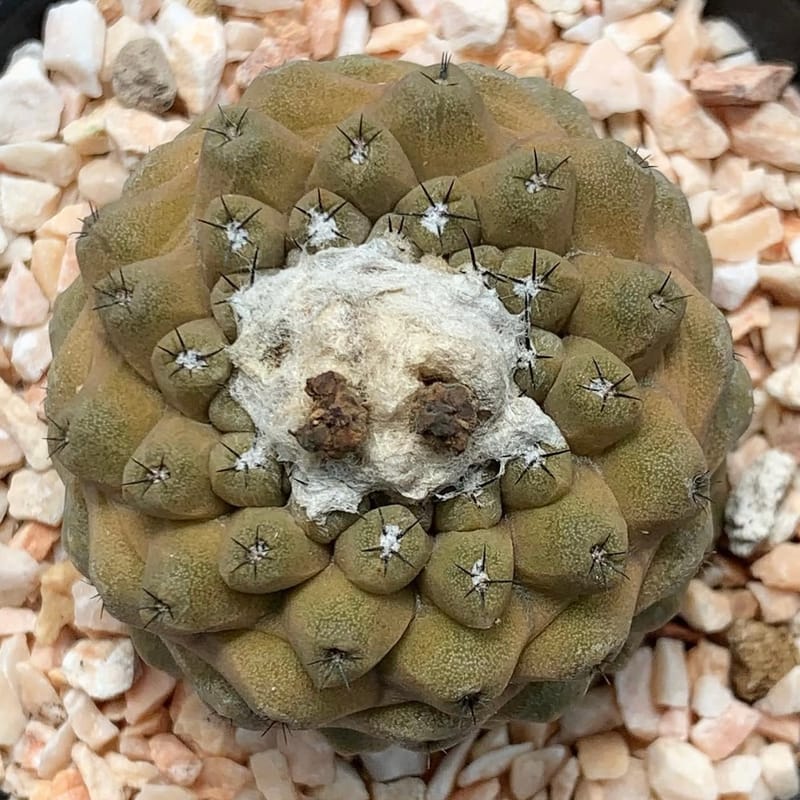
Distinctive Skin: The epidermis has a leathery, bronze-to-greyish-brown texture that resembles reptile skin. It usually lacks the heavy white farina (wax) found on other Copiapoa species.

Size and Shape: It is a small, globose cactus, usually reaching about 3–4 cm in diameter. While it starts solitary, it can eventually form small clusters or clumps.  

Flowers: It produces yellow, funnel-shaped flowers from the apex (top), which are surprisingly large compared to the body of the plant.  

Cultivation Tips

If you are adding this to a collection, it has some specific needs to mimic its harsh desert home:

Mineral Substrate: It requires a very gritty, fast-draining soil mix with high mineral content (pumice, lava rock, or coarse sand) and very little organic matter to prevent rot.  

Watering: It should be watered sparingly. In the wild, these plants survive primarily on coastal fog. During the growing season (spring/summer), water only when the soil is completely dry. Keep it dry in the winter.

Light: It appreciates bright, filtered light. While it loves sun, a sudden move to intense, direct afternoon sun can scorch the dark skin.  

Taproot: Like many desert specialists, it develops a thick, tuberous taproot. Because of this, it often does better in a slightly deeper pot than its top-side size would suggest.  

Popular Cultivars

There are a few variations often sought after by collectors:

1. 'Lizard Skin': A specific cultivar selected for its particularly bumpy, textured epidermis.

2. var. barquitensis: Known for being a bit more globose and having slightly different spination.

SKU-VX-DZK5NK2
INR630In Stock
Desert Habitat Garden

Copiapoa Hypogaea Lizard Skin-Evergreen Nursery

SKU : SKU-VX-DZK5NK2
Brand : Desert Habitat Garden
₹630  ( 21% OFF )

MRP ₹800 Inclusive of all taxes

COD (Cash On Delivery) Available

Delivery

Product Information

#AttributeValue
1. brandDesert Habitat Garden

Copiapoa hypogaea is a fascinating choice, often nicknamed the "Underground Copiapoa" or "Lizard Skin" cactus. It is native to the coastal deserts of northern Chile, specifically near Chañaral in the Atacama Desert.  

Here is a breakdown of what makes this species unique:

Key Characteristics

Geophytic Growth: In the wild, this cactus grows almost entirely flush with the ground or slightly submerged. The name hypogaea literally means "underground."

Distinctive Skin: The epidermis has a leathery, bronze-to-greyish-brown texture that resembles reptile skin. It usually lacks the heavy white farina (wax) found on other Copiapoa species.

Size and Shape: It is a small, globose cactus, usually reaching about 3–4 cm in diameter. While it starts solitary, it can eventually form small clusters or clumps.  

Flowers: It produces yellow, funnel-shaped flowers from the apex (top), which are surprisingly large compared to the body of the plant.  

Cultivation Tips

If you are adding this to a collection, it has some specific needs to mimic its harsh desert home:

Mineral Substrate: It requires a very gritty, fast-draining soil mix with high mineral content (pumice, lava rock, or coarse sand) and very little organic matter to prevent rot.  

Watering: It should be watered sparingly. In the wild, these plants survive primarily on coastal fog. During the growing season (spring/summer), water only when the soil is completely dry. Keep it dry in the winter.

Light: It appreciates bright, filtered light. While it loves sun, a sudden move to intense, direct afternoon sun can scorch the dark skin.  

Taproot: Like many desert specialists, it develops a thick, tuberous taproot. Because of this, it often does better in a slightly deeper pot than its top-side size would suggest.  

Popular Cultivars

There are a few variations often sought after by collectors:

1. 'Lizard Skin': A specific cultivar selected for its particularly bumpy, textured epidermis.

2. var. barquitensis: Known for being a bit more globose and having slightly different spination.

Related Products

Customer Review

Be the first to review this product
0/5
Rate this product!