
SellerWelcome to Paudhewale, India’s largest online marketplace dedicated entirely to gardening. Why limit your choices? We connect you with trusted, verified sellers nationwide to provide the widest variety of indoor and outdoor plants, exotic bonsai, and authentic grafted varieties. Explore thousands of products across every gardening category, from heavy-duty tools and organic soil mixes to decorative pots and seasonal bulbs. Enjoy the convenience of finding exactly what you need at the best prices, backed by safe, pan-India delivery. Buy plants online and build your dream garden today.https://seller.paudhewale.com/s/660a356584d1ac2391ae69de/69fc2a4a74e0f5685ffe6316/gemini_generated_image_xztyckxztyckxzty-480x480.png
Agam Kuan800007PatnaIN
Seller
Agam KuanPatna, IN
+917969513372https://seller.paudhewale.com/s/660a356584d1ac2391ae69de/69fc2a4a74e0f5685ffe6316/gemini_generated_image_xztyckxztyckxzty-480x480.png"[email protected]
6989ed3c6b4dfe083d759480Haritaki Plants & Tree(1.5-3 Feet Size) - TapobonHaritaki Plants & Tree(1.5-3 Feet Size) - Tapobon

Plants are packed and shipped by Tapobon Nursery.

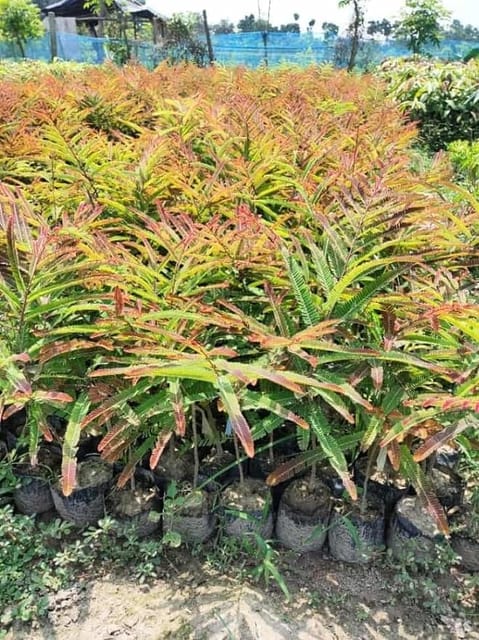
Haritaki (Chebulic Myrobalan) Plant & Tree (1.5-3 Feet Size)

Product Features and Botanical Information

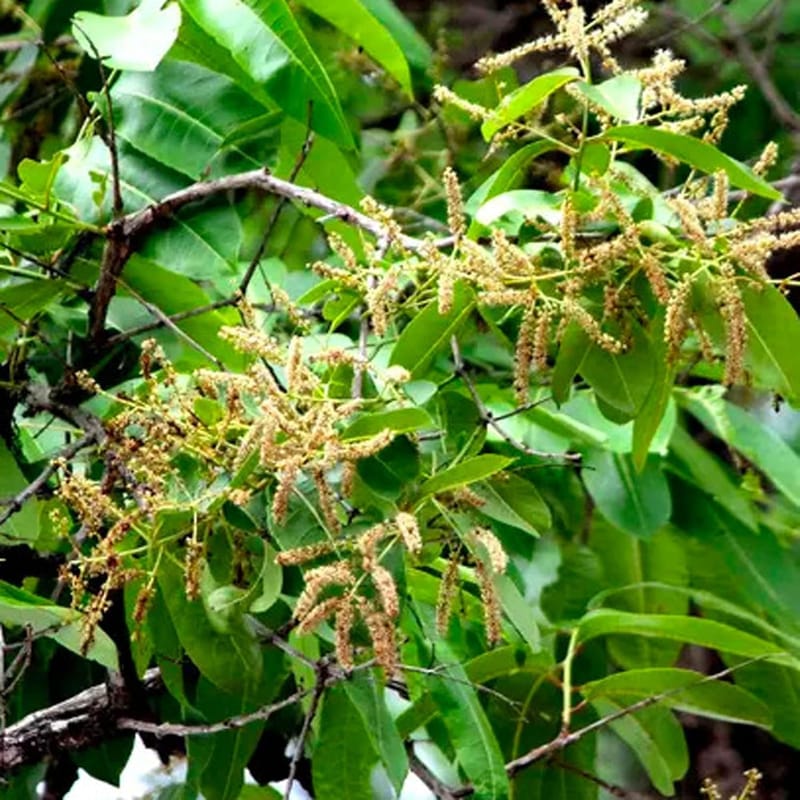
The Haritaki tree (Terminalia chebula), commonly known as Harad or Chebulic Myrobalan, is a highly valued medicinal plant in Ayurveda, often referred to as the 'King of Medicine'. It is a medium to large deciduous tree native to South Asia.

  • Botanical Name: Terminalia chebula Retz.
  • Common Names: Haritaki, Harad, Kadukkai, Black Myrobalan.
  • Type: Deciduous Tree/Plant.
  • Size: 1.5–3 Feet Height (Sapling).

The Fruit: Characteristics and Uses

The fruit of the Haritaki is the part most utilized in traditional medicine, prized for its healing and rejuvenating properties.

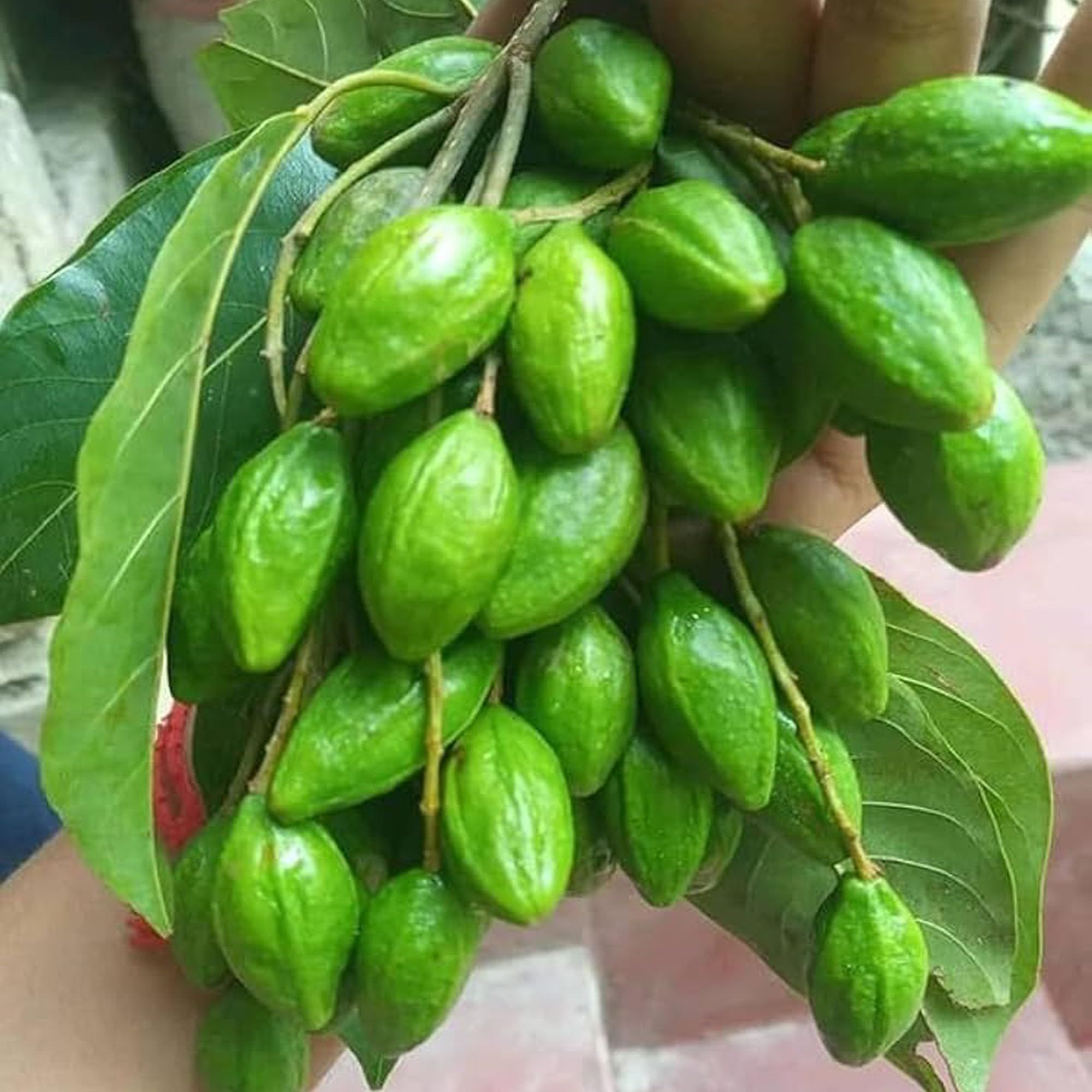
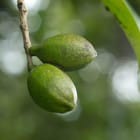
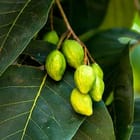
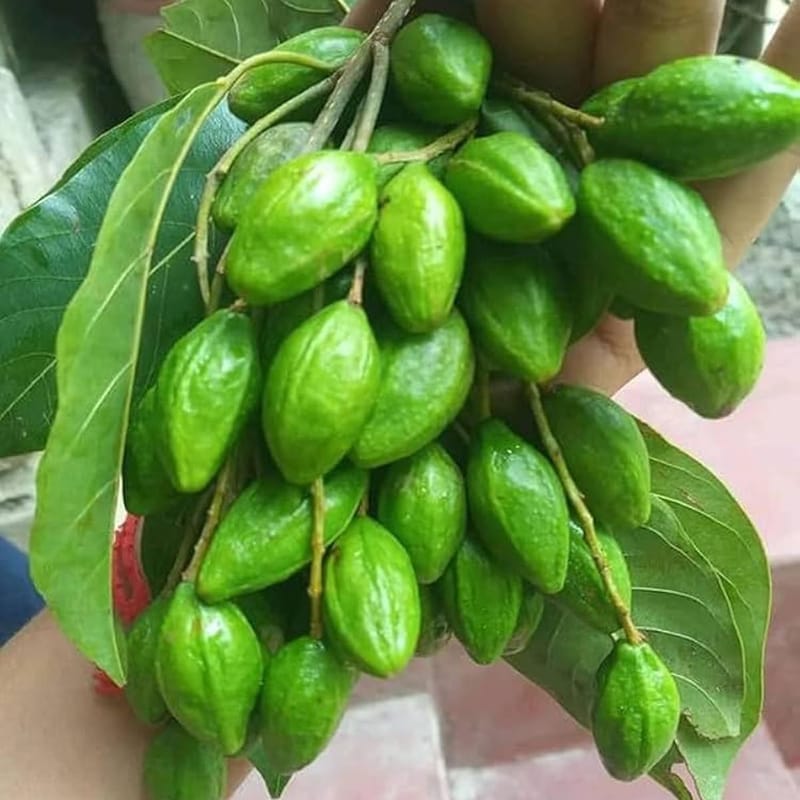
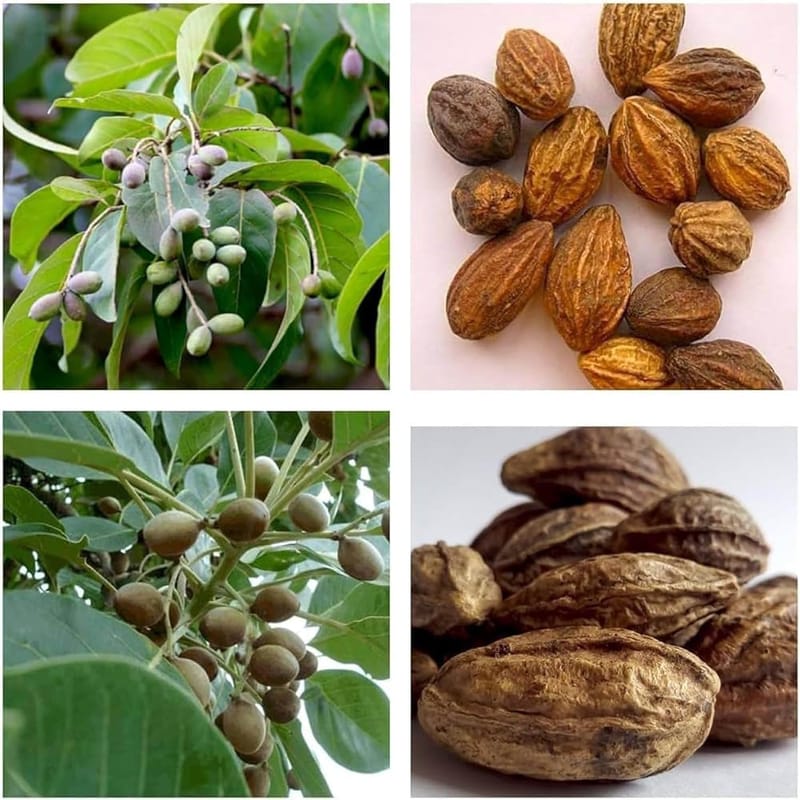
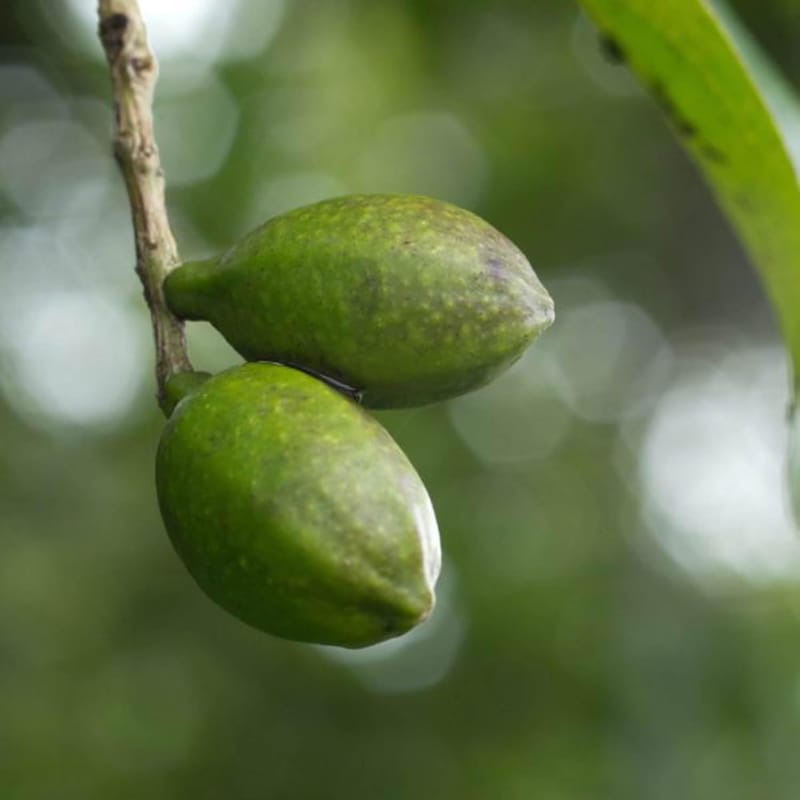
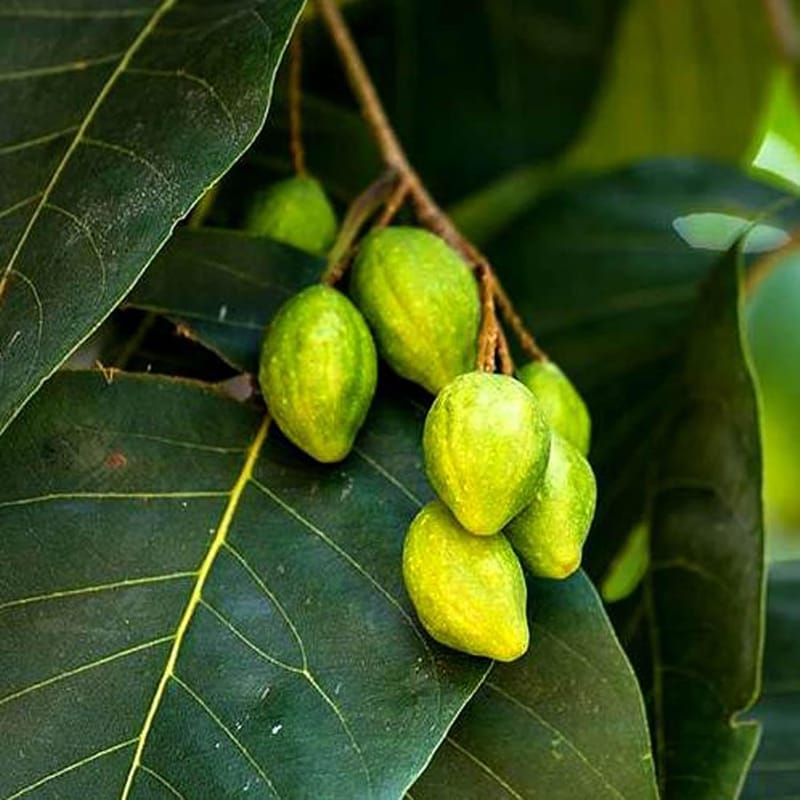
  • Description: The fruit is a small, drupe-like, ellipsoid to ovoid shape, turning from greenish-yellow to yellow or orange-brown upon ripening, and features five distinct longitudinal ridges.
  • Key Use: The dried fruit is an essential component of the renowned Ayurvedic formulation, Triphala, and is traditionally used to support digestion, immunity, and overall vitality.

Essential Care Guide for Indian Climates

The Haritaki tree is resilient and suitable for cultivation in both ground and large containers across India's diverse climates and soil types.

Sunlight and Climate Needs

  • Sunlight: Requires a location that receives full and direct sunlight (at least 6-8 hours a day) for optimal growth.
  • Suitability: Thrives in tropical and subtropical environments, including the sub-Himalayan region.

Watering and Soil

  • Soil: Prefers loose, well-draining soil, such as sandy loam, to prevent waterlogging.
  • Watering: Young plants require regular, moderate watering. Once the tree is established, it becomes highly drought-tolerant.
  • Packing: The plant is securely shipped using a paper core packing method, which ensures protection and ventilation during transit.
TAPOBON-N629
INR428In Stock
TAPOBON

Haritaki Plants & Tree(1.5-3 Feet Size) - Tapobon

SKU : TAPOBON-N629
Brand : TAPOBON
Sold By : TAPOBON
₹428  ( 57% OFF )

MRP ₹997 Inclusive of all taxes

50 item left in Stock

Features

  • The fruit is a small, drupe-like ovoid with five distinct longitudinal ridges, ripening to a yellow or orange-brown color.
  • Requires full, direct sunlight and becomes highly drought-tolerant once established.
  • Using a secure paper core packing method for shipping plants.which help ventilating the plant during transit.

COD (Cash On Delivery) Available

Delivery

Product Information

#AttributeValue
1. brandTAPOBON

Plants are packed and shipped by Tapobon Nursery.

Haritaki (Chebulic Myrobalan) Plant & Tree (1.5-3 Feet Size)

Product Features and Botanical Information

The Haritaki tree (Terminalia chebula), commonly known as Harad or Chebulic Myrobalan, is a highly valued medicinal plant in Ayurveda, often referred to as the 'King of Medicine'. It is a medium to large deciduous tree native to South Asia.

  • Botanical Name: Terminalia chebula Retz.
  • Common Names: Haritaki, Harad, Kadukkai, Black Myrobalan.
  • Type: Deciduous Tree/Plant.
  • Size: 1.5–3 Feet Height (Sapling).

The Fruit: Characteristics and Uses

The fruit of the Haritaki is the part most utilized in traditional medicine, prized for its healing and rejuvenating properties.

  • Description: The fruit is a small, drupe-like, ellipsoid to ovoid shape, turning from greenish-yellow to yellow or orange-brown upon ripening, and features five distinct longitudinal ridges.
  • Key Use: The dried fruit is an essential component of the renowned Ayurvedic formulation, Triphala, and is traditionally used to support digestion, immunity, and overall vitality.

Essential Care Guide for Indian Climates

The Haritaki tree is resilient and suitable for cultivation in both ground and large containers across India's diverse climates and soil types.

Sunlight and Climate Needs

  • Sunlight: Requires a location that receives full and direct sunlight (at least 6-8 hours a day) for optimal growth.
  • Suitability: Thrives in tropical and subtropical environments, including the sub-Himalayan region.

Watering and Soil

  • Soil: Prefers loose, well-draining soil, such as sandy loam, to prevent waterlogging.
  • Watering: Young plants require regular, moderate watering. Once the tree is established, it becomes highly drought-tolerant.
  • Packing: The plant is securely shipped using a paper core packing method, which ensures protection and ventilation during transit.

Related Products

Customer Review

Be the first to review this product
0/5
Rate this product!