
Kohala Hawaii Variety Dragon Eye Longan Grafted Fruit Plants & Tree(1-2 Feet Size) - Tapobon
SKU : TAPOBON-N206
Brand : TAPOBON
Sold By : TAPOBON
₹528 ( 57% OFF )
MRP ₹1,247 Inclusive of all taxes
50 item left in Stock
Features
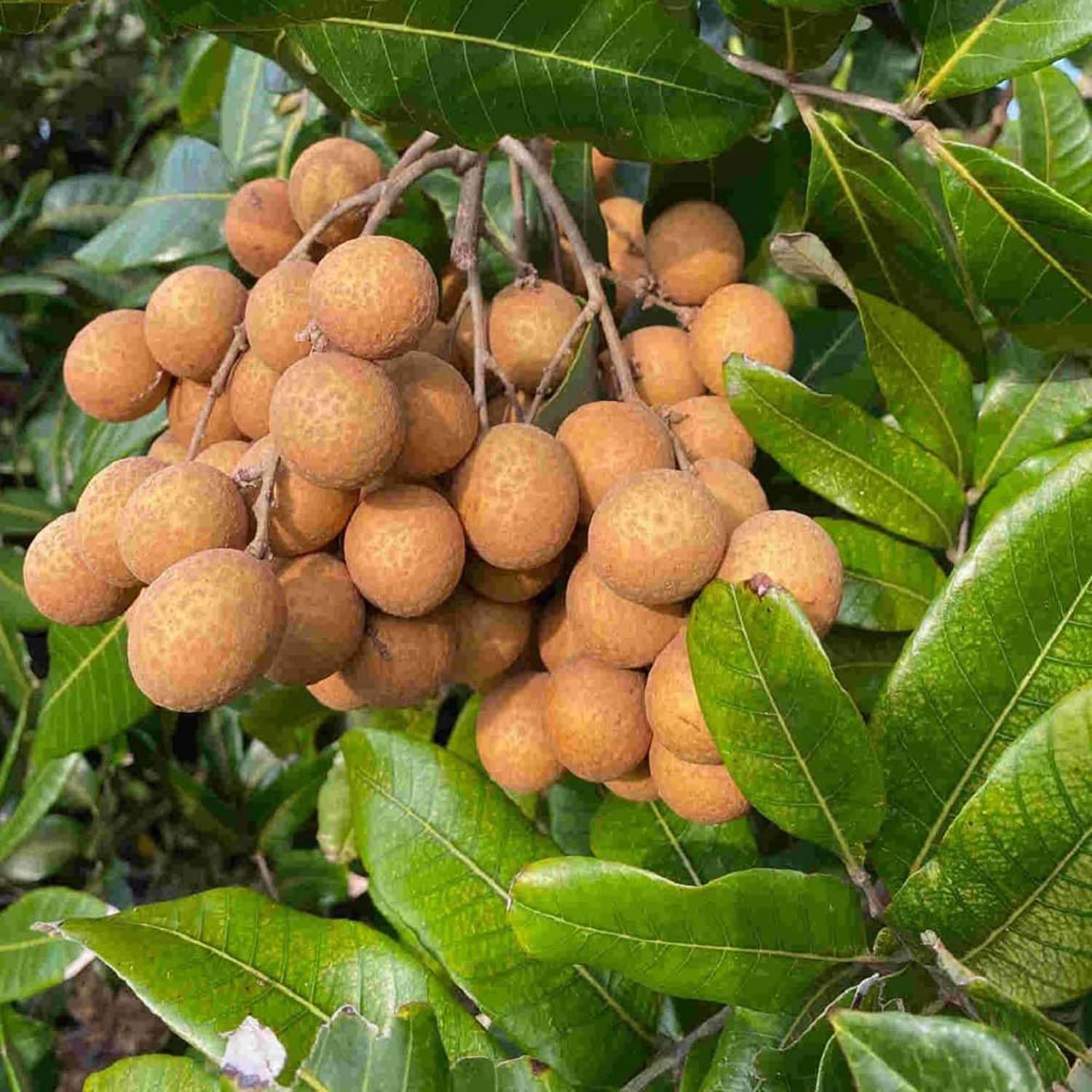
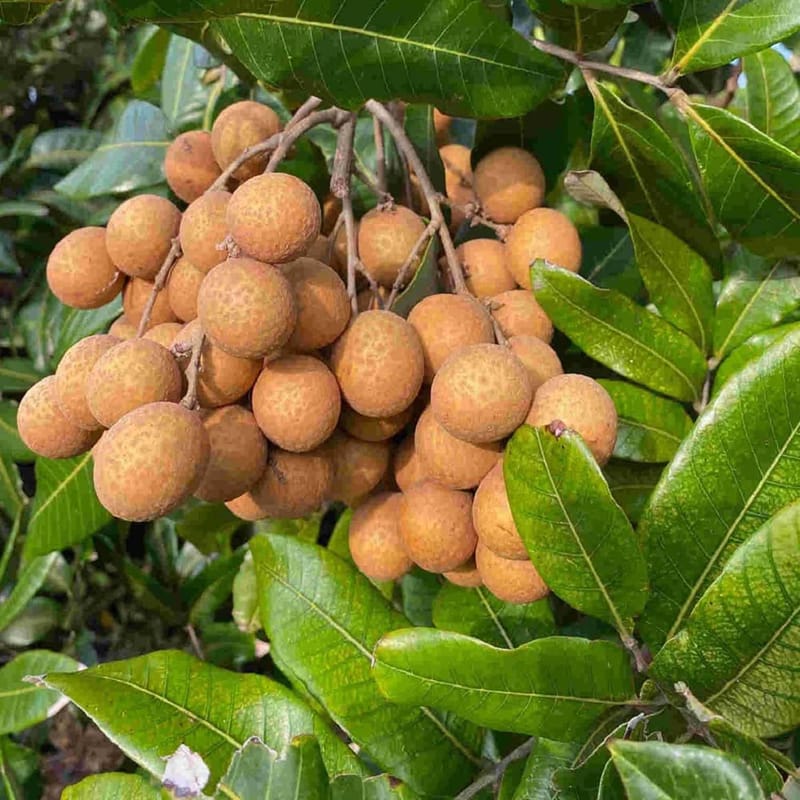
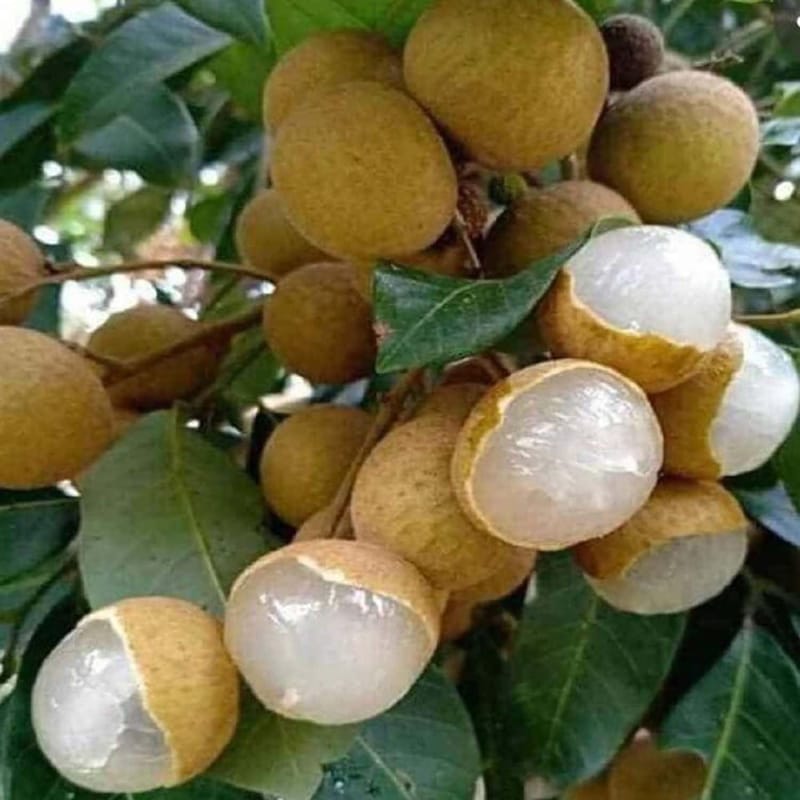
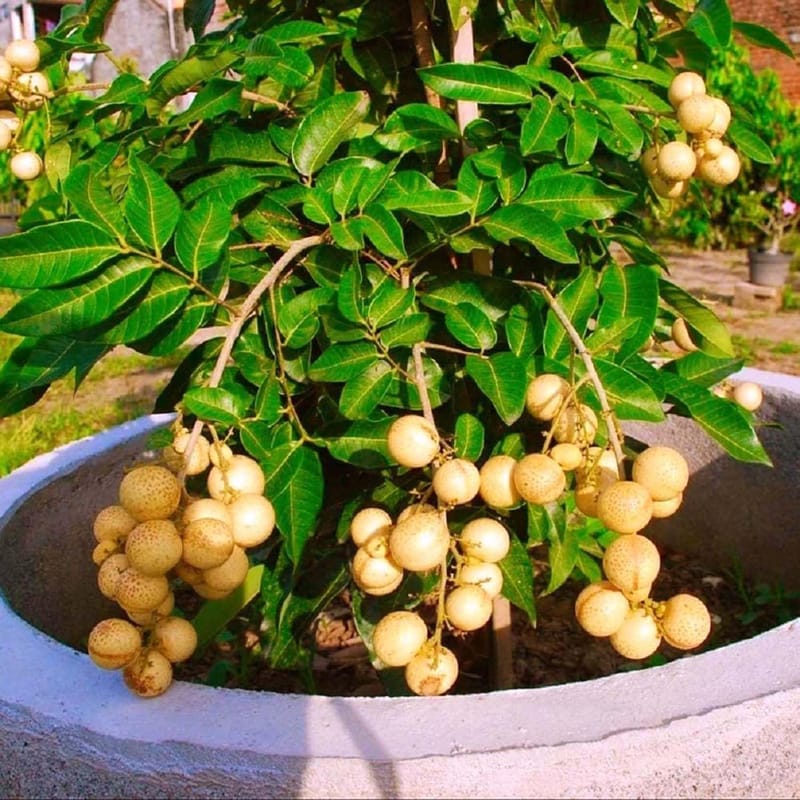
- Bears clusters of golden-brown "Dragon Eye" fruit with a translucent, juicy, grape-like flesh prized for its sweet, honey-like, and caramel undertones.
- A reliable, heat-loving tropical tree known for being more drought and cold-tolerant than the closely related lychee.
- Using a secure paper core packing method for shipping plants.which help ventilating the plant during transit.
COD (Cash On Delivery) Available
Delivery
Product Information
| # | Attribute | Value |
|---|---|---|
| 1. | brand | TAPOBON |
Plants are packed and shipped by Tapobon Nursery.
Kohala Hawaii Variety Dragon Eye Longan Grafted Fruit Plant
Product Features and Variety
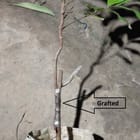
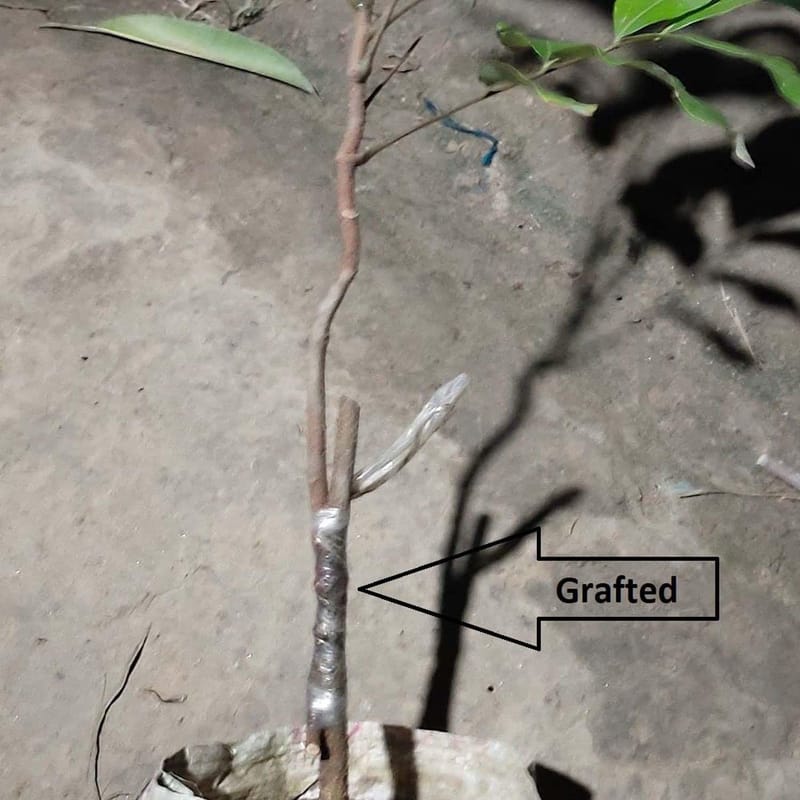
The Longan tree (Dimocarpus longan), commonly known as Dragon Eye, is a highly prized evergreen fruit tree native to Southeast Asia. This offering is a Grafted 'Kohala' Variety, a superior cultivar known for its reliability and excellent fruit quality. Grafting ensures the plant is true-to-name and promotes early fruiting, making it well-suited for cultivation in India's tropical and subtropical regions.
- Variety: 'Kohala', a sweet, high-quality, and prolific variety.
- Type: Grafted Plant/Tree. Grafted plants generally bear fruit earlier than seed-grown plants.
- Size: 1-2 Feet Height.
- Suitability: Can grow in almost all Indian climates and soil conditions. Excellent for both ground planting and container gardening.
The Fruit: Dragon Eye Longan
The Longan fruit is celebrated for its unique flavor and appearance, which is said to resemble a dragon's eye:
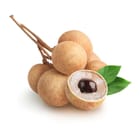
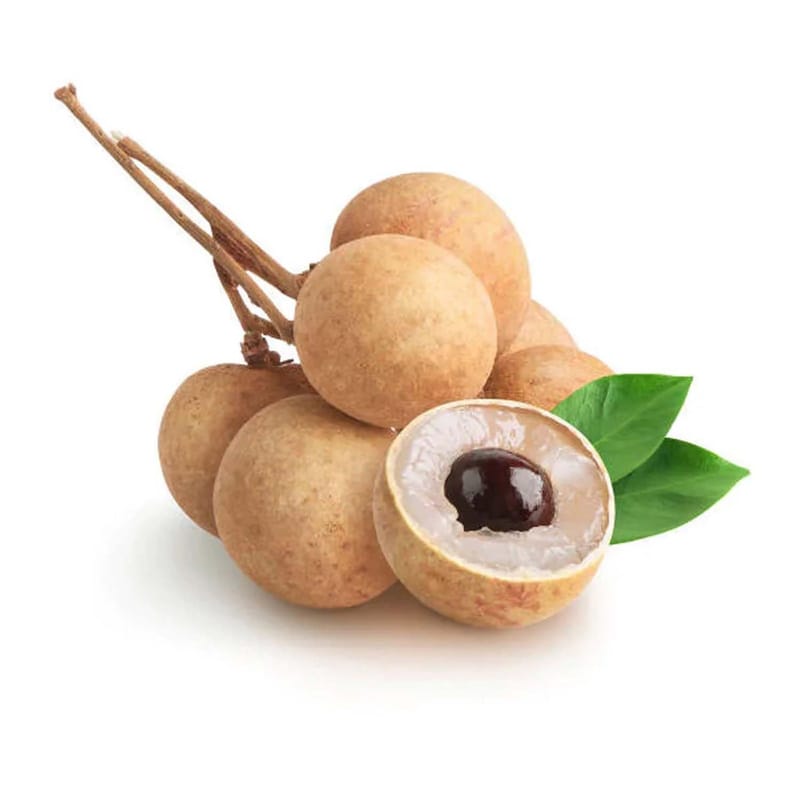
- Appearance: The fruit is small, round, and typically has a thin, smooth, tan-brown to golden-brown shell.
- Texture and Taste: It contains translucent, juicy, grape-like flesh (aril) that is sweetly aromatic, often described as having a rich, honey-like or caramel undertone.
- Culinary Use: Longans are excellent when eaten fresh, or they can be dried, canned, and incorporated into fruit salads, teas, and various desserts.
Essential Care Guide for Indian Climates
Sunlight and Climate Needs
The Longan tree thrives in warm conditions and requires ample sun exposure for best growth and fruit production.
- Sunlight: Requires full and direct sunlight (at least 6-8 hours a day) for optimal growth, flowering, and fruiting.
- Climate: Best suited for tropical and subtropical regions characterized by a warm, humid summer and a cooler, non-freezing winter period.
Watering and Soil
Longan trees are adaptable but perform best when provided with consistent moisture and excellent drainage.
- Soil: Plant in rich, fertile, well-draining, sandy loam soil. The ideal soil pH is slightly acidic, between 5.5 and 7.0.
- Watering: Water regularly and deeply to keep the soil consistently moist, particularly during the growing and fruiting seasons. However, ensure the soil never remains waterlogged to prevent root rot.
- Fertilization: Use a balanced fertilizer to support healthy foliage and fruit development, particularly during the growing season.
The secure paper core packing method used for shipping ensures the plant is protected and well-ventilated during transit, ensuring you receive a healthy, genuine variety plant.
Customer Review
Be the first to review this product