

Lantern Lanthana Hibiscus Joba Gudhal Flower Plants & Tree(1-2 Feet Size) - Tapobon
SKU : LY-4NP7-4VDS
Brand : TAPOBON
Sold By : TAPOBON
₹328 ( 56% OFF )
MRP ₹747 Inclusive of all taxes
50 item left in Stock
Features
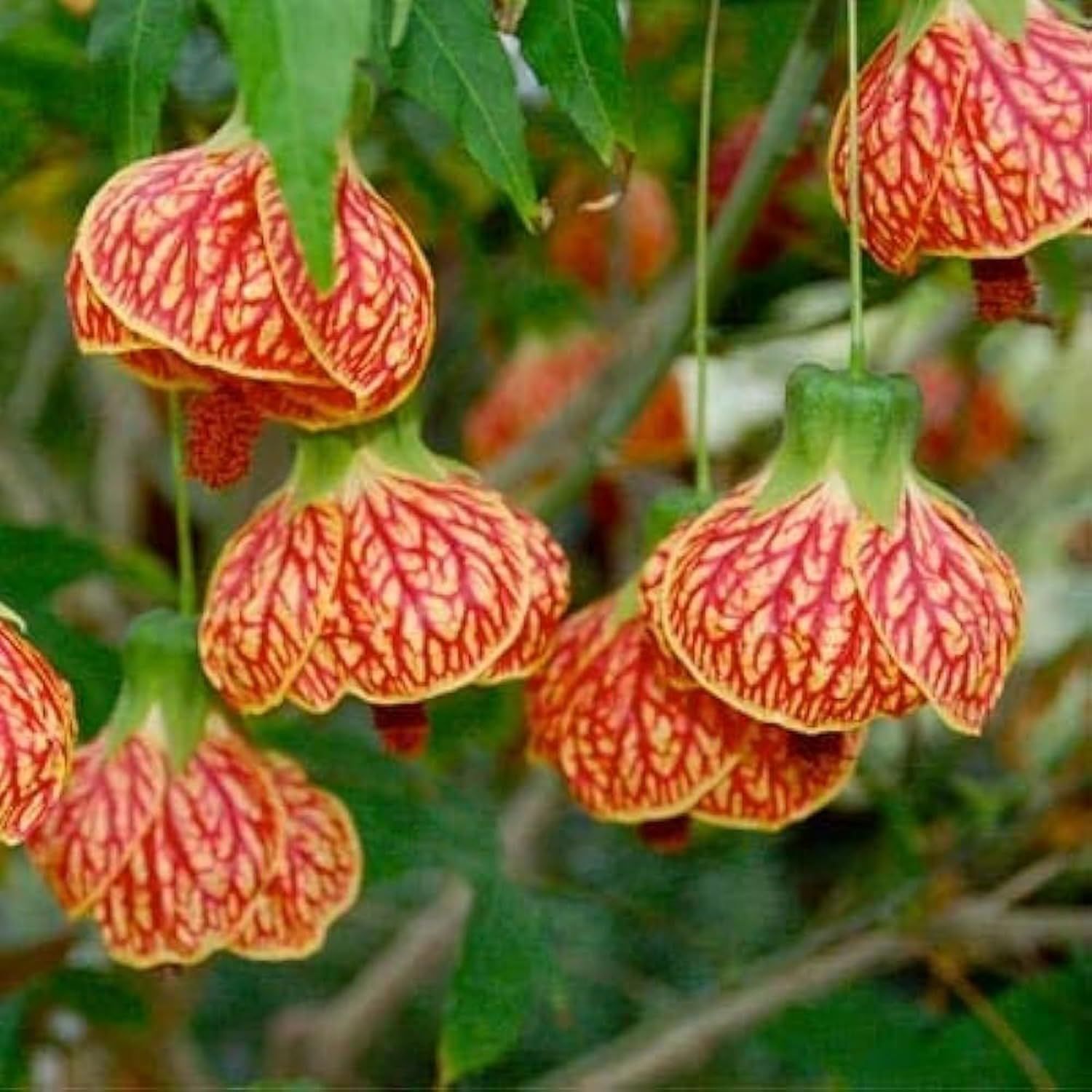
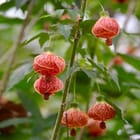
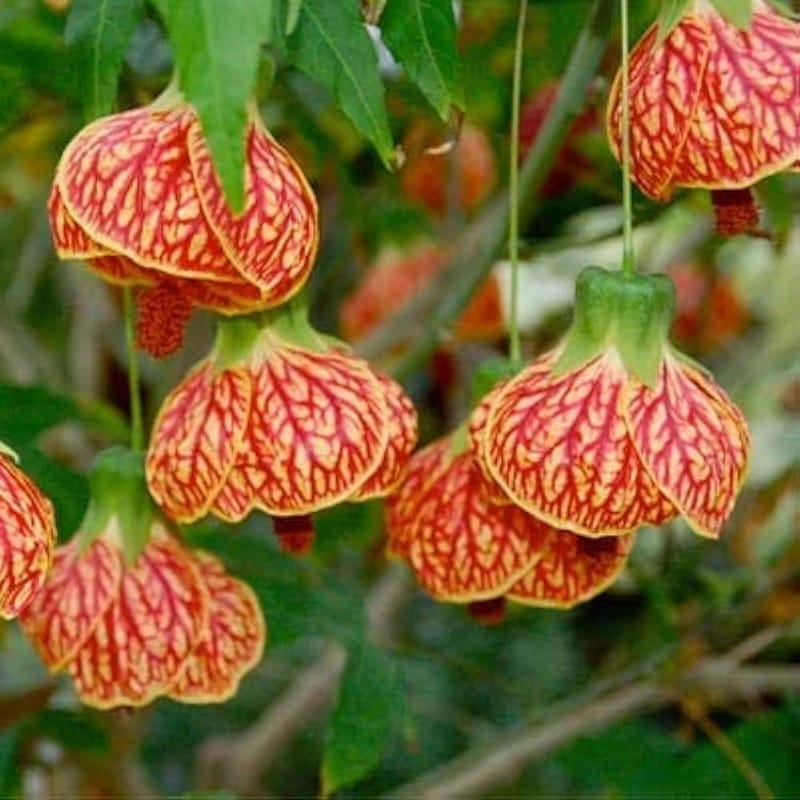
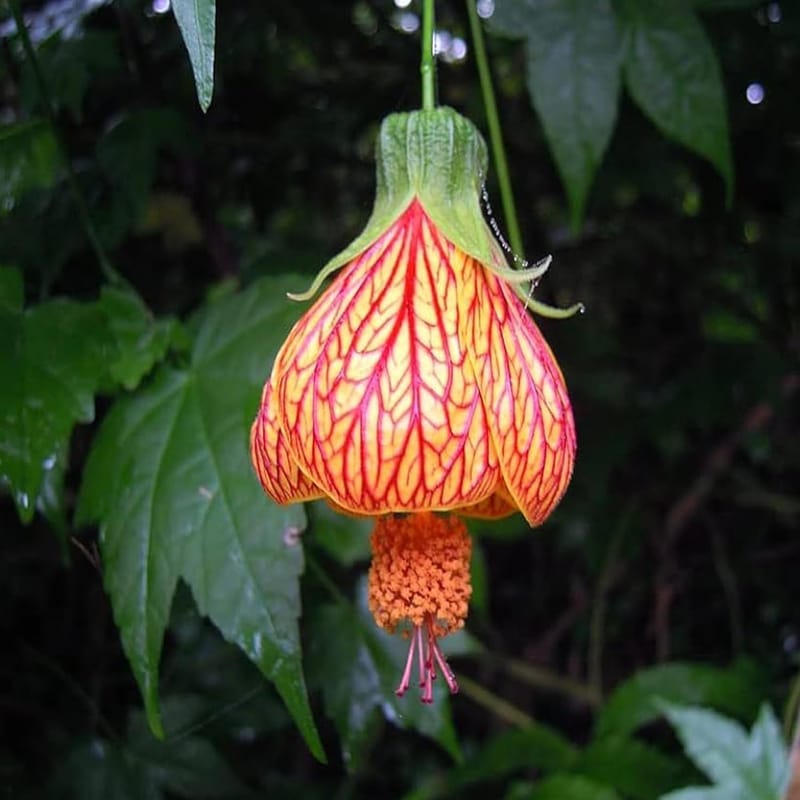
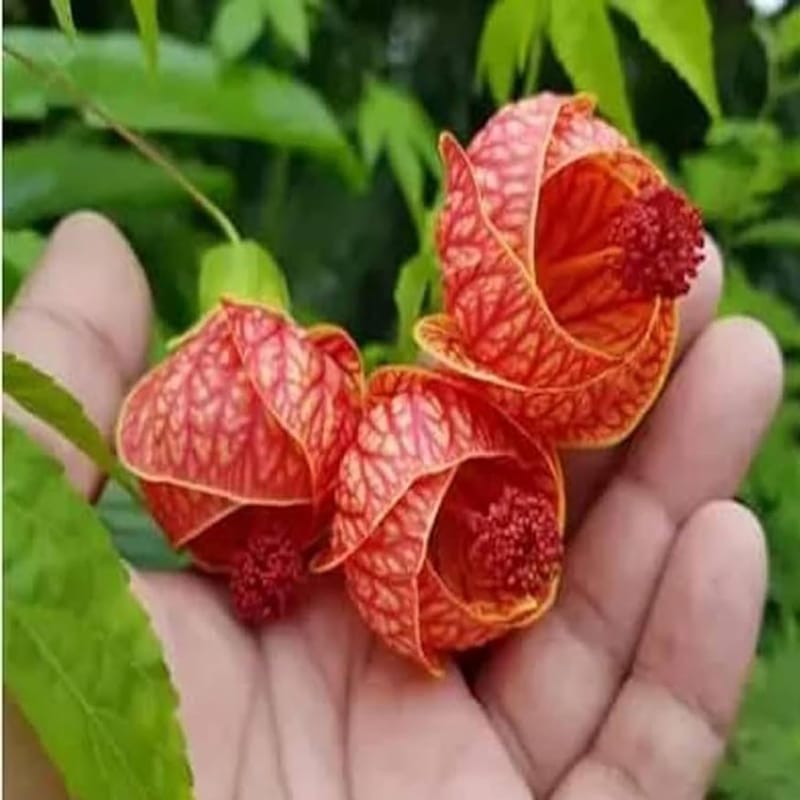
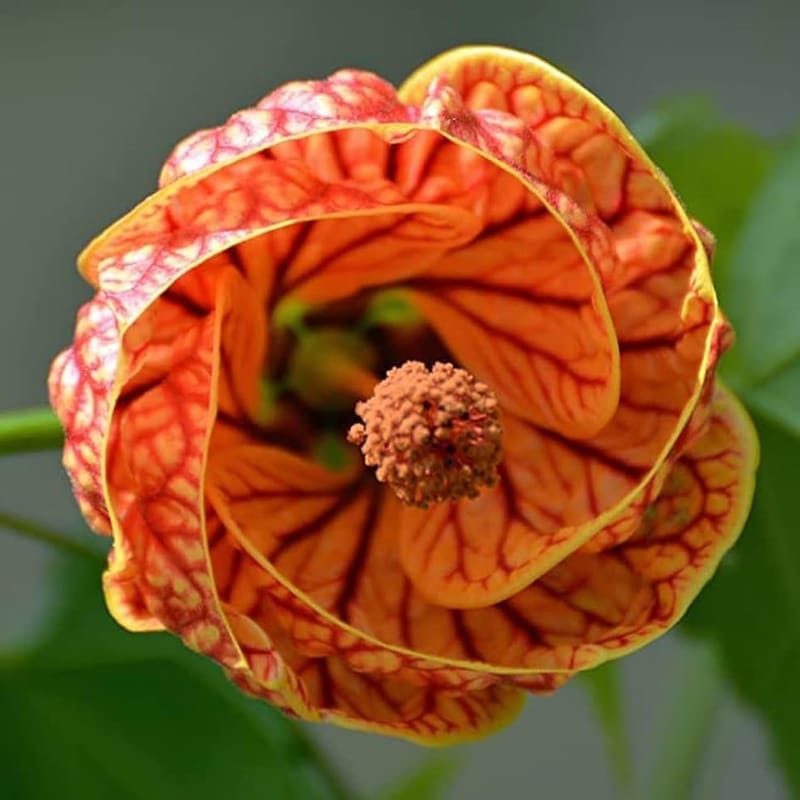
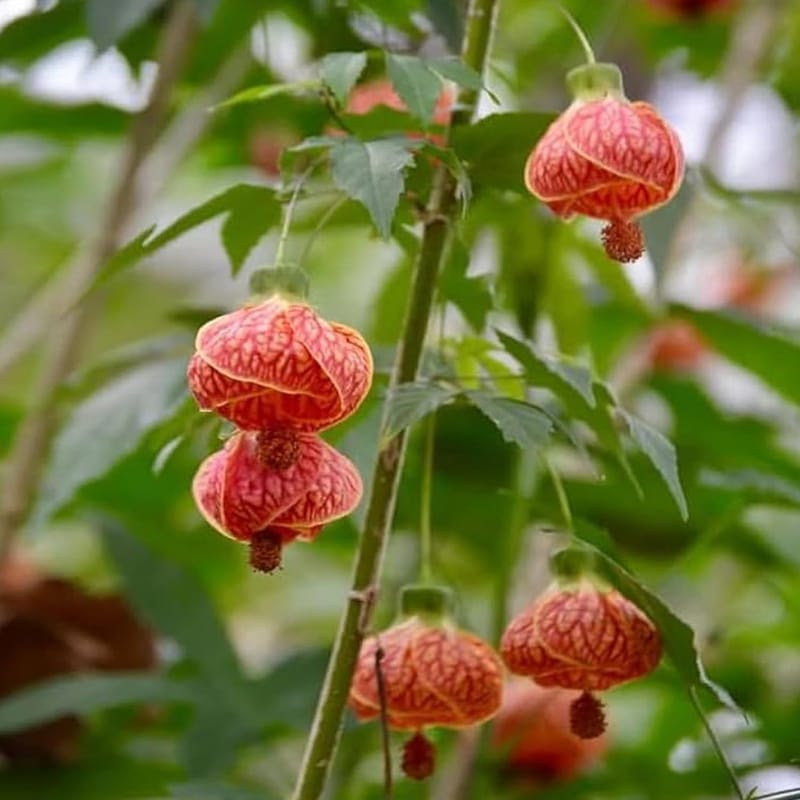
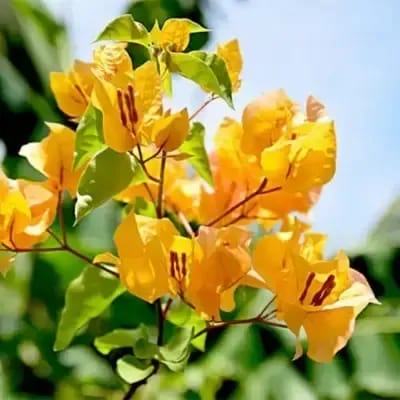
- The exotic, pendulous blooms feature deeply recurved, finely fringed petals and a prominent staminal column, creating the unique appearance of a delicate, glowing lantern.
- Requires a minimum of six hours of full and direct sunlight daily for its unique, exotic flowers to bloom prolifically.
- Using a secure paper core packing method for shipping plants.which help ventilating the plant during transit.
COD (Cash On Delivery) Available
Delivery
Product Information
| # | Attribute | Value |
|---|---|---|
| 1. | brand | TAPOBON |
Plants are packed and shipped by Tapobon Nursery.
Lantern Lanthana Hibiscus Joba Gudhal Flower Plant
Product Features and Variety
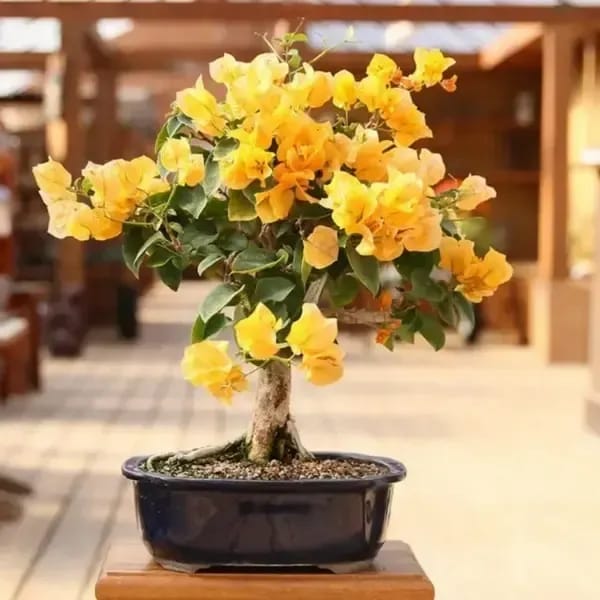
The Lantern Lanthana Hibiscus, also known as Japanese Lantern, Joba, or Gudhal, is a distinctive, sun-loving tropical shrub or climber. This offering is a Grafted Plant, which helps promote earlier flowering and ensures the plant retains the desirable characteristics of the parent variety. It is well-suited for cultivation in both gardens and containers across India's diverse climates and soil types.
- Common Names: Lantern Lanthana, Japanese Lantern, Joba, Gudhal.
- Type: Shrub or Climber Plant/Tree. The plant can be trained or maintained as a compact bush.
- Size: 1-2 Feet Height (Sapling).
- Suitability: Thrives in almost all Indian climates and soil conditions. Excellent for both ground planting and container gardening.
The Flower: A Unique Ornamental Bloom
This variety of Hibiscus is prized for its exotic and showy flowers:
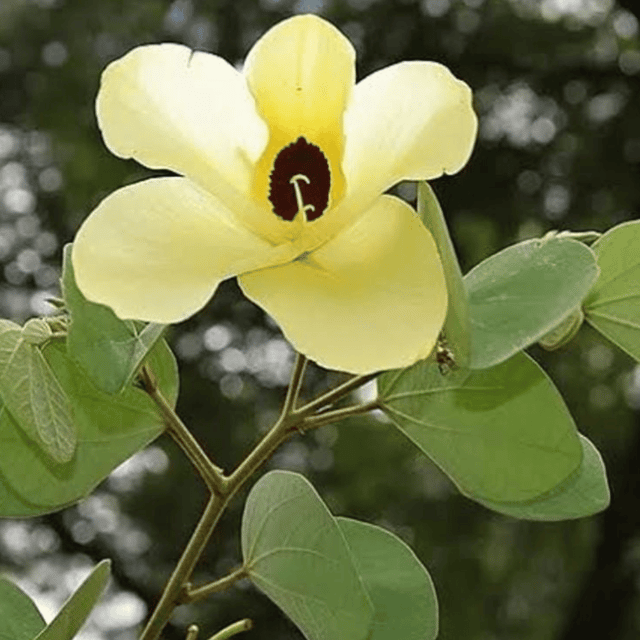
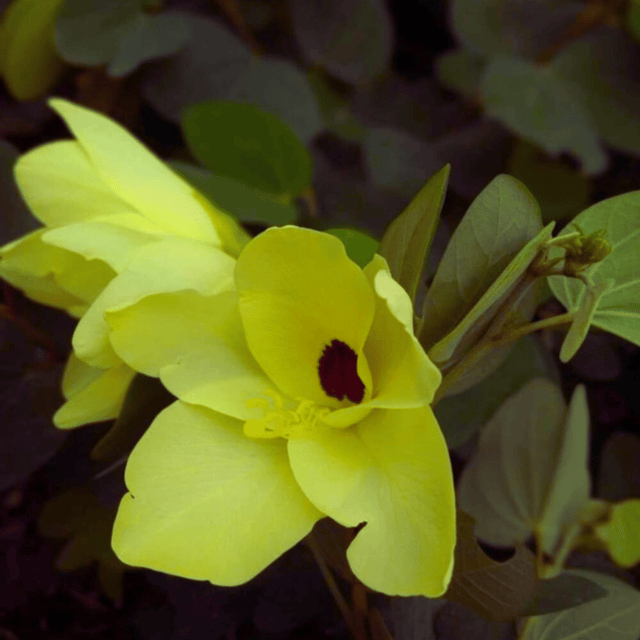
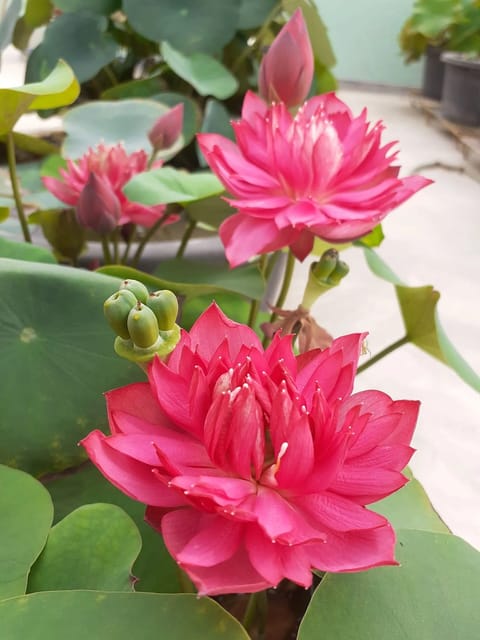
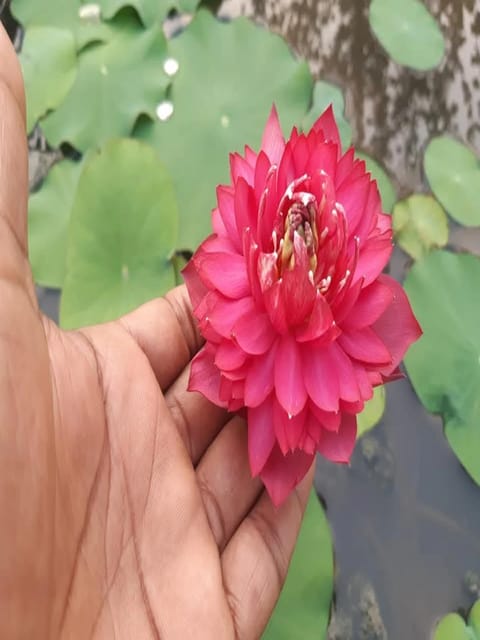
- Appearance: The blooms are highly distinctive, featuring pendulous, tubular, and deeply recurved (fringed) petals with a prominent staminal column, resembling a delicate, glowing lantern.
- Color: Typically blooms in vibrant shades of red or pink.
- Blooming: Blooms intermittently (sporadically) throughout the year under optimal conditions, offering continuous visual appeal.
- Benefits: Attracts beneficial pollinators such as bees, butterflies, and hummingbirds.
Essential Care Guide for Indian Climates
Sunlight and Climate Needs
- Sunlight: Prefers full and direct sunlight. Choose a location that receives a minimum of 6 hours of direct sun daily for optimal growth and prolific flowering. It can tolerate partial shade but will produce fewer blooms.
- Climate: As a tropical plant, it thrives in warm conditions. It is essential to protect the plant from frost and extreme cold.
Watering and Soil
- Soil: Plant in rich, moist, well-draining soil with good organic matter. Avoid heavy, compacted soils.
- Watering: Requires regular watering. The soil should be kept consistently moist but must not be waterlogged. Allow the top inch of soil to dry out completely between waterings.
- Pruning: Pruning can be done once a year to maintain a nice shape and encourage bushier growth with more branches, as flowers often form on new wood.
- Fertilization: Feed every 3-4 weeks during the main growing seasons (spring through autumn) with a balanced fertilizer to support heavy blooming.
The secure paper core packing method used for shipping ensures the plant is protected and well-ventilated during transit, guaranteeing you receive a healthy, genuine variety plant.


Customer Review
Be the first to review this product