SellerWelcome to Paudhewale, India’s largest online marketplace dedicated entirely to gardening. Why limit your choices? We connect you with trusted, verified sellers nationwide to provide the widest variety of indoor and outdoor plants, exotic bonsai, and authentic grafted varieties. Explore thousands of products across every gardening category, from heavy-duty tools and organic soil mixes to decorative pots and seasonal bulbs. Enjoy the convenience of finding exactly what you need at the best prices, backed by safe, pan-India delivery. Buy plants online and build your dream garden today.https://seller.paudhewale.com/s/660a356584d1ac2391ae69de/69fc2a4a74e0f5685ffe6316/gemini_generated_image_xztyckxztyckxzty-480x480.png
Agam Kuan800007PatnaIN
Seller
Agam KuanPatna, IN
+917969513372https://seller.paudhewale.com/s/660a356584d1ac2391ae69de/69fc2a4a74e0f5685ffe6316/gemini_generated_image_xztyckxztyckxzty-480x480.png"[email protected]
69a5b41bcd832374f1c6b693Mammillaria BocasanaMammillaria Bocasana

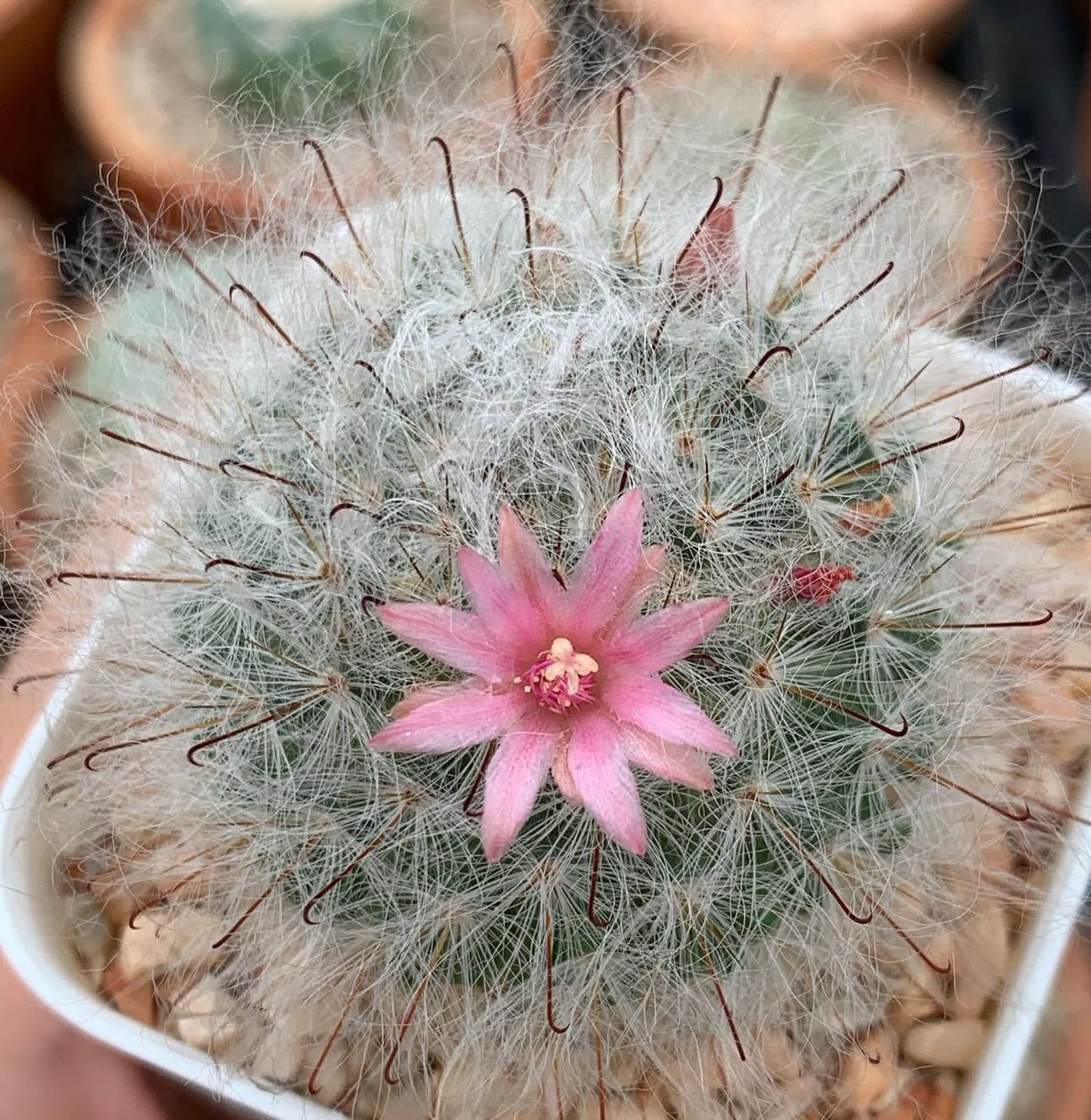
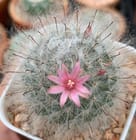
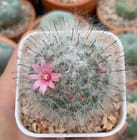
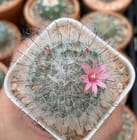
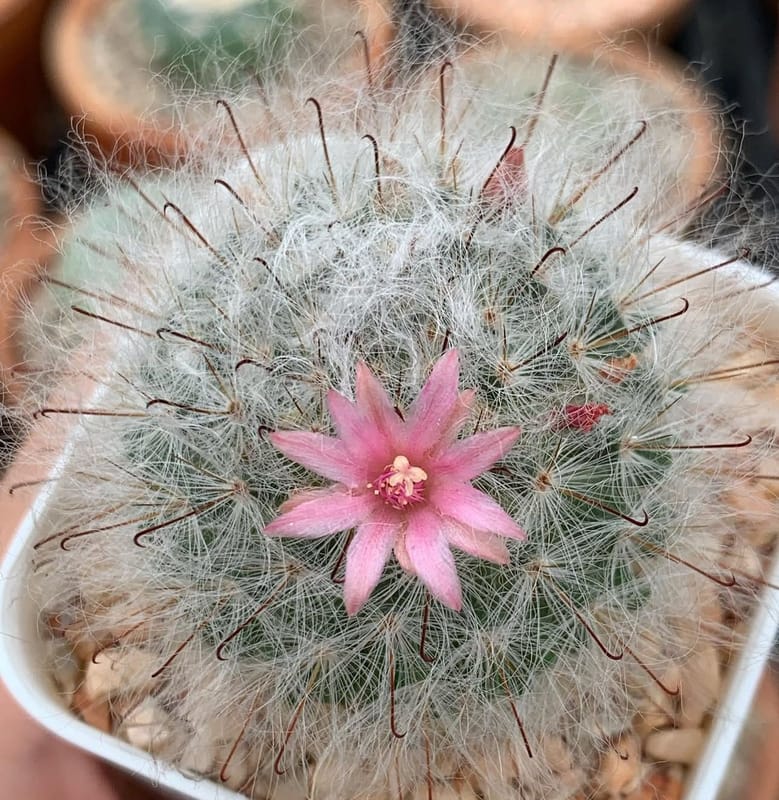
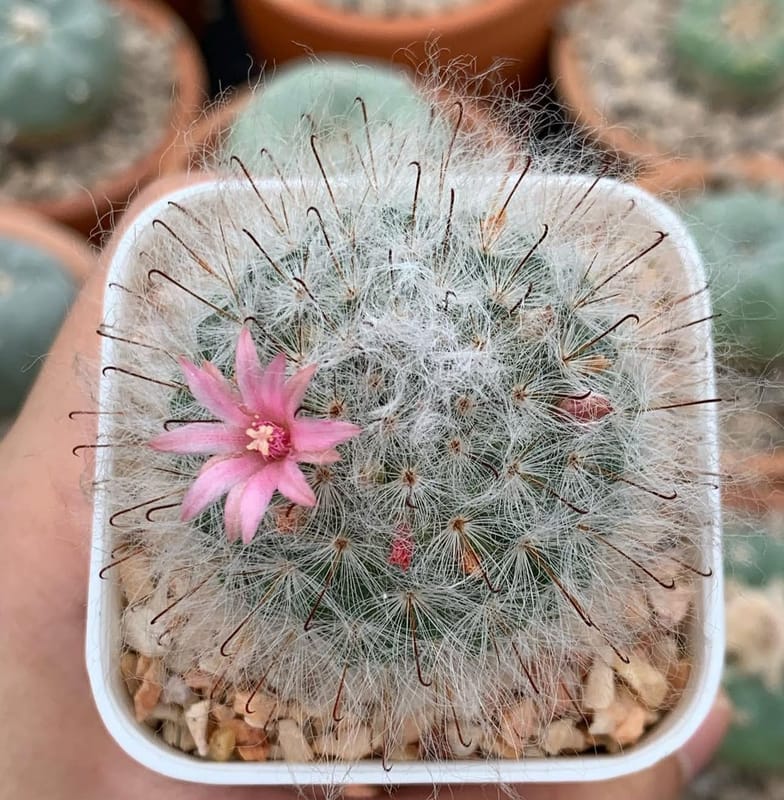
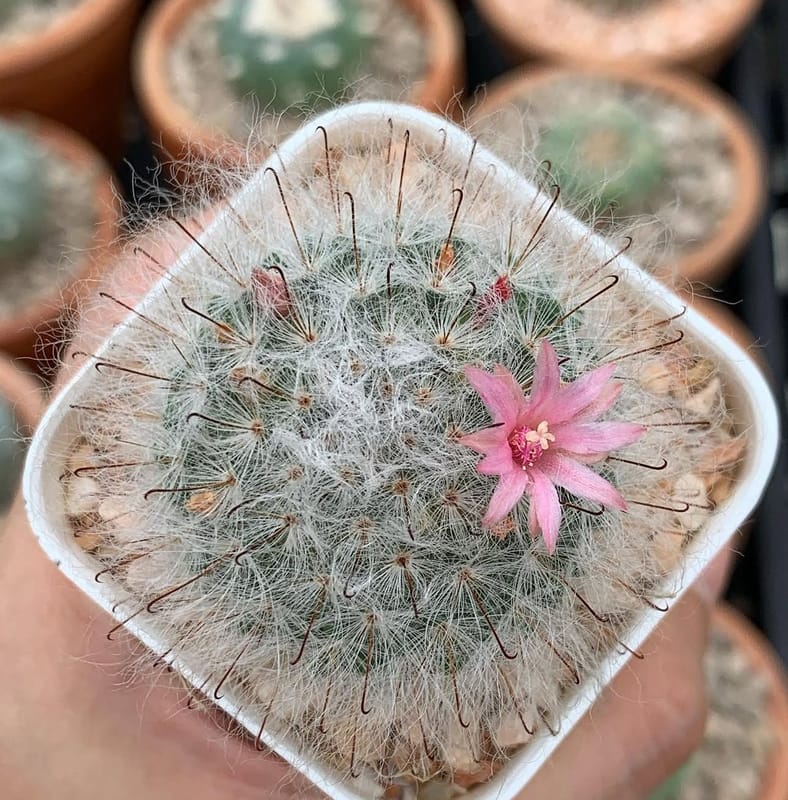
The Mammillaria bocasana, widely known as the Powder Puff Cactus, is essentially the "mischievous twin" of the Mammillaria plumosa we discussed earlier.

While it looks just as soft, white, and cuddly as the Feather Cactus, it hides a secret: underneath that cloud of white hair lies a sharp, hooked central spine waiting to snag anything that touches it. It’s the ultimate "look but don't touch" plant.

The "Hook and Fluff" Strategy

Native to central Mexico, this cactus uses a two-layered defense and survival system:

The Radial Spines: These are the white, hair-like fibers that give it the "powder puff" look. They protect the plant from sun and help it regulate temperature.

The Central Spines: Usually one (sometimes more) per areole, these are reddish-brown and hooked like a tiny fishing hook.

Warning: If you get a finger—or a sweater—caught in a M. bocasana, don't pull away quickly! The hooks are remarkably strong and will tear the plant (or your skin) before they let go.

Key Characteristics

Growth Habit: It is a prolific clumper. It starts as a blue-green globe but quickly surrounds itself with "pups," forming a large, frothy-looking mound.

The Flowers: It is a very reliable bloomer. In spring and summer, it produces a "crown" of small, funnel-shaped flowers around the top. They are typically creamy-pink or pale yellow with a darker stripe down the center of each petal.

The "Chilis": After flowering,


Key Tips for Success:
Light: Provide bright, direct light or, for some, filtered sun. Insufficient light causes weak, thin growth (etiolation).
Watering: Allow soil to dry out completely between waterings. In summer, water every 10–20 days; reduce significantly in winter.
Soil & Drainage: Use a specialized, airy cactus potting mix (e.g., potting soil mixed with perlite or pumice).
Potting: Choose containers with drainage holes; terracotta is ideal as it dries out quickly.
Maintenance: Fertilize once a month during the growing season (spring/summer). If the plant becomes too sun-stressed (yellow/brown), provide 30-60% shade.

SKU-TKXXEFVWT
INR430In Stock
Desert Habitat Garden

Mammillaria Bocasana

SKU : SKU-TKXXEFVWT
Brand : Desert Habitat Garden
₹430  ( 28% OFF )

MRP ₹600 Inclusive of all taxes

COD (Cash On Delivery) Available

Delivery

Product Information

#AttributeValue
1. brandDesert Habitat Garden

The Mammillaria bocasana, widely known as the Powder Puff Cactus, is essentially the "mischievous twin" of the Mammillaria plumosa we discussed earlier.

While it looks just as soft, white, and cuddly as the Feather Cactus, it hides a secret: underneath that cloud of white hair lies a sharp, hooked central spine waiting to snag anything that touches it. It’s the ultimate "look but don't touch" plant.

The "Hook and Fluff" Strategy

Native to central Mexico, this cactus uses a two-layered defense and survival system:

The Radial Spines: These are the white, hair-like fibers that give it the "powder puff" look. They protect the plant from sun and help it regulate temperature.

The Central Spines: Usually one (sometimes more) per areole, these are reddish-brown and hooked like a tiny fishing hook.

Warning: If you get a finger—or a sweater—caught in a M. bocasana, don't pull away quickly! The hooks are remarkably strong and will tear the plant (or your skin) before they let go.

Key Characteristics

Growth Habit: It is a prolific clumper. It starts as a blue-green globe but quickly surrounds itself with "pups," forming a large, frothy-looking mound.

The Flowers: It is a very reliable bloomer. In spring and summer, it produces a "crown" of small, funnel-shaped flowers around the top. They are typically creamy-pink or pale yellow with a darker stripe down the center of each petal.

The "Chilis": After flowering,


Key Tips for Success:
Light: Provide bright, direct light or, for some, filtered sun. Insufficient light causes weak, thin growth (etiolation).
Watering: Allow soil to dry out completely between waterings. In summer, water every 10–20 days; reduce significantly in winter.
Soil & Drainage: Use a specialized, airy cactus potting mix (e.g., potting soil mixed with perlite or pumice).
Potting: Choose containers with drainage holes; terracotta is ideal as it dries out quickly.
Maintenance: Fertilize once a month during the growing season (spring/summer). If the plant becomes too sun-stressed (yellow/brown), provide 30-60% shade.

Related Products

Customer Review

Be the first to review this product
0/5
Rate this product!