
SellerWelcome to Paudhewale, India’s largest online marketplace dedicated entirely to gardening. Why limit your choices? We connect you with trusted, verified sellers nationwide to provide the widest variety of indoor and outdoor plants, exotic bonsai, and authentic grafted varieties. Explore thousands of products across every gardening category, from heavy-duty tools and organic soil mixes to decorative pots and seasonal bulbs. Enjoy the convenience of finding exactly what you need at the best prices, backed by safe, pan-India delivery. Buy plants online and build your dream garden today.https://seller.paudhewale.com/s/660a356584d1ac2391ae69de/69fc2a4a74e0f5685ffe6316/gemini_generated_image_xztyckxztyckxzty-480x480.png
Agam Kuan800007PatnaIN
Seller
Agam KuanPatna, IN
+917969513372https://seller.paudhewale.com/s/660a356584d1ac2391ae69de/69fc2a4a74e0f5685ffe6316/gemini_generated_image_xztyckxztyckxzty-480x480.png"[email protected]
69a5b00126d86e54d8d3df9fMammillaria PlumosaMammillaria Plumosa

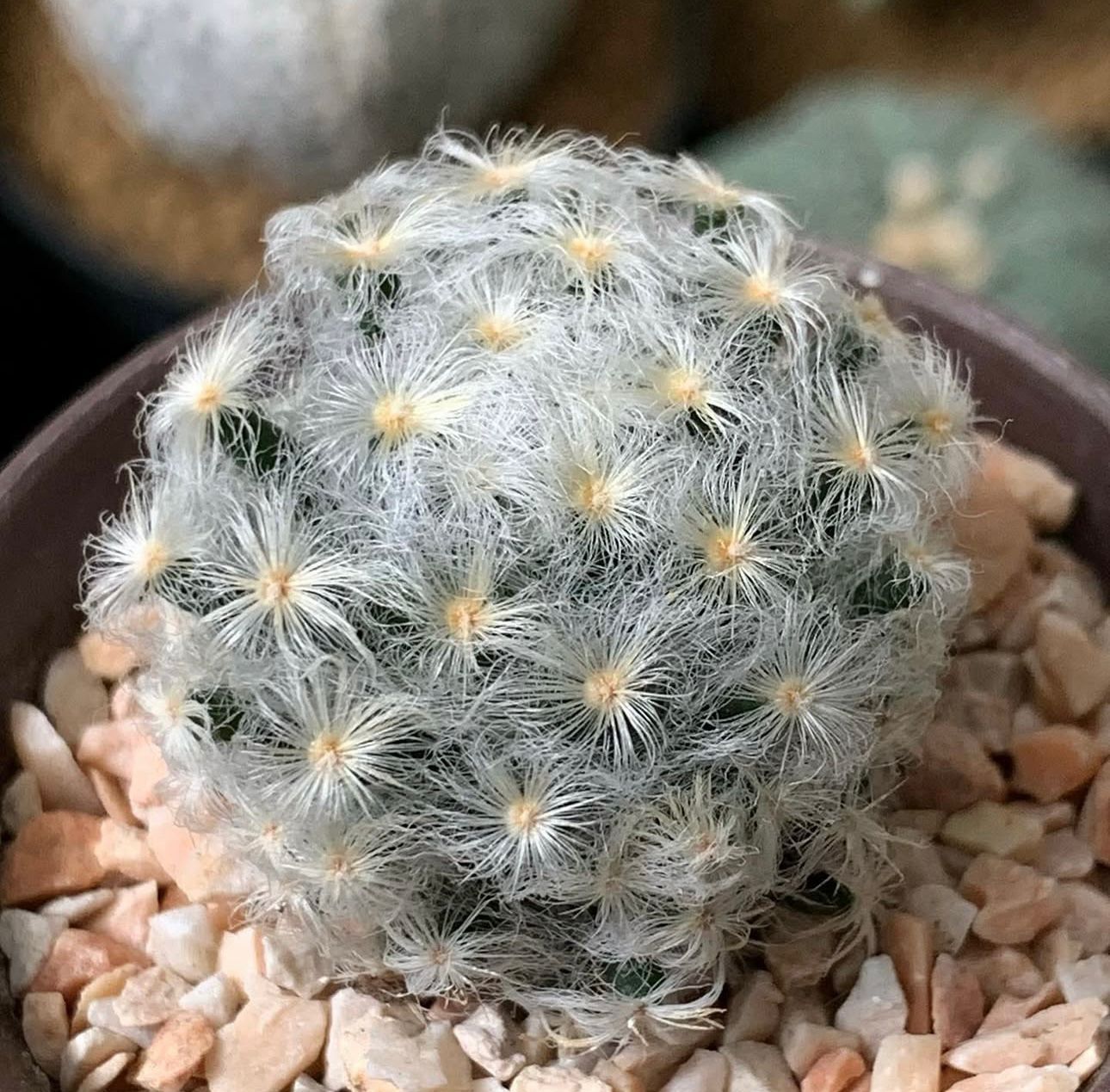
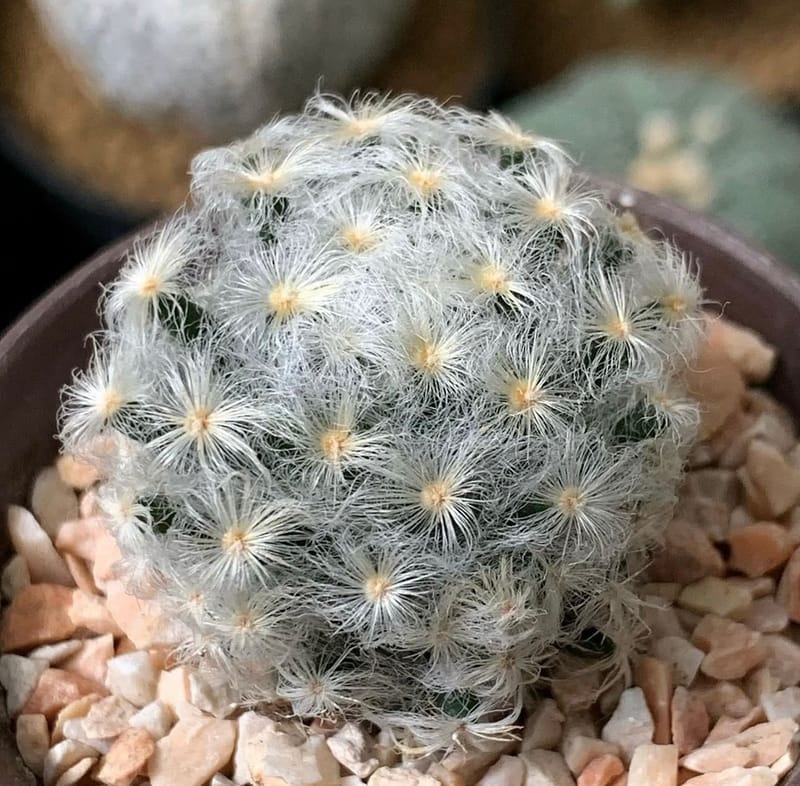
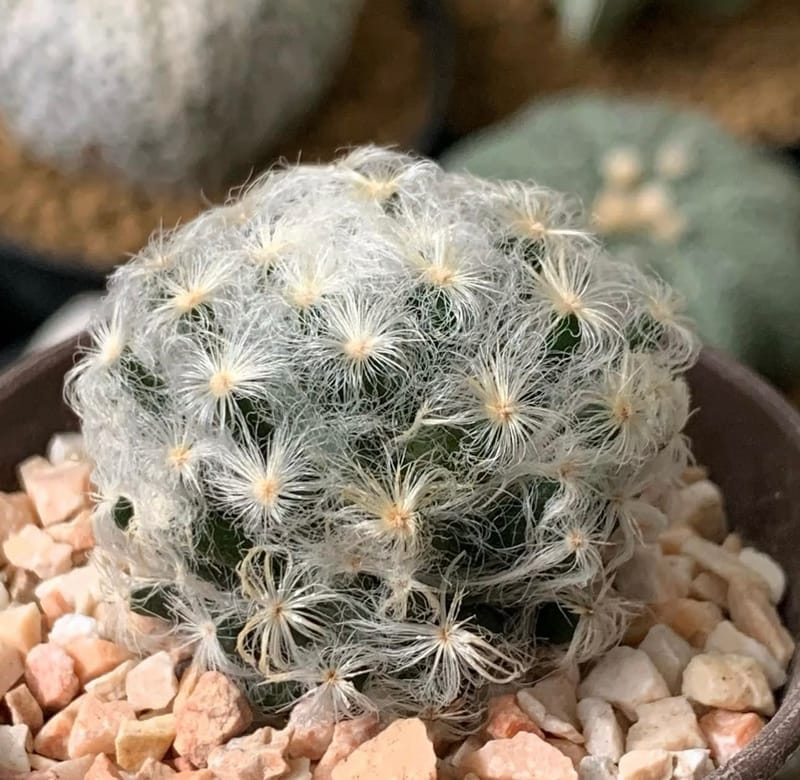
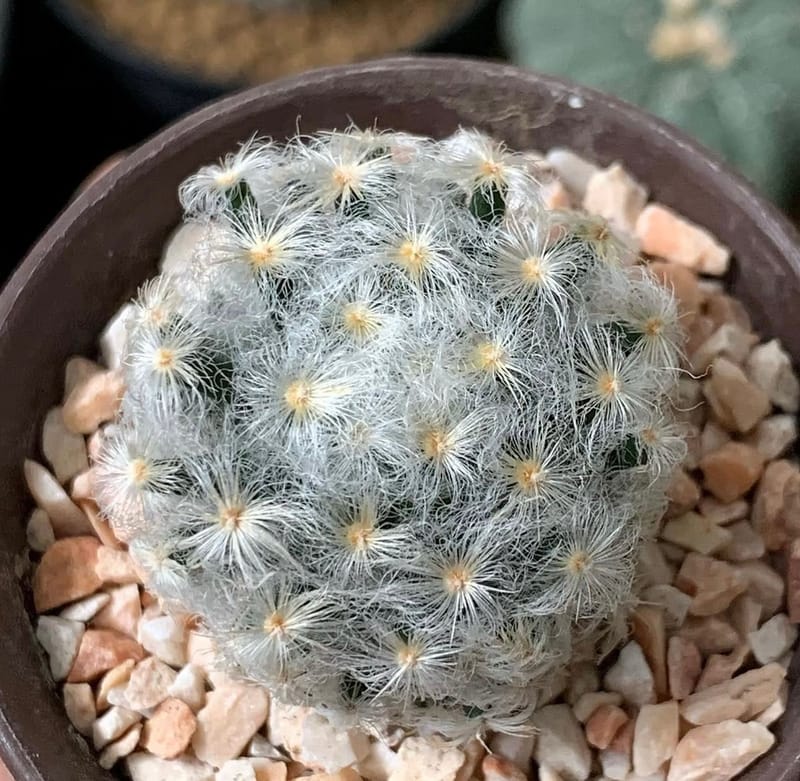
The Mammillaria plumosa, commonly known as the Feather Cactus, is the ultimate "deceptive" plant. While it looks like a pile of soft, fluffy white cotton balls or a cluster of bird feathers, those "feathers" are actually highly evolved spines.

Native to the limestone cliffs of northeastern Mexico, this cactus has traded the typical "scary needle" look for a sophisticated camouflage that protects it from the intense high-altitude sun.

Why is it "Feathery"?

The white fluff isn't just for show. Each areole produces spines that are deeply dissected into fine, hair-like filaments. This serves three vital survival functions:

Sunscreen: The dense white covering reflects UV rays, keeping the plant body cool.

Moisture Trapping: The "feathers" trap a layer of humid air against the skin and can even collect dew from the air.

Camouflage: In its native habitat, it blends in perfectly with white limestone rocks to avoid being eaten.

Key Characteristics

Growth Habit: It forms low-growing, dense mounds. A mature specimen can eventually grow into a spectacular "cloud" of many small globes.

The Flowers: Interestingly, the flowers are quite subtle compared to the plant itself. They are usually creamy white to pale yellow, sometimes with a hint of pink or green, and they have a lovely, faint scent.

Bloom Time: Unlike many cacti that wait for summer, M. plumosa often blooms in late autumn and winter.


Key Tips for Success
Light: Provide bright, direct light or, for some, filtered sun. Insufficient light causes weak, thin growth (etiolation).
Watering: Allow soil to dry out completely between waterings. In summer, water every 10–20 days; reduce significantly in winter.
Soil & Drainage: Use a specialized, airy cactus potting mix (e.g., potting soil mixed with perlite or pumice).
Potting: Choose containers with drainage holes; terracotta is ideal as it dries out quickly.
Maintenance: Fertilize once a month during the growing season (spring/summer). If the plant becomes too sun-stressed (yellow/brown), provide 30-60% shade.

SKU--SHHBGJ_H
INR430In Stock
Desert Habitat Garden

Mammillaria Plumosa

SKU : SKU--SHHBGJ_H
Brand : Desert Habitat Garden
₹430  ( 28% OFF )

MRP ₹599 Inclusive of all taxes

COD (Cash On Delivery) Available

Delivery

Product Information

#AttributeValue
1.brandDesert Habitat Garden

The Mammillaria plumosa, commonly known as the Feather Cactus, is the ultimate "deceptive" plant. While it looks like a pile of soft, fluffy white cotton balls or a cluster of bird feathers, those "feathers" are actually highly evolved spines.

Native to the limestone cliffs of northeastern Mexico, this cactus has traded the typical "scary needle" look for a sophisticated camouflage that protects it from the intense high-altitude sun.

Why is it "Feathery"?

The white fluff isn't just for show. Each areole produces spines that are deeply dissected into fine, hair-like filaments. This serves three vital survival functions:

Sunscreen: The dense white covering reflects UV rays, keeping the plant body cool.

Moisture Trapping: The "feathers" trap a layer of humid air against the skin and can even collect dew from the air.

Camouflage: In its native habitat, it blends in perfectly with white limestone rocks to avoid being eaten.

Key Characteristics

Growth Habit: It forms low-growing, dense mounds. A mature specimen can eventually grow into a spectacular "cloud" of many small globes.

The Flowers: Interestingly, the flowers are quite subtle compared to the plant itself. They are usually creamy white to pale yellow, sometimes with a hint of pink or green, and they have a lovely, faint scent.

Bloom Time: Unlike many cacti that wait for summer, M. plumosa often blooms in late autumn and winter.


Key Tips for Success
Light: Provide bright, direct light or, for some, filtered sun. Insufficient light causes weak, thin growth (etiolation).
Watering: Allow soil to dry out completely between waterings. In summer, water every 10–20 days; reduce significantly in winter.
Soil & Drainage: Use a specialized, airy cactus potting mix (e.g., potting soil mixed with perlite or pumice).
Potting: Choose containers with drainage holes; terracotta is ideal as it dries out quickly.
Maintenance: Fertilize once a month during the growing season (spring/summer). If the plant becomes too sun-stressed (yellow/brown), provide 30-60% shade.

Related Products

Customer Review

Be the first to review this product
0/5
Rate this product!