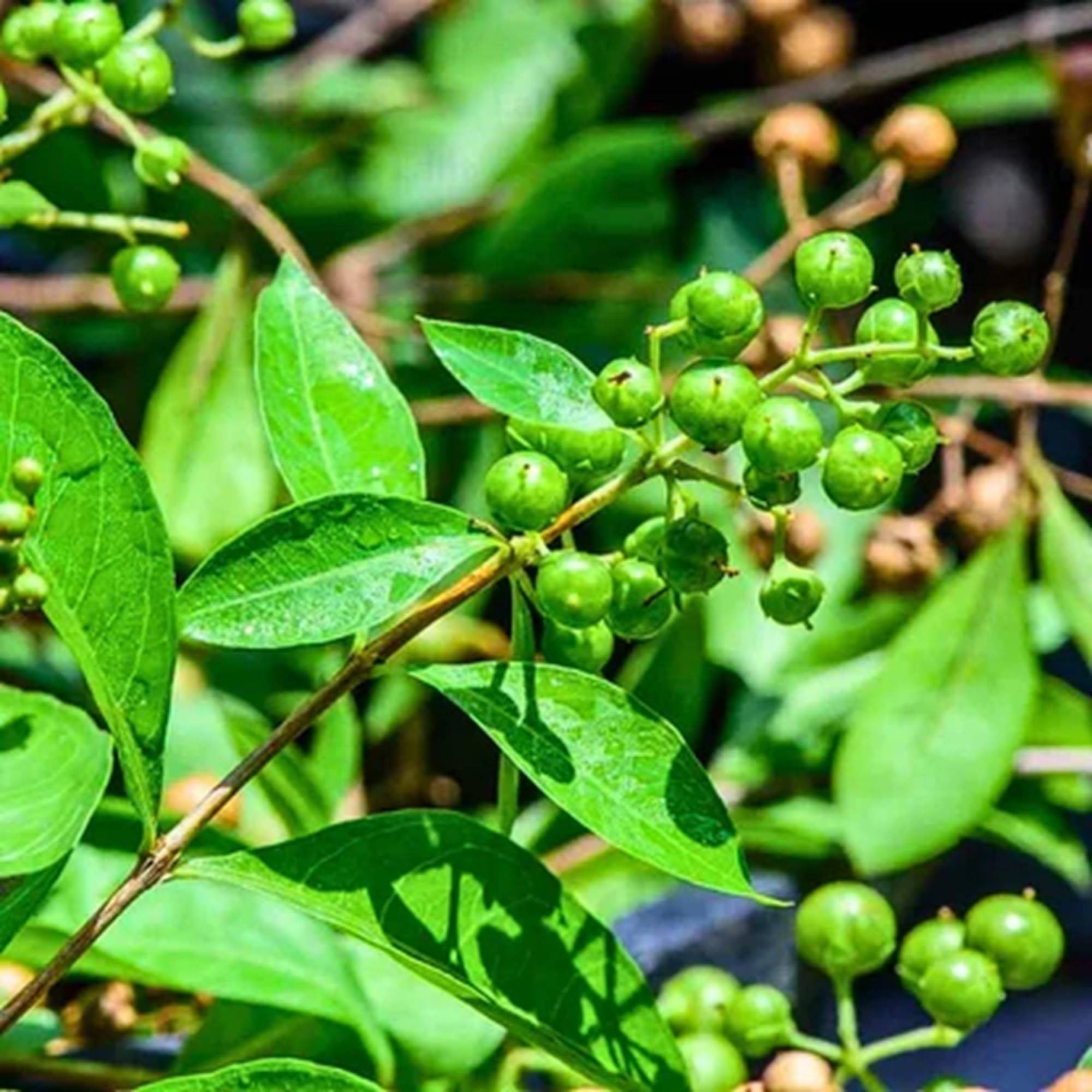
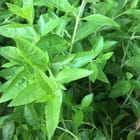
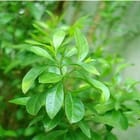
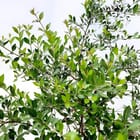
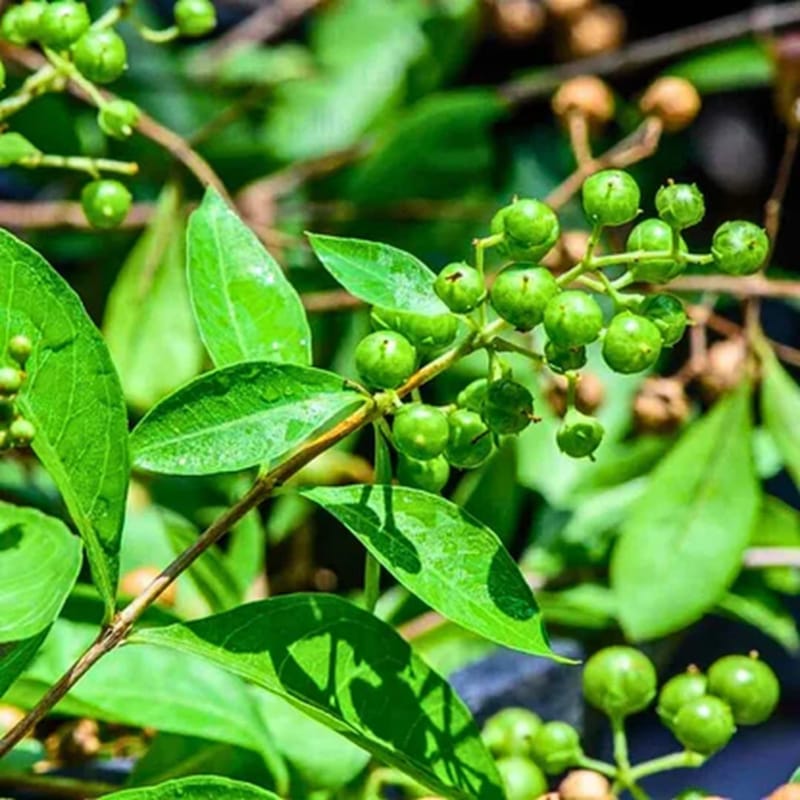
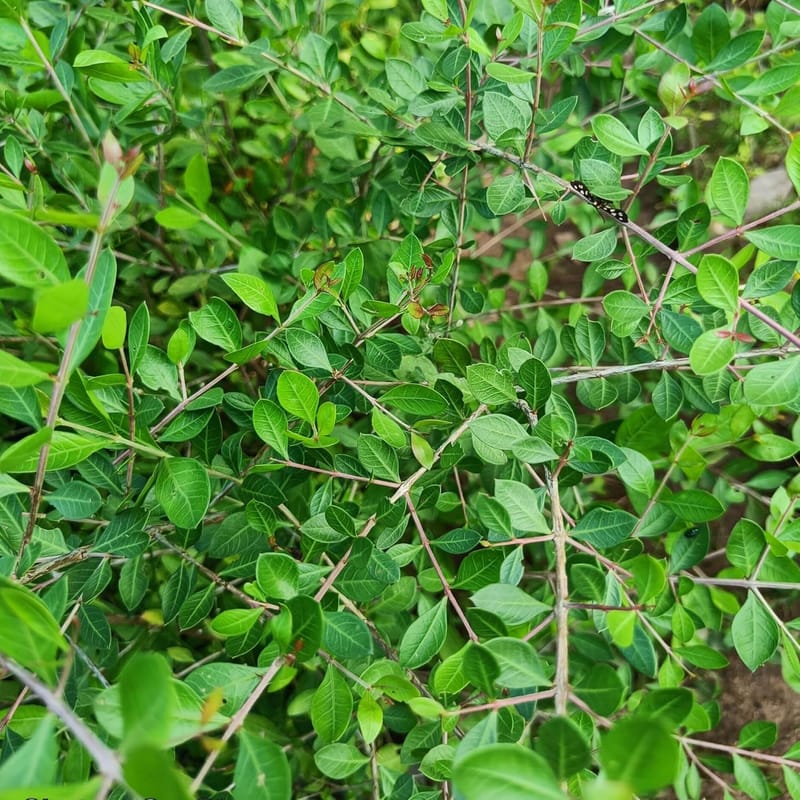
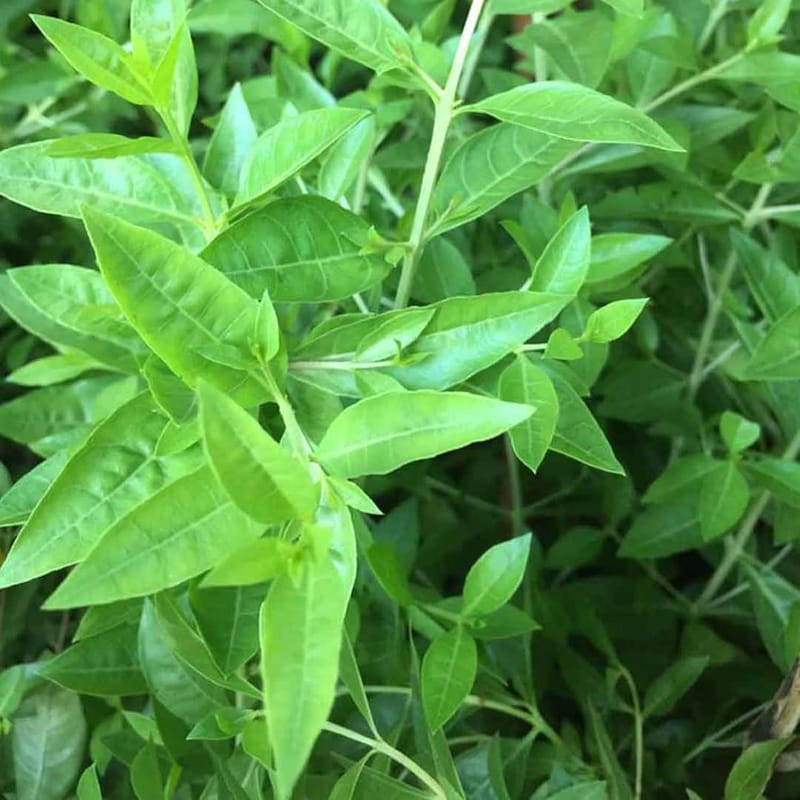
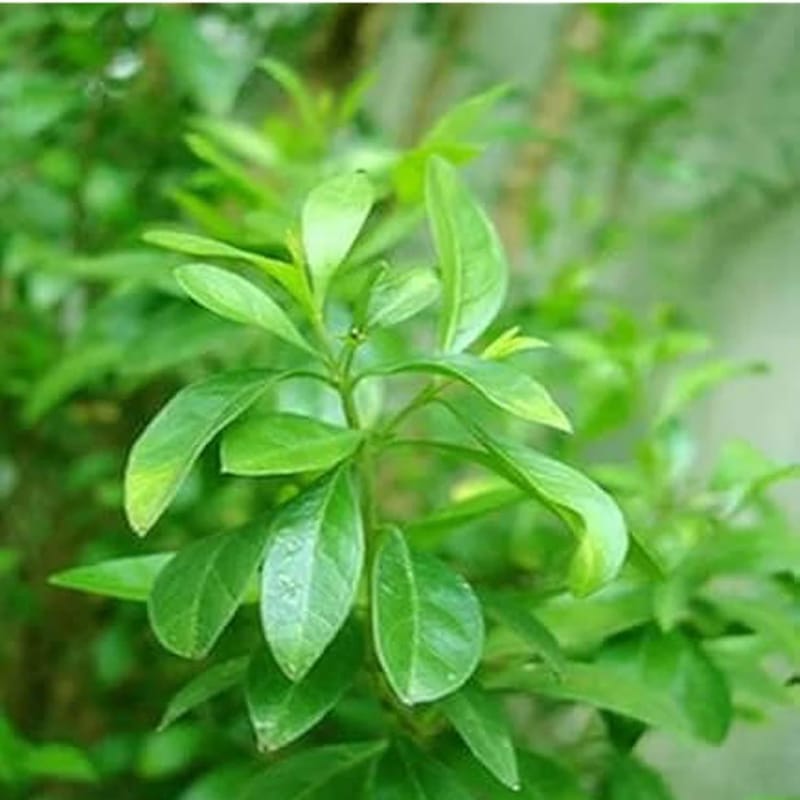
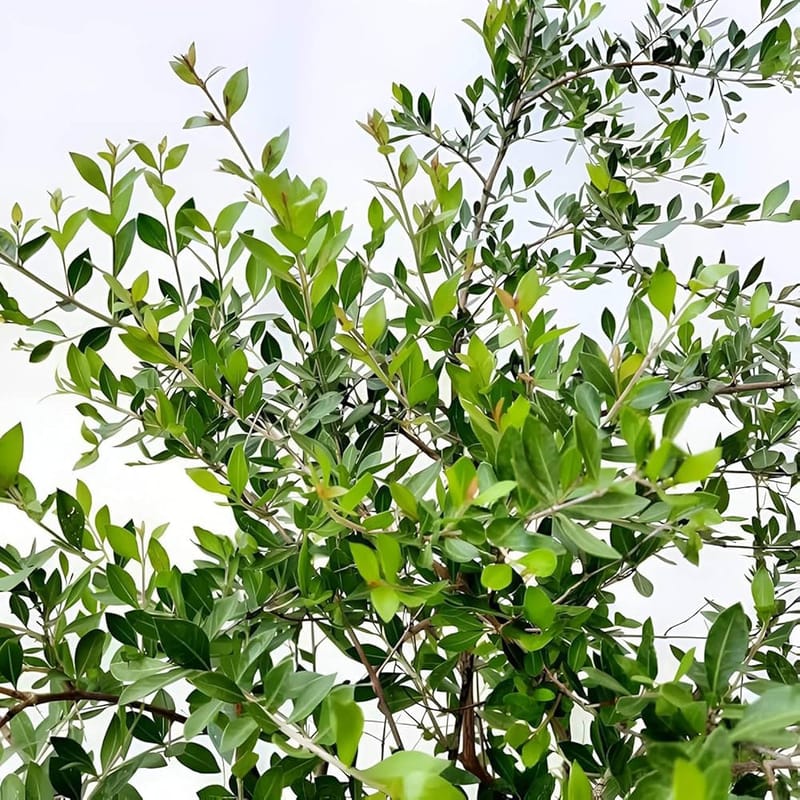
Mehndi Mehandi Henna Plants & Tree(1.5-3 Feet Size) - Tapobon
SKU : TAPOBON-N628
Brand : TAPOBON
Sold By : TAPOBON
₹278 ( 55% OFF )
MRP ₹622 Inclusive of all taxes
51 item left in Stock
Features
- Its green leaves are the traditional source of the natural Henna dye used for intricate body art.
- This resilient shrub thrives in full sun and is highly drought-tolerant once established, making it an easy plant to maintain.
- Using a secure paper core packing method for shipping plants.which help ventilating the plant during transit.
COD (Cash On Delivery) Available
Delivery
Product Information
| # | Attribute | Value |
|---|---|---|
| 1. | brand | TAPOBON |
Plants are packed and shipped by Tapobon Nursery.
Mehndi Mehandi Henna Plant
Product Features and Variety
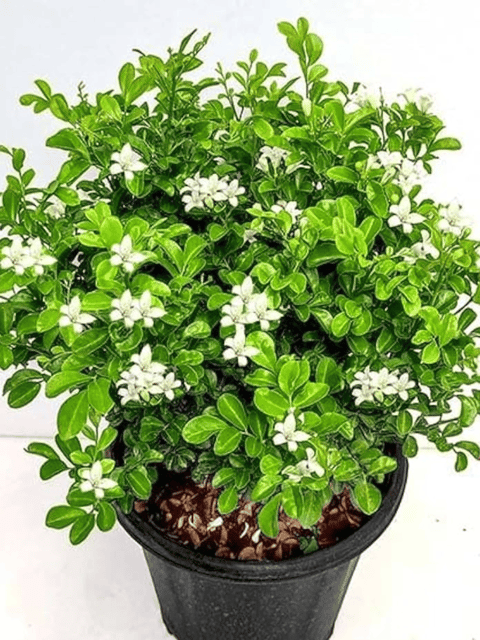
The Mehndi plant (Lawsonia inermis), commonly known as Henna, is a resilient and highly valued evergreen shrub known for its traditional and ornamental uses.
- Botanical Name: Lawsonia inermis.
- Common Names: Henna, Mehandi, Mignonette Tree.
- Type: Hardy, upright evergreen shrub or small tree, suitable for growing as a hedge or in a container.
- Size: Typically shipped at 1.5–3 Feet in height.
- Suitability: Thrives across diverse Indian climates and is well-suited for gardens and large pots.
Flowers and Traditional Use
Mehndi is prized for its fragrant blooms and the natural dye derived from its leaves.
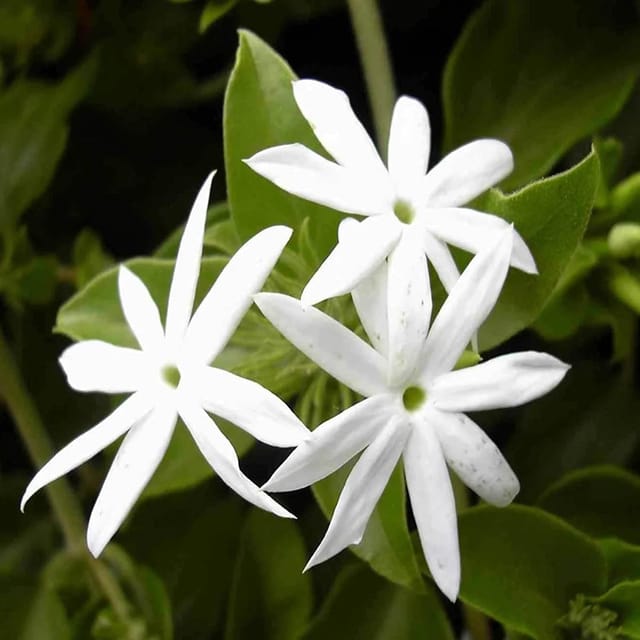
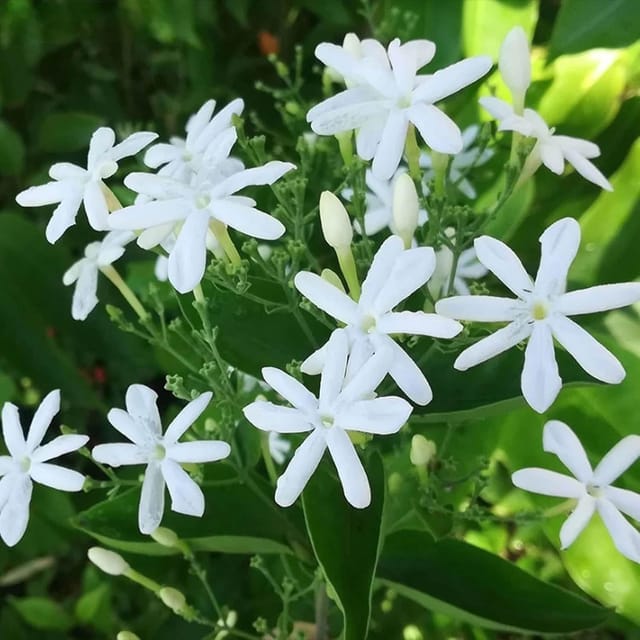
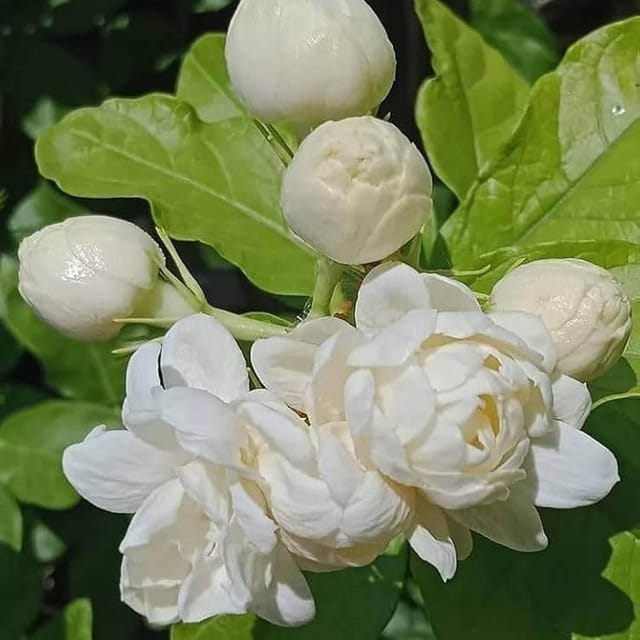
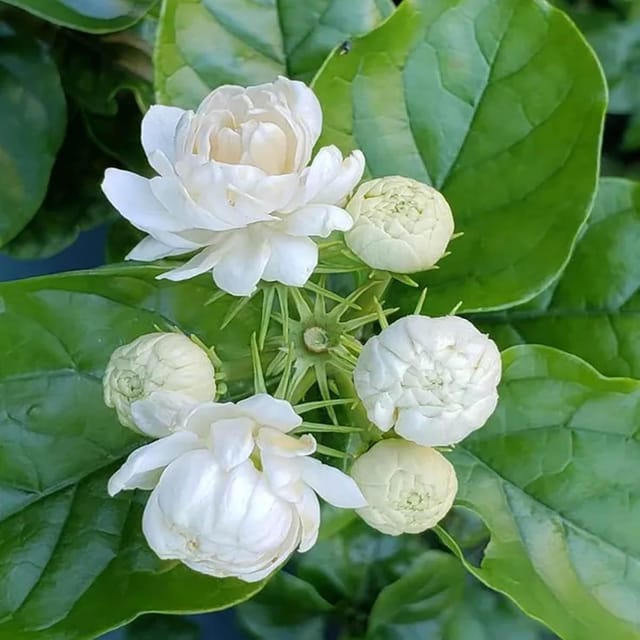
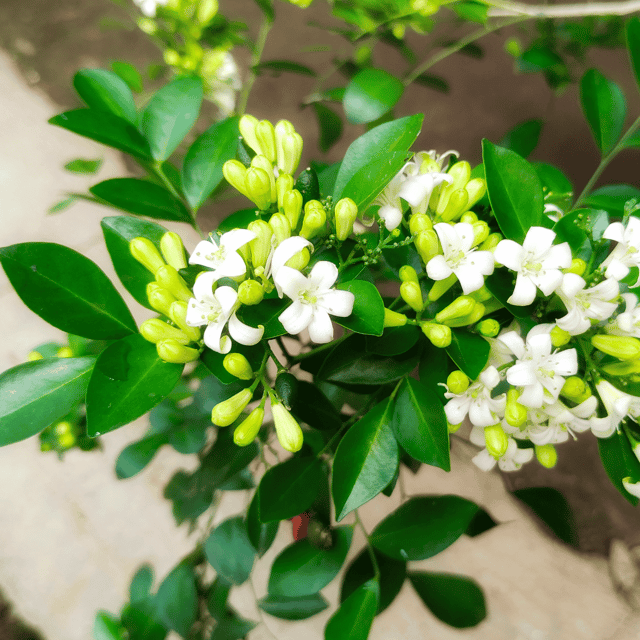
- Flowers and Blooming: The plant produces small, fragrant, creamy-white or pinkish flowers in large clusters (panicles) during the warmer months, offering a delightful and characteristic aroma.
- Traditional Use: The green leaves are traditionally dried and ground into a fine powder, which is used as a natural, temporary dye for intricate body art (Mehndi) and as a hair colorant and conditioner.
Essential Care Guide for Indian Climates
Sunlight Needs
Henna thrives best with generous sunlight exposure.
- Sunlight: Prefers full, direct sunlight (at least 6 hours daily) for optimal growth and dense foliage. It can tolerate partial sun but growth may be slower.
Watering and Soil
- Soil: Plant in well-draining, loamy to sandy soil. The plant is adaptable to various soil types but dislikes poorly draining conditions.
- Watering: Water deeply and regularly, especially when the plant is young or during dry periods. Allow the top inch of soil to dry out completely between waterings to prevent root issues. It is relatively drought-tolerant once established.
The secure paper core packing method used for shipping plants helps ensure proper ventilation and protection during transit.
Customer Review
Be the first to review this product