

Pomegranate Anar Ganesh Variety Fruit (Air Layering/Grafted) Plants & Tree(1.5-3 Feet Size) - Tapobon
SKU : TAPOBON-N149
Brand : TAPOBON
Sold By : TAPOBON
₹328 ( 56% OFF )
MRP ₹747 Inclusive of all taxes
50 item left in Stock
Features
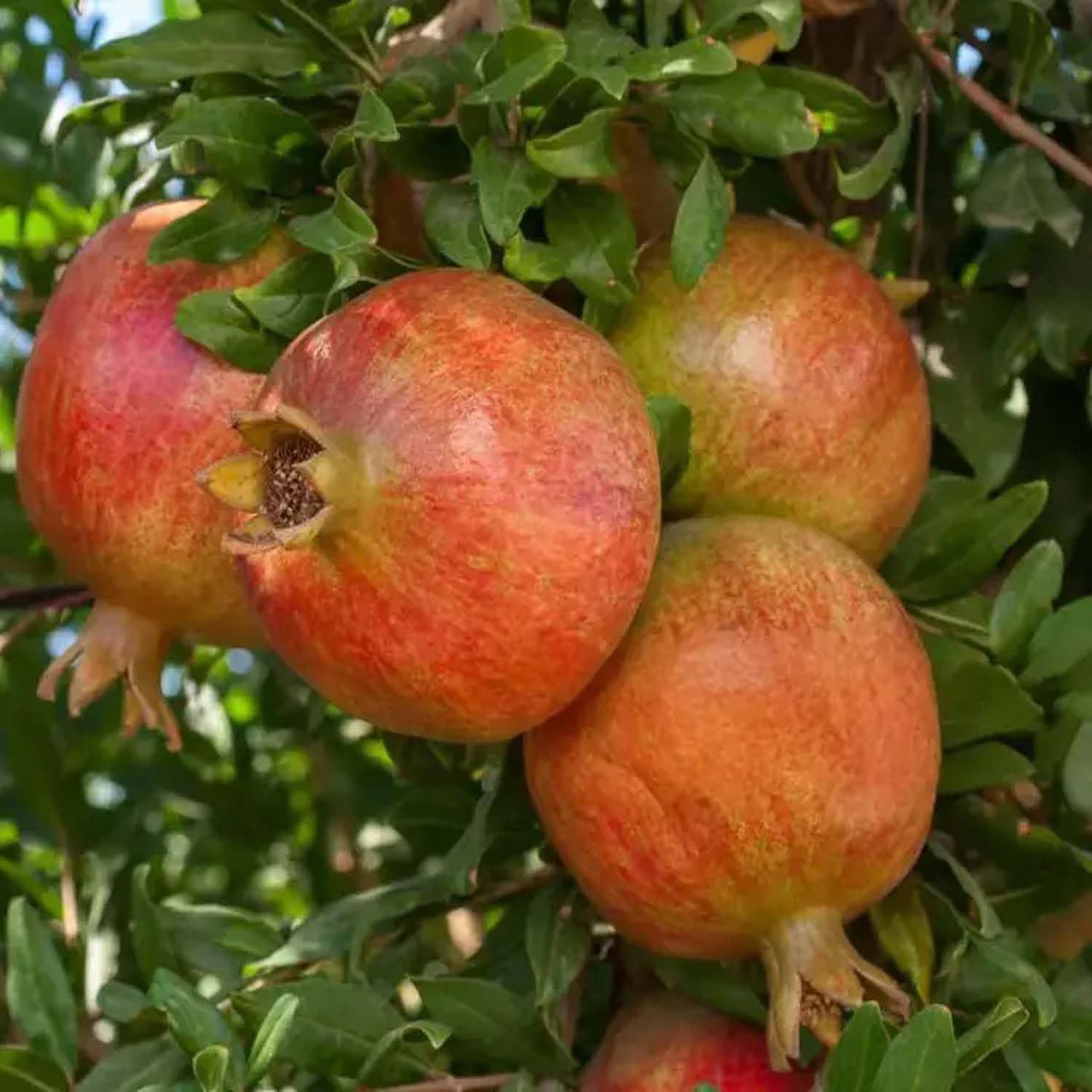
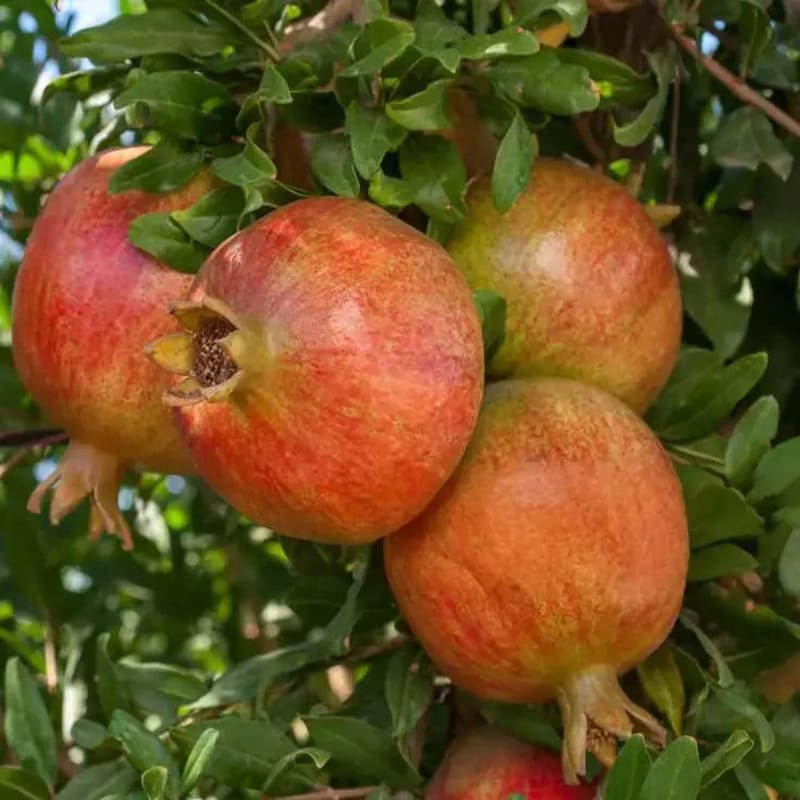
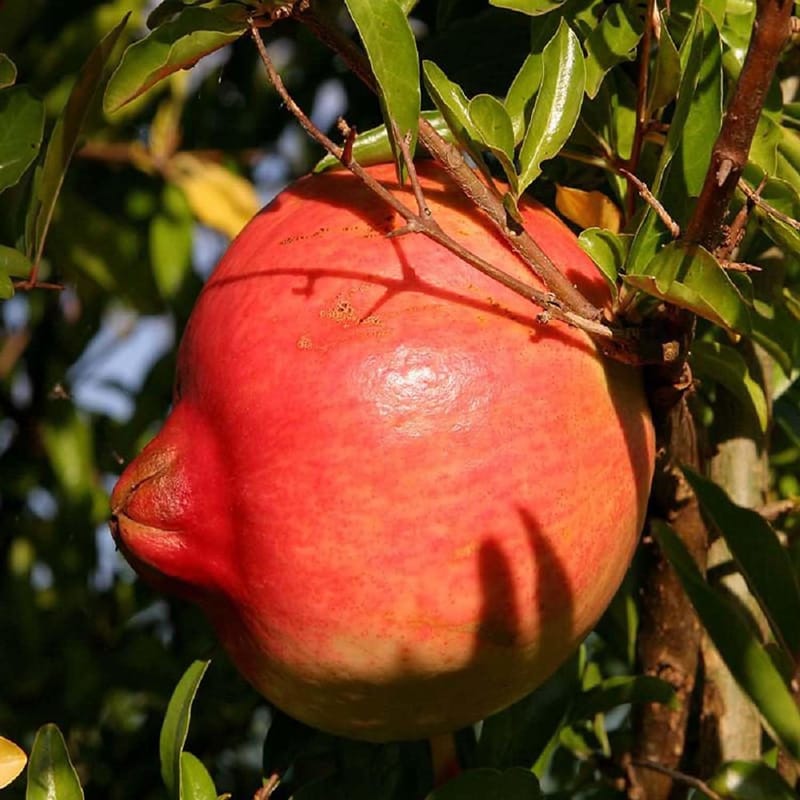
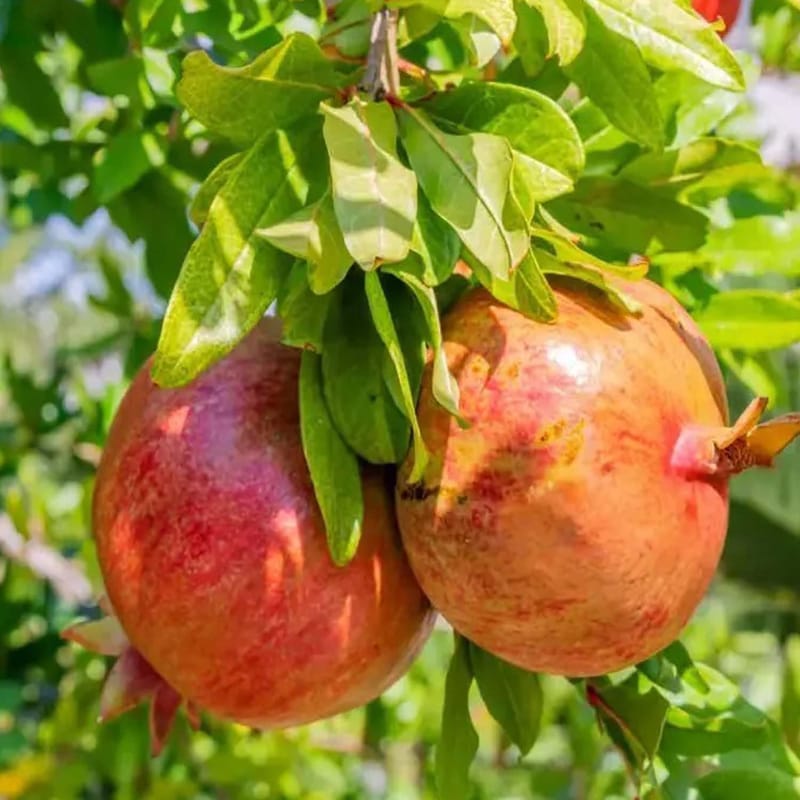
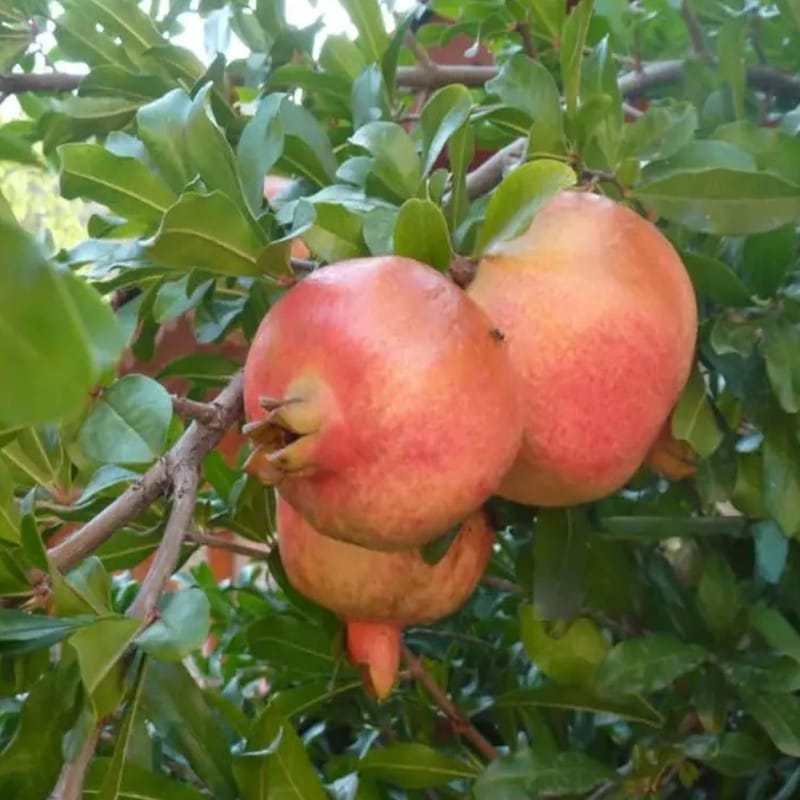
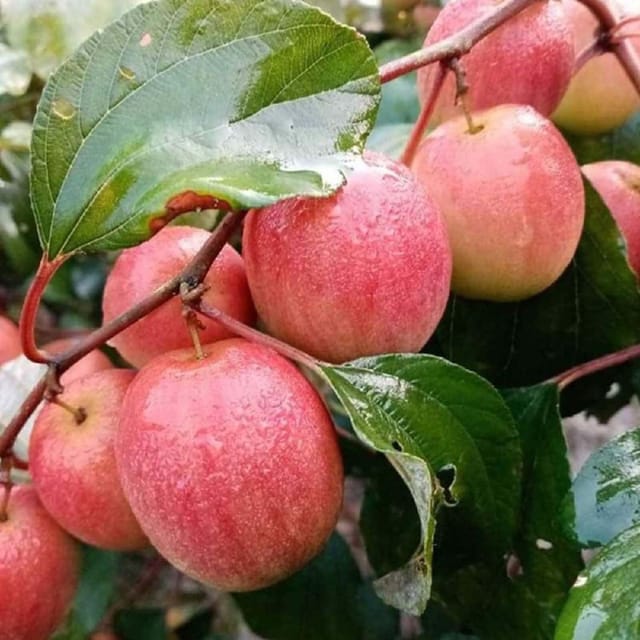
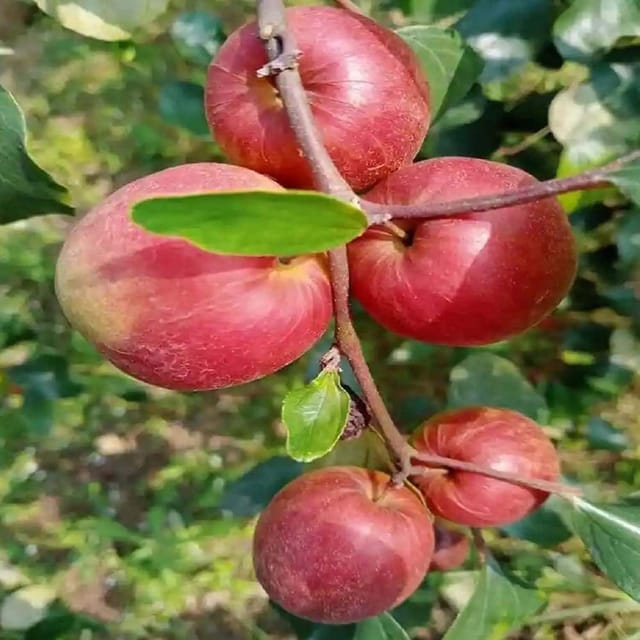
- The Ganesh Pomegranate is a premier, high-yielding variety known for its medium to large fruit, attractive rosy-pink rind, and exceptionally sweet, soft-seeded, ruby-red arils.
- Highly adaptable and thrives in hot, sunny conditions with relatively drought-tolerant nature once established.
- Using a secure paper core packing method for shipping plants.which help ventilating the plant during transit.
COD (Cash On Delivery) Available
Delivery
Product Information
| # | Attribute | Value |
|---|---|---|
| 1. | brand | TAPOBON |
Plants are packed and shipped by Tapobon Nursery.
Pomegranate Anar Ganesh Variety Fruit (Air Layering/Grafted) Plant
Product Features and Variety
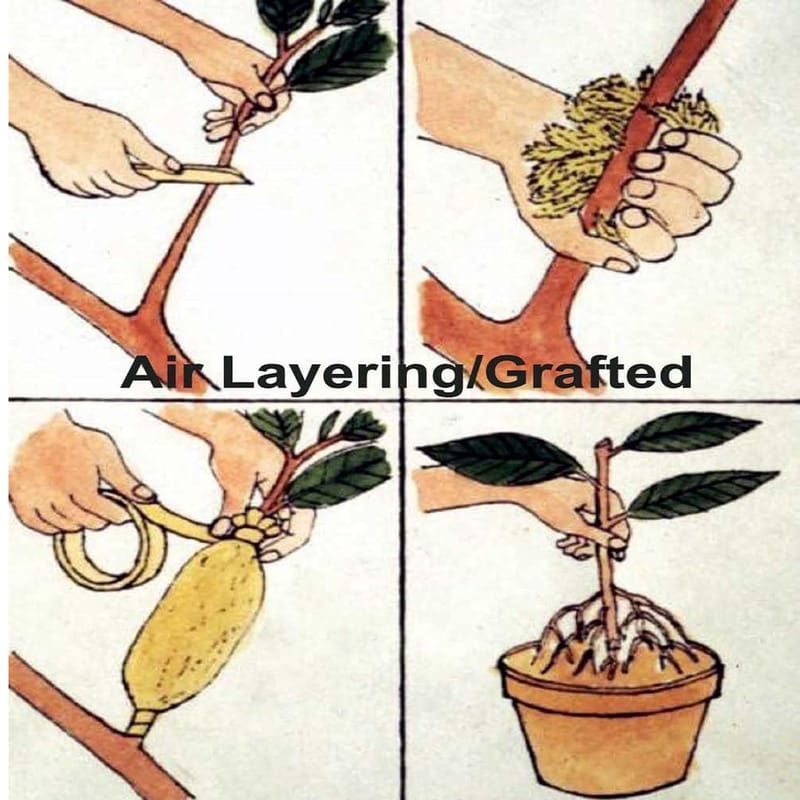
The Pomegranate (Punica granatum), commonly known as Anar, is a deciduous shrub or small tree. This specific offering is propagated through Air Layering or Grafting, a technique that ensures the plant is true-to-name, promotes faster establishment, and encourages earlier fruiting, typically within 9 to 12 months of planting.
- Variety: Ganesh Pomegranate (Anar). This is a premier, high-yielding Indian variety, widely cultivated for its soft-seeded, sweet fruit.
- Type: Air Layering/Grafted Plant/Tree.
- Size: 1.5–3 Feet Height.
- Suitability: Highly adaptable for cultivation in almost all Indian climates, including tropical, semi-arid, and subtropical regions. It is an excellent choice for both open land and container gardening.
The Fruit, Flowers, and Blooming
The 'Ganesh' variety is prized for its superior fruit quality and reliable yield:
- Fruit Appearance and Size: The fruit is medium to large, typically weighing between 250 to 400 grams. It is characterized by an attractive rosy-pink to yellowish-red outer rind.
- Arils and Taste: The edible arils (seeds) are pinkish to ruby-red, highly juicy, and are valued for their exceptionally sweet flavor and soft, chewable seeds.
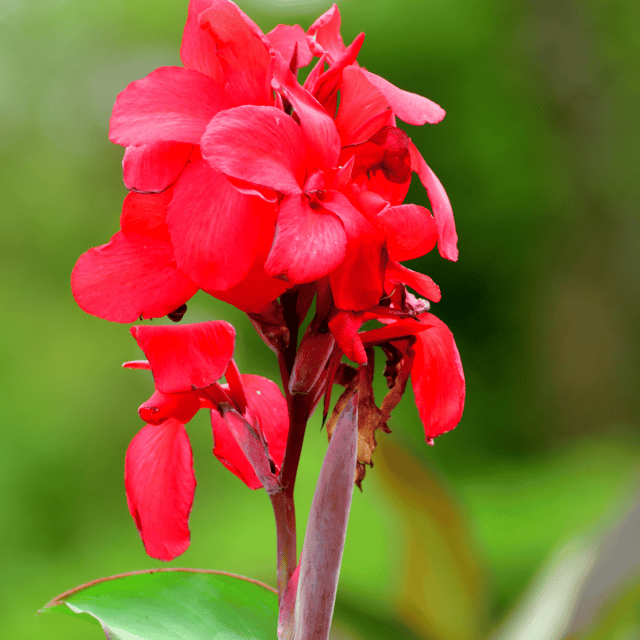
- Flowers: The plant bears vibrant, trumpet-shaped, red flowers, which attract pollinators.
- Blooming: In central and southern Indian climates, flowering can be managed to occur during June-July (mrig bahar), September-October (hasta bahar), or January-February (ambe bahar) depending on local water availability.
Essential Care Guide for Indian Climates
Sunlight and Climate Needs
- Sunlight: The plant requires full and direct sunlight for a minimum of 6 to 8 hours daily. Ample sun is vital for the development of sweet, well-colored fruit.
- Climate: Pomegranates thrive best where they receive a hot and dry climate during the period of fruit development and ripening.
Watering and Soil
- Soil: Plant in well-drained soil, such as a sandy loam or clay loam, enriched with organic matter. Optimal soil pH is slightly acidic to neutral (6.0 to 7.0).
- Watering: Water deeply and regularly, especially when the plant is young or when growing in a pot. Once established, it is relatively drought-tolerant, but consistent moisture is needed from the time of flowering until harvest to prevent fruit cracking. Avoid overwatering.
- Fertilization: Feed the plant with organic compost or a balanced fertilizer every 30 to 45 days, particularly during the active growing season and leading up to flowering.
The secure paper core packing method used for shipping ensures the plant is protected and well-ventilated during transit, guaranteeing a healthy, true-to-variety plant upon arrival.

Customer Review
Be the first to review this product