![Sitafal Grafted Live Plant, Sitafal, sitafal plant, sugar apple, Annona squamosa, Sitafal fruit plant Custard Apple [RAJ GARDEN PLANTS]](https://seller.paudhewale.com/s/660a356584d1ac2391ae69de/6a0b09d08195e488a2de39cc/91_original.jpg)

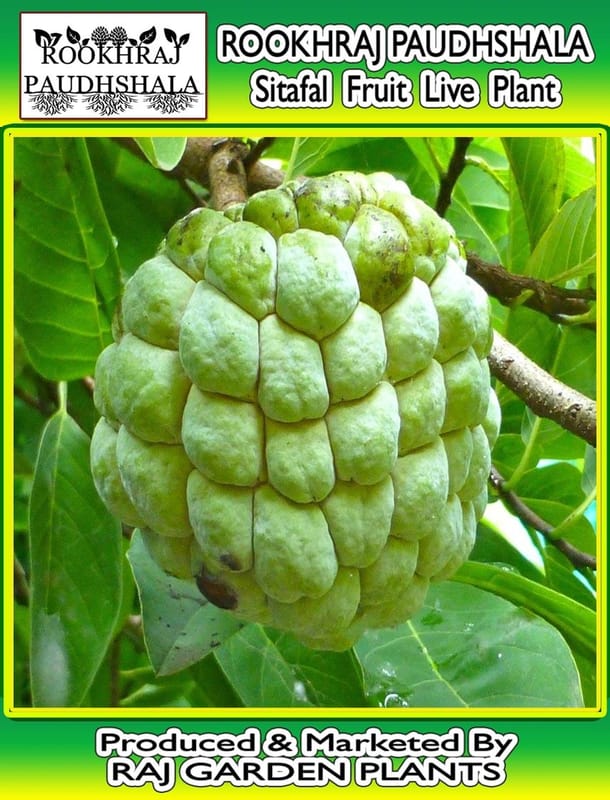
Sitafal Grafted Live Plant, Sitafal, sitafal plant, sugar apple, Annona squamosa, Sitafal fruit plant Custard Apple [RAJ GARDEN PLANTS]
SKU : RRPS1238
Brand : Raj Garden Plants
Sold By : Raj Garden Plants
₹300 ( 70% OFF )
MRP ₹1,001 Inclusive of all taxes
8 item left in Stock
Features
- Grafted for better yield and quality
- Easy to care for and maintain
- Perfect for home gardens and orchards
- Unique grafted variety from Raj Garden Plants
- Ideal gift for gardening enthusiasts
COD (Cash On Delivery) Available
Delivery
Product Information
| # | Attribute | Value |
|---|---|---|
| 1. | brand | Raj Garden Plants |
This is a live plant of ROOKHRAJ PAUDHSHALA Sitafal Grafted Live Plant, Sitafal Grafted Live Plant, Sitafal, sitafal plant, sugar apple, Annona squamosa, Sitafal fruit plant Custard Apple Sitafal, also known as custard apple (Annona reticulata), is a tropical fruit-bearing plant that can be a delightful addition to your garden. Here are some key points about growing and caring for a sitafal live plant: Climate: Sitafal thrives in tropical and subtropical climates. It prefers warm temperatures and cannot tolerate frost. Sunlight: Provide your sitafal plant with full sun to partial shade. It benefits from direct sunlight for several hours a day. Soil: Use well-draining soil rich in organic matter. A slightly acidic to neutral pH (pH 6.0-7.0) is ideal for optimal growth. Planting: Choose a planting location with good drainage. Dig a hole slightly larger than the root ball and plant the sapling at the same depth it was in the nursery container. Watering: Keep the soil consistently moist, especially during the flowering and fruiting stages. However, avoid waterlogging, as custard apples are susceptible to root rot. Mulching: Apply a layer of mulch around the base of the plant to retain moisture, suppress weeds, and maintain a more stable soil temperature. Fertilization: Feed your sitafal plant with a balanced fertilizer during the growing season (spring and summer). Use a slow-release fertilizer and follow the recommended dosage on the label. Pruning: Prune the plant to remove dead or diseased branches and encourage better air circulation. Pruning can also help shape the plant and promote fruiting. Pollination: Custard apples are typically pollinated by insects, especially beetles and flies. Providing a diverse garden with flowering plants can attract pollinators to your sitafal plant. Harvesting: Custard apples are ready for harvest when the skin turns slightly yellow and the fruit gives a little when pressed gently. Pick the fruit carefully to avoid damaging the plant. Pest and Disease Control: Keep an eye out for pests like aphids, scale insects, and fruit flies. Treat infestations promptly with natural remedies or insecticidal soap. Watch for signs of fungal diseases and take preventive measures such as proper spacing and good air circulation. Winter Protection: If you're growing sitafal in a cooler climate, consider planting it in a large container so you can move it indoors during colder months. Propagation: Custard apple plants can be propagated from seeds, but keep in mind that the resulting plants may not produce fruit identical to the parent plant. Patience: Growing sitafal requires patience, as the tree can take several years to produce its first fruits. However, the delicious and unique flavor of the custard apple is well worth the wait. By following these tips and guidelines, you can cultivate a healthy and productive sitafal plant that rewards you with its delectable fruits over time.
![Adenium Grafted Yellow PInk Variegated Flower Plant [RAJ GARDEN PLANTS]](https://seller.paudhewale.com/s/660a356584d1ac2391ae69de/6a0b098c564f25b03cb87390/adeniumpercent201-640x640.jpg "Adenium Grafted Yellow PInk Variegated Flower Plant [RAJ GARDEN PLANTS]")
![Good Luck Money Plant, Pothos Live Indoor Plants, Epipremnum aureum [RAJ GARDEN PLANTS]](https://seller.paudhewale.com/s/660a356584d1ac2391ae69de/6a0b08e98195e488a2de3013/blob-f5e4f2b-640x640.png "Good Luck Money Plant, Pothos Live Indoor Plants, Epipremnum aureum [RAJ GARDEN PLANTS]")
![Imali Live Plant,Tamarind ,Tamarindus Indica Fruit Plant [RAJ GARDEN PLANTS]](https://seller.paudhewale.com/s/660a356584d1ac2391ae69de/6a0b075a95f33fc37c95291d/blob-053f16c-640x640.png "Imali Live Plant,Tamarind ,Tamarindus Indica Fruit Plant [RAJ GARDEN PLANTS]")
Customer Review
Be the first to review this product