
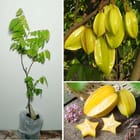
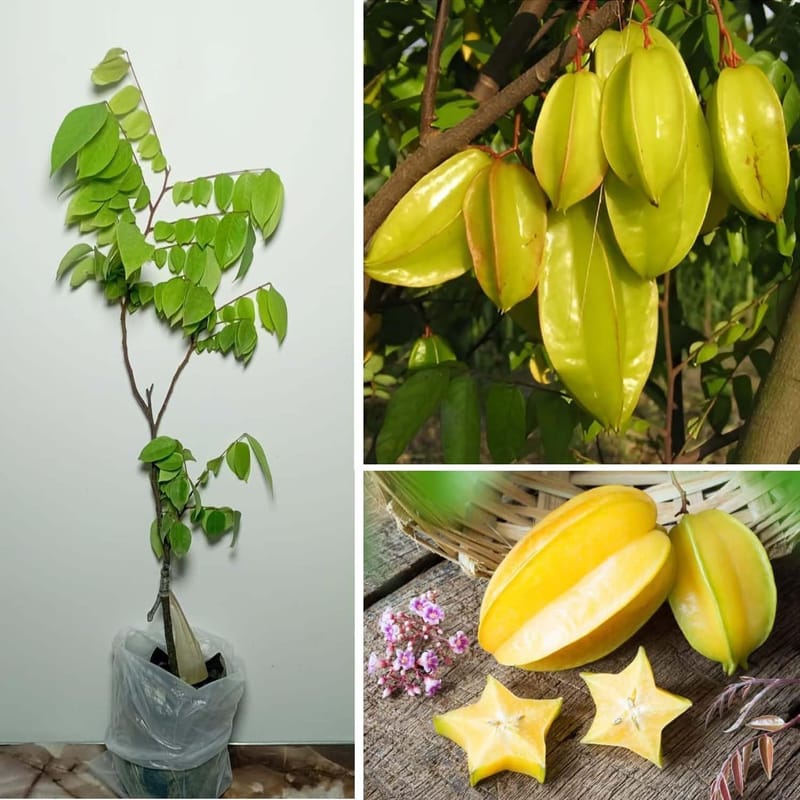
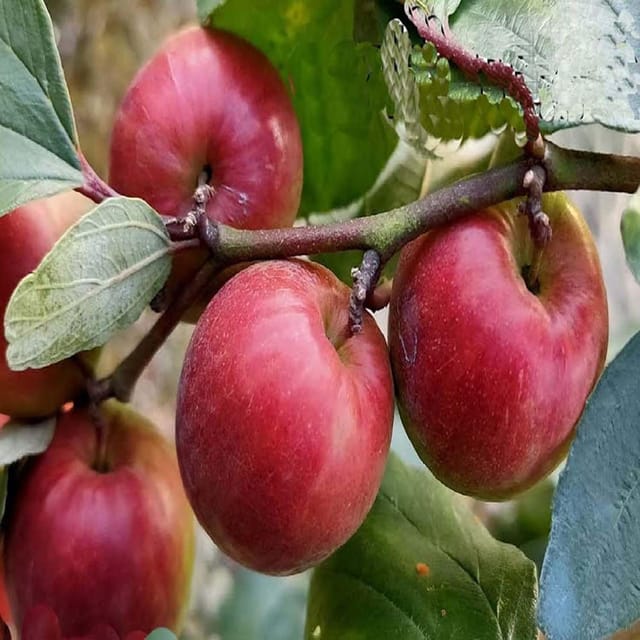
Star Fruit Sour Carambola Kamranga Amrak variety Grafted Fruit Plants & Tree(1.5-3 Feet Size) - Tapobon
SKU : J9-8UEA-9T8N
Brand : TAPOBON
Sold By : TAPOBON
₹328 ( 56% OFF )
MRP ₹747 Inclusive of all taxes
50 item left in Stock
Features
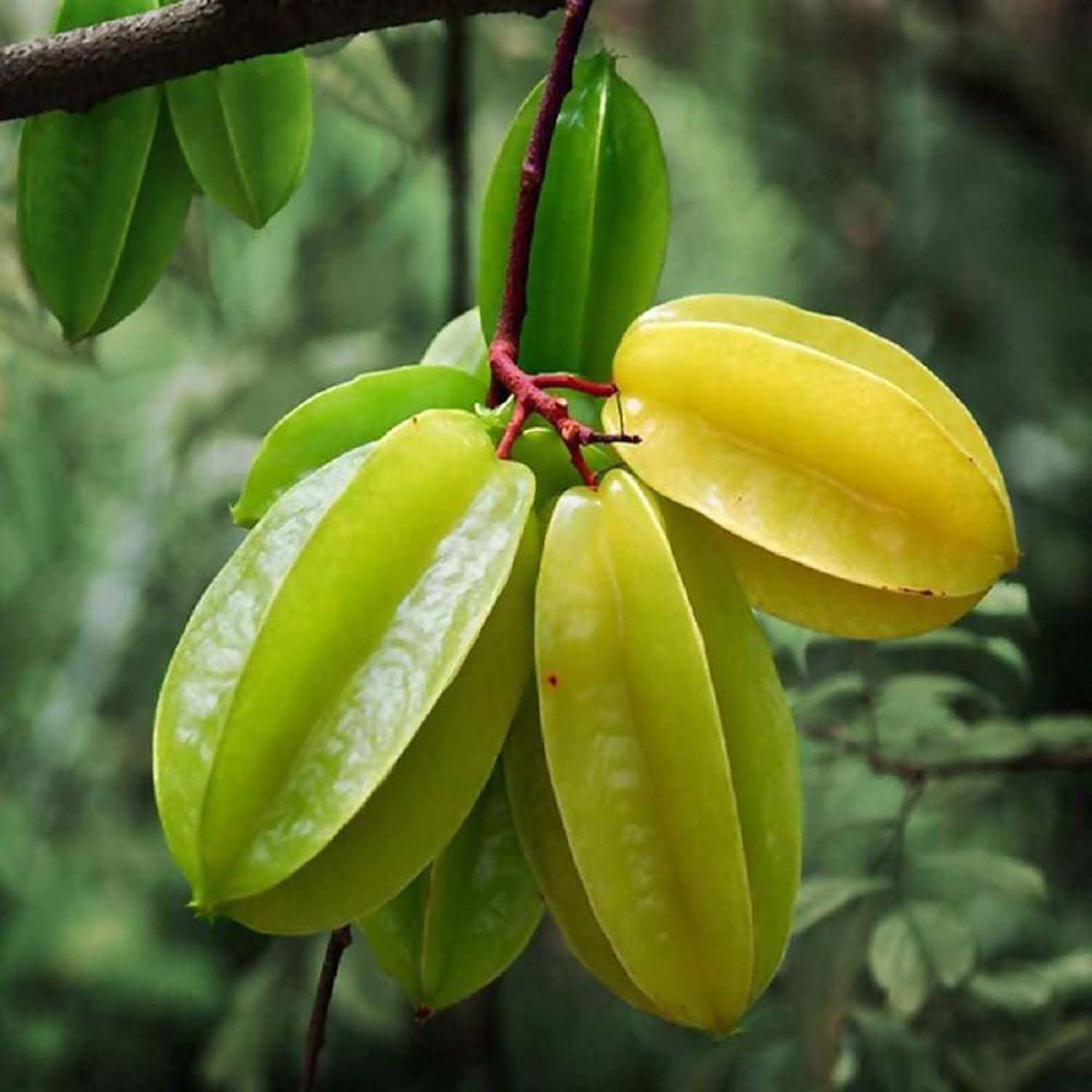
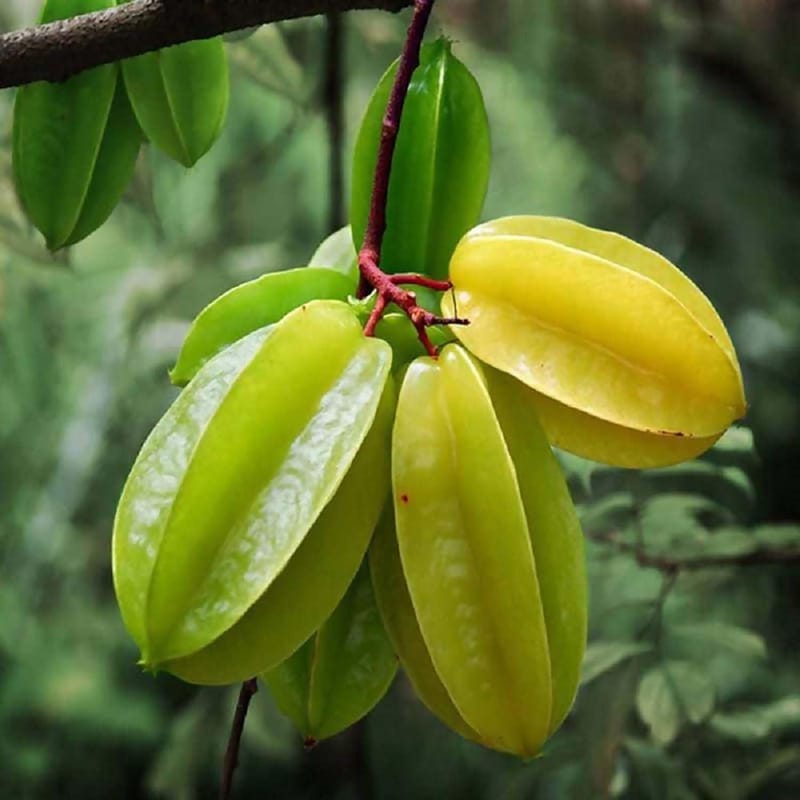
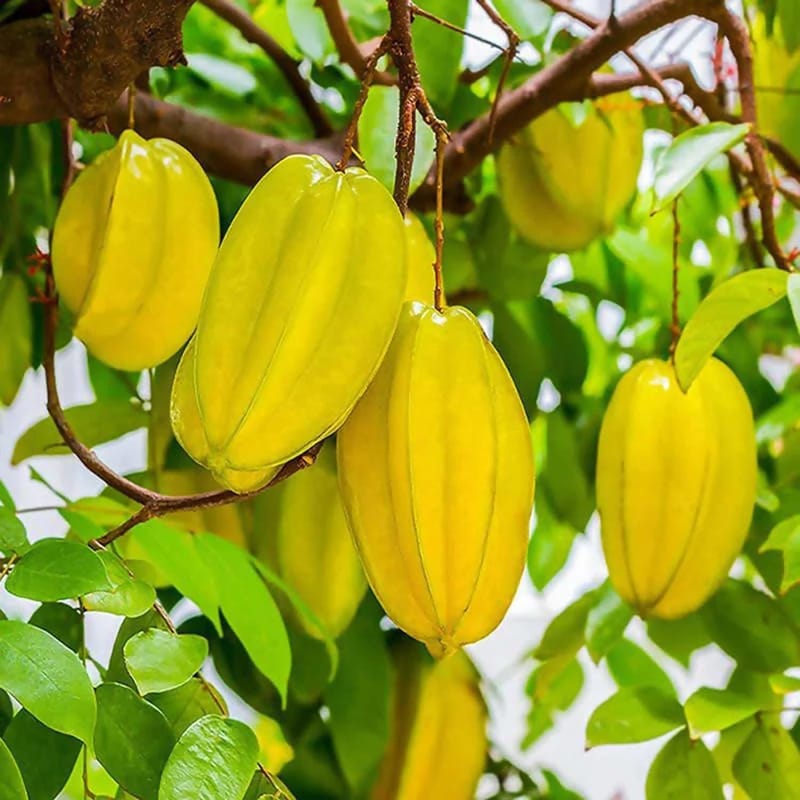
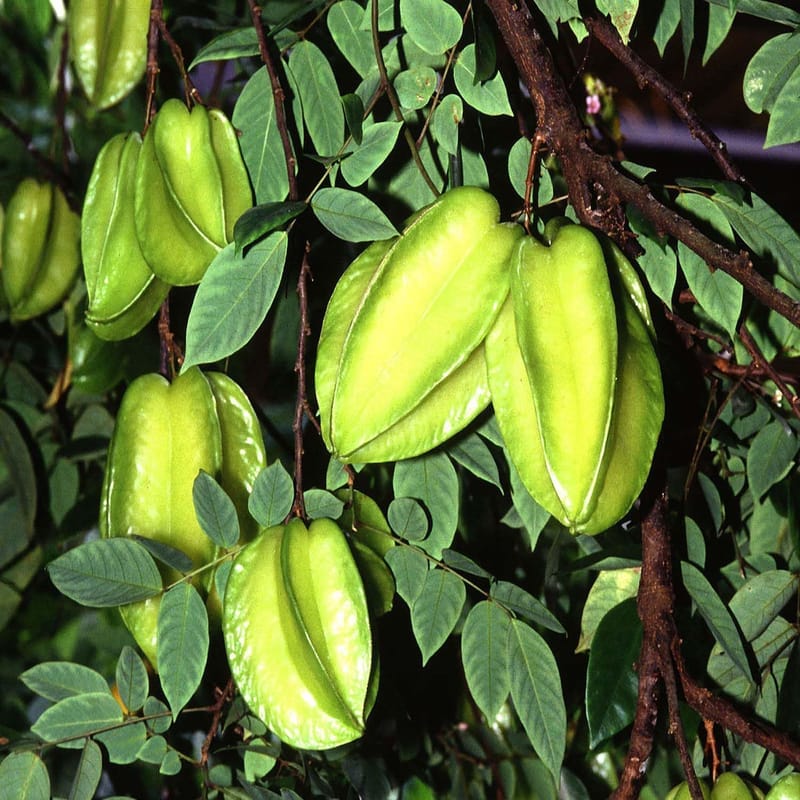
- This Sour Carambola variety produces waxy, oblong fruit that, when sliced, reveals a perfect five-pointed star shape and offers a crisp, juicy, and tart flavor.
- Sensitive to high-pH soils, requiring well-drained and slightly acidic conditions to prevent nutrient deficiencies like chlorosis.
- Using a secure paper core packing method for shipping plants.which help ventilating the plant during transit.
COD (Cash On Delivery) Available
Delivery
Product Information
| # | Attribute | Value |
|---|---|---|
| 1. | brand | TAPOBON |
Plants are packed and shipped by Tapobon Nursery.
Star Fruit Sour Carambola Kamranga Amrak Variety Grafted Fruit Plant
Product Features and Variety
The Star Fruit tree (Averrhoa carambola), also known as Carambola, Kamranga, or Amrak, is a semi-evergreen species native to Southeast Asia. This offering is a Grafted Variety, a method that promotes earlier and more reliable fruiting, allowing the tree to maintain the desired characteristics of the parent plant.
- Variety: Sour Carambola (Kamranga/Amrak), a variety prized for its tart, zesty flavor.
- Type: Grafted Plant/Tree.
- Size: 1.5–3 Feet Height.
- Suitability: Thrives in warm, tropical, and subtropical climates across India, suitable for both ground planting and large container gardening.
The Fruit: Star Fruit
The fruit's distinct appearance gives it its name: when sliced in cross-section, it reveals a perfect five-pointed star shape. The sour variety is especially versatile in the kitchen.
- Texture and Taste: Crisp, juicy, and sour/tart, with a flavor that can be compared to a mix of apple and citrus.
- Appearance: Waxy, oblong fruit that ripens to a vibrant yellow or orange-yellow color.
- Culinary Use: Excellent when eaten fresh, used in tangy relishes, curries, or as a vibrant, star-shaped garnish for salads and drinks.
Flowering and Fruiting
The tree is a prolific bloomer and can produce flowers and fruit multiple times throughout the year in ideal tropical and subtropical conditions.
- Flowers: Small, fragrant, and ornamental, typically appearing in clusters with colors ranging from rose to pale purple.
- Fruiting: Grafted plants are fast-growing and can begin to produce fruit within 1 to 5 years after planting.
Essential Care Guide for Indian Climates
Sunlight and Climate Needs
The Star Fruit tree requires high light levels and protection from environmental stress to flourish.
- Sunlight: Choose a location that receives full and direct sunlight (at least 6-8 hours a day) for optimal health and fruit production.
- Wind Protection: Best planted in a location that is sheltered from strong winds, which can damage the delicate branches and flowers.
Watering and Soil
While the tree is not drought-tolerant, it will suffer if the roots remain saturated.
- Soil: Plant in well-draining soil, such as a loamy mixture rich in organic matter. The tree prefers a slightly acidic to neutral pH range (4.5 to 7).
- Watering: Water consistently and deeply to keep the soil moist, particularly during flowering and fruiting. Allow the top layer of soil to dry out completely between waterings to prevent root issues.
- Fertilization: Fertilize regularly with a balanced, micronutrient-rich feed throughout the main growing seasons.
The secure paper core packing method used for shipping ensures the plant is protected and well-ventilated during transit, ensuring you receive a healthy, genuine variety plant.
Customer Review
Be the first to review this product