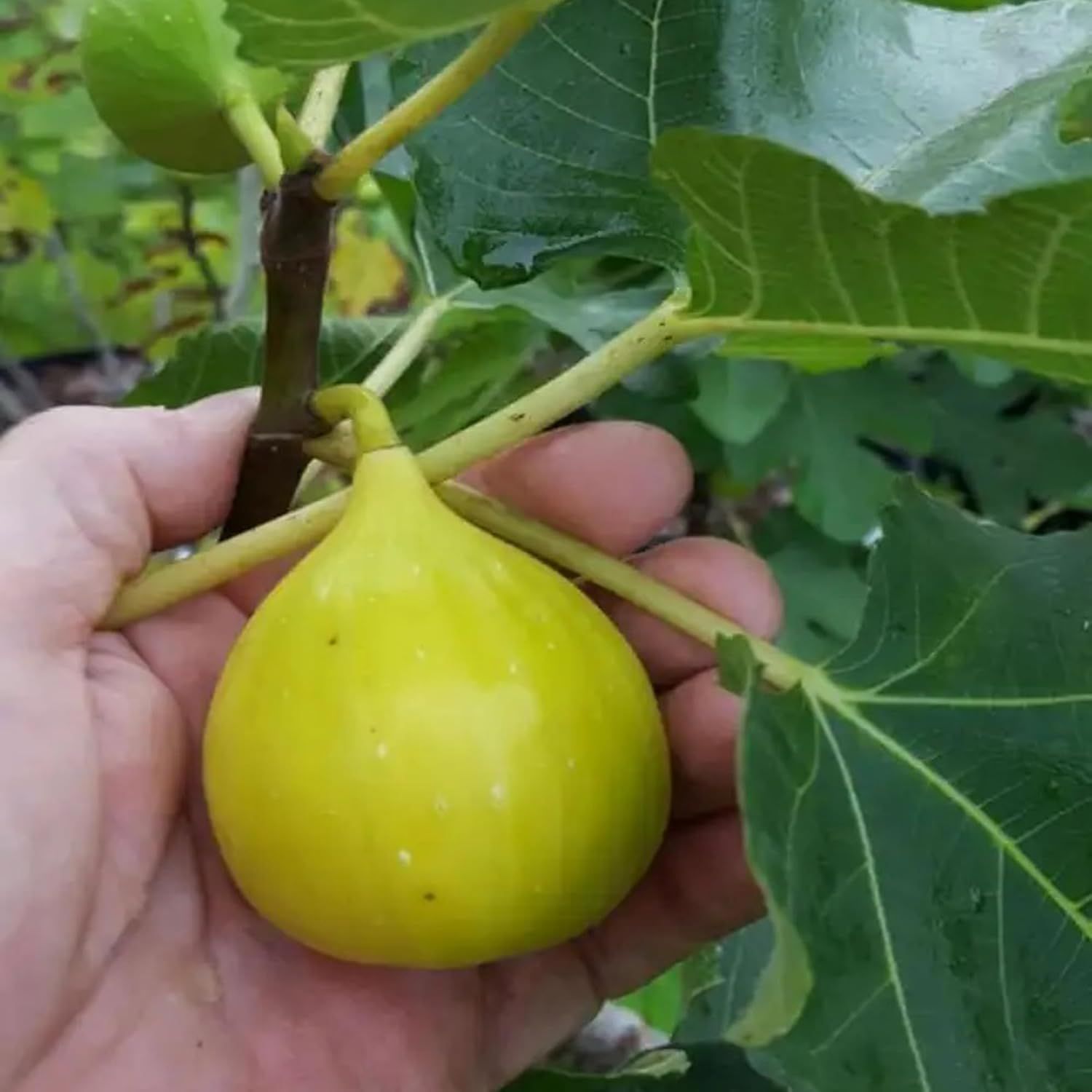

Anjeer Yellow Excel Variety Fig Fruit (Air Layering/Grafted) Plants & Tree(1-2 Feet Size) - Tapobon
SKU : TAPOBON-N242
Brand : TAPOBON
Sold By : TAPOBON
₹478 ( 57% OFF )
MRP ₹1,122 Inclusive of all taxes
50 item left in Stock
Features
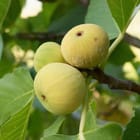
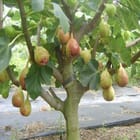
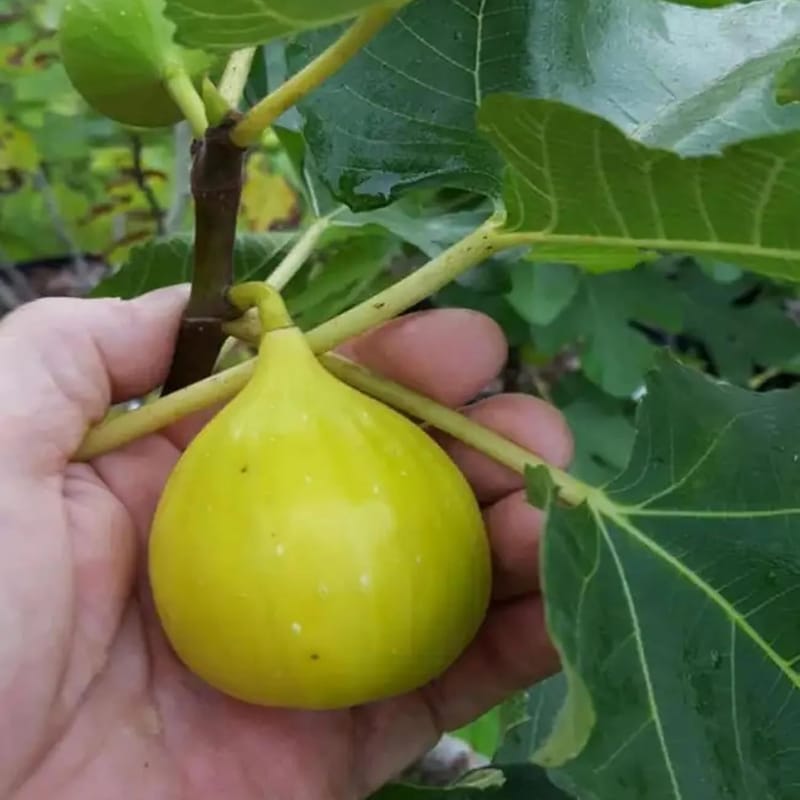
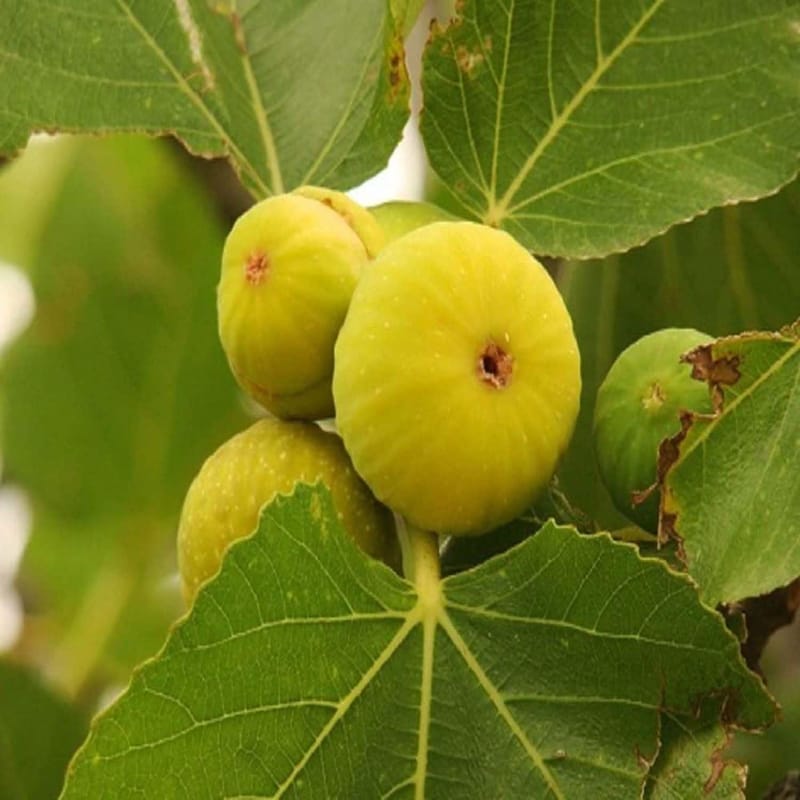
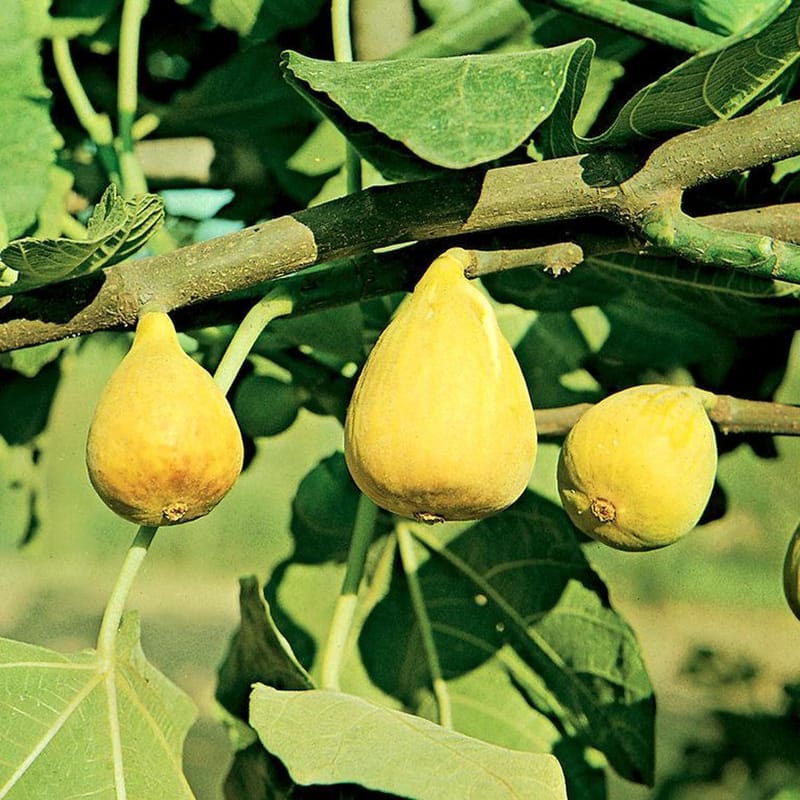
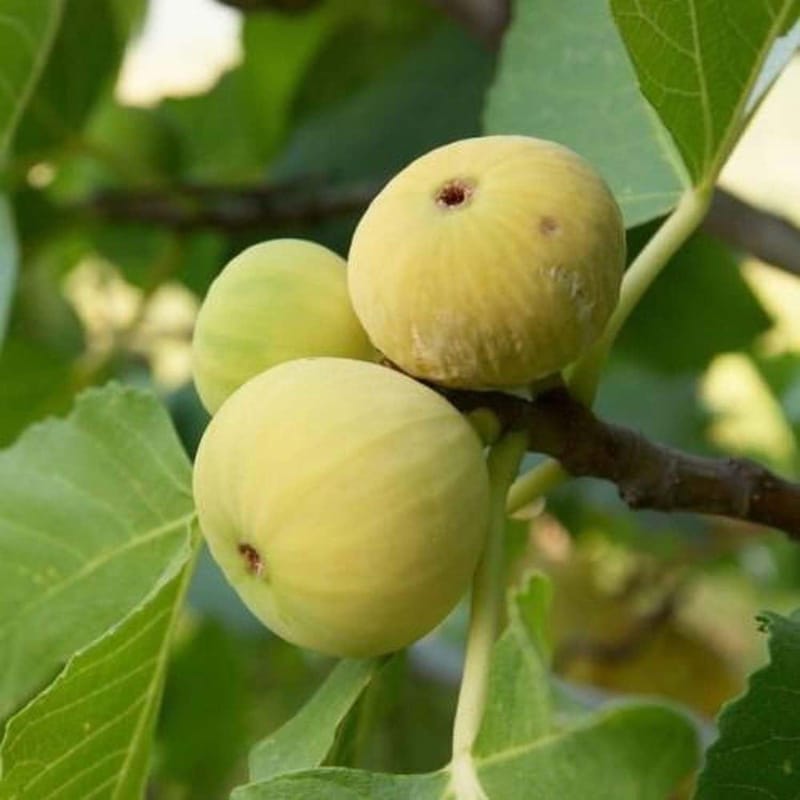
- This yellow fig variety, a Kadota Hybrid, produces medium-to-large fruit with light greenish-yellow skin, sweet honey flavor, rich amber pulp, and strong resistance to splitting.
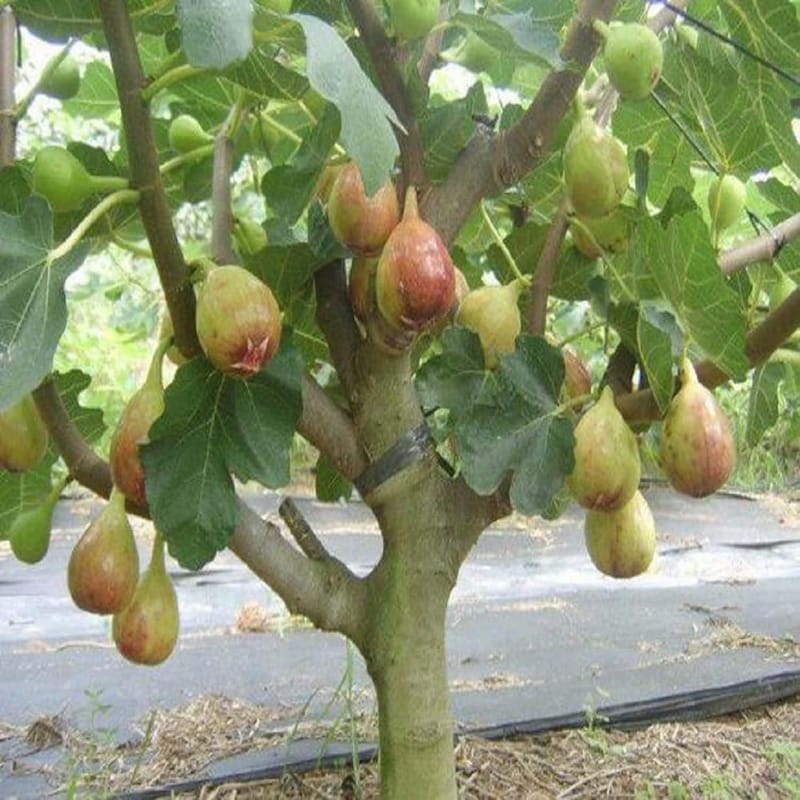
- Ideal for container gardening as it can be pruned to a smaller size and is self-pollinating.
- Using a secure paper core packing method for shipping plants.which help ventilating the plant during transit.
COD (Cash On Delivery) Available
Delivery
Product Information
| # | Attribute | Value |
|---|---|---|
| 1. | brand | TAPOBON |
Plants are packed and shipped by Tapobon Nursery.
Anjeer Yellow Excel Variety Fig Fruit (Air Layering/Grafted) Plants & Tree
Product Features and Variety
The Fig tree (Ficus carica), commonly known as Anjeer, is a popular fruit-bearing tree known for its adaptability. This offering is an Air Layering/Grafted plant, a method used to encourage the tree to bear fruit earlier than seed-grown plants.
- Variety: Excel Fig (Yellow variety, a Kadota Hybrid).
- Type: Air Layering/Grafted Plant/Tree.
- Size: 1-2 Feet Height.
- Suitability: Thrives in a wide range of Indian climates and soil conditions. It is excellent for both in-ground planting and cultivation in large containers.
The Fruit: Excel Fig
The Excel fig is one of the most highly regarded yellow varieties, celebrated for its rich flavor and reliable production.
- Appearance: Medium to large-sized fruit with a light greenish-yellow skin.
- Flesh and Taste: Features a rich, syrupy amber-colored pulp with a distinctive and very sweet honey-type flavor.
- Harvest: This variety is known for producing two crops annually: a small, early 'breba' crop followed by a heavier main crop typically ripening in late summer to autumn.
- Durability: Highly resistant to cracking or splitting, making it an excellent all-purpose fig for fresh eating, drying, or preserves.
Essential Care Guide
Sunlight and Location
Figs are sun-loving plants that require plenty of light for optimal growth and abundant fruiting.
- Sunlight: Choose a location that receives full and direct sunlight, ideally 6 to 8 hours daily.
- Growth Habit: As a self-pollinating tree, it does not require a second plant for fruiting. The tree can be maintained at a smaller size with pruning, making it ideal for container gardening.
Watering and Soil
Figs prefer consistent moisture, particularly when young, but cannot tolerate waterlogged conditions.
- Soil: Plant in well-draining soil. A fertile mix rich in organic matter is recommended.
- Watering: Water regularly and deeply to keep the soil consistently moist, especially during its establishment period or hot, dry weather. Allow the top layer of soil to dry out between waterings to prevent root issues.
- Fertilization: For figs grown in containers, apply a balanced fruit tree fertilizer during the growing season (spring and summer) three to four times per year.
The secure paper core packing method used for shipping ensures the plant is protected and well-ventilated during transit, guaranteeing you receive a healthy, genuine variety plant.

Customer Review
Be the first to review this product