
Arecanut VTLAH -2 Vittal Hybrid-2 Variety Betel Nut Hybrid Dwarf Plants & Tree(1.5-3 Feet Size) - Tapobon
SKU : TAPOBON-N204
Brand : TAPOBON
Sold By : TAPOBON
₹328 ( 56% OFF )
MRP ₹747 Inclusive of all taxes
50 item left in Stock
Features
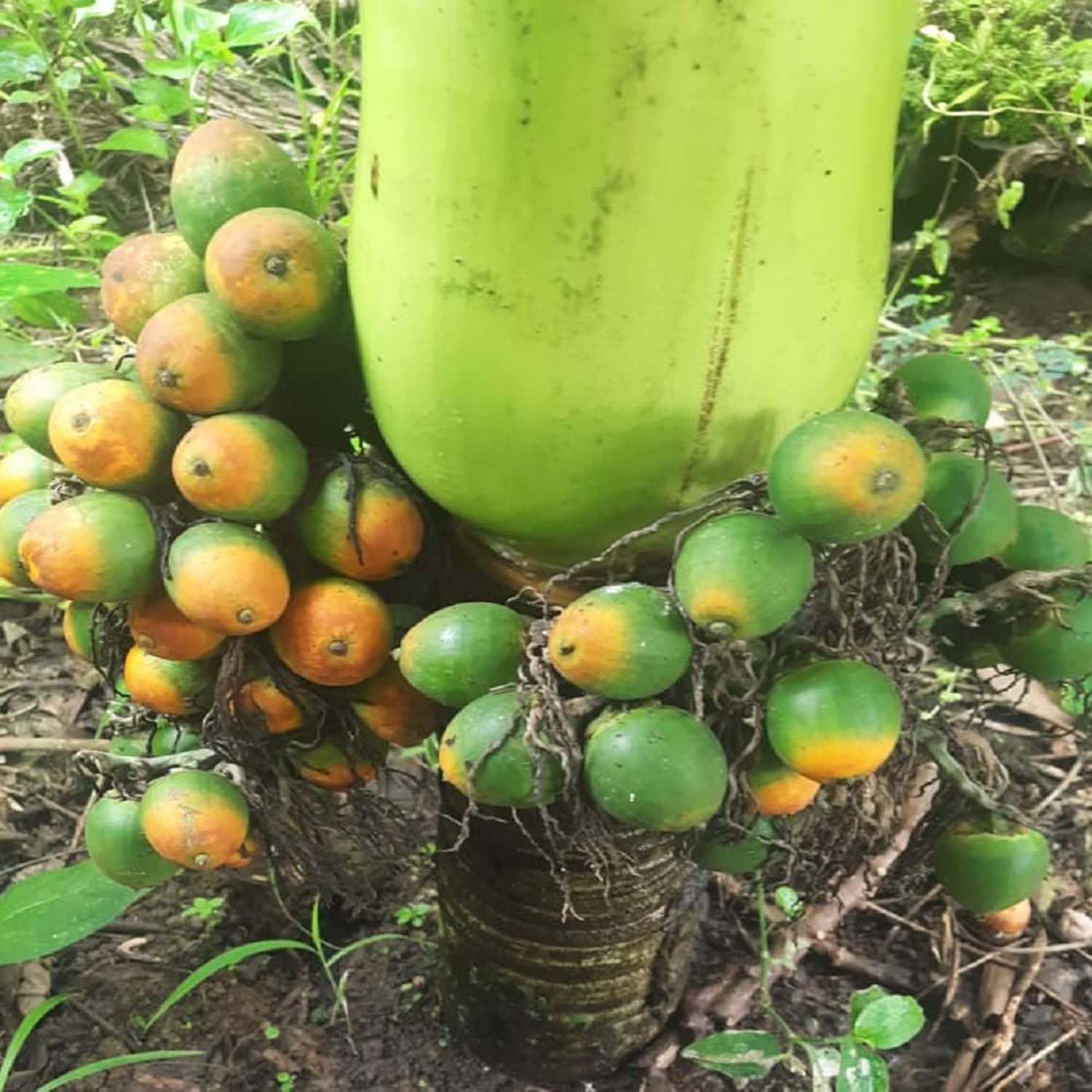
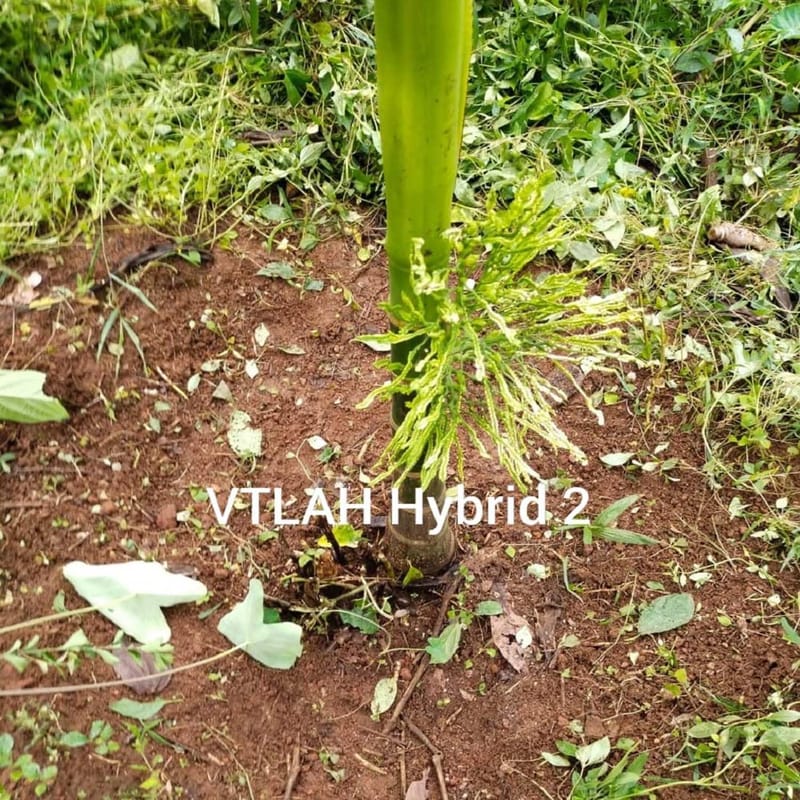
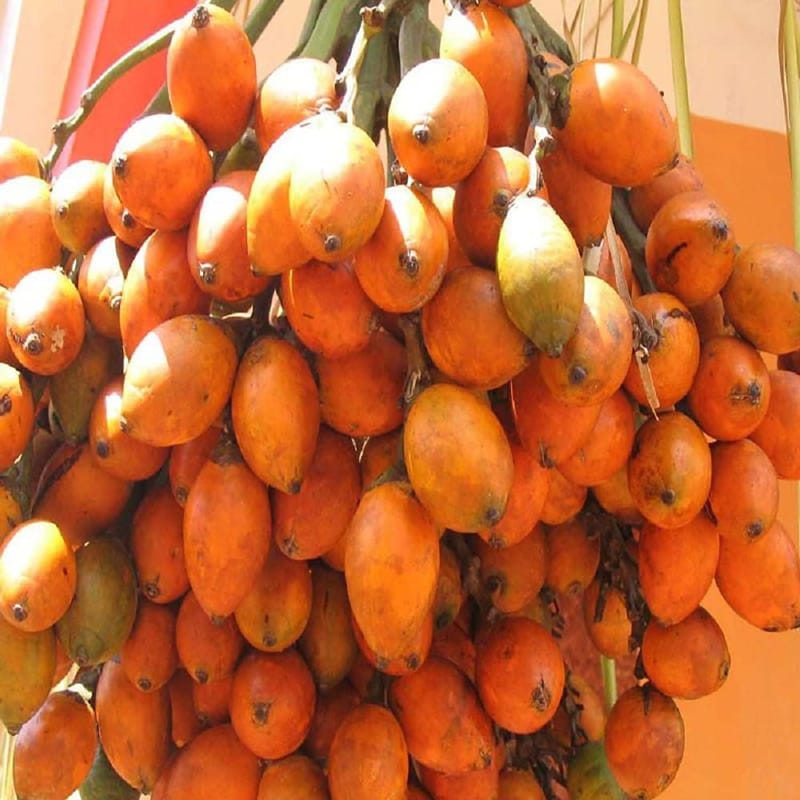
- A scientifically developed F1 hybrid dwarf palm featuring a sturdy stem, reduced canopy, and producing medium-sized, oval Betel Nuts.
- This dwarf hybrid is prized for its early yield stabilization and simplified harvesting.
- Using a secure paper core packing method for shipping plants.which help ventilating the plant during transit.
COD (Cash On Delivery) Available
Delivery
Product Information
| # | Attribute | Value |
|---|---|---|
| 1. | brand | TAPOBON |
Plants are packed and shipped by Tapobon Nursery.
Arecanut VTLAH -2 Vittal Hybrid-2 Variety Betel Nut Hybrid Dwarf Plant
Product Features and Variety
The Arecanut Palm (Areca catechu L.), commonly known as Betel Nut or Supari, is a vital tropical palm cultivated for its kernel. This offering is the VTLAH-2 (Vittal Arecanut Hybrid-2), a scientifically developed F1 hybrid specifically bred for its dwarf nature and high-yielding capacity, making it easier to manage and harvest in Indian climates.
- Hybrid Variety: VTLAH-2 is a cross between Hirehalli Dwarf (female parent) and Mohitnagar (male parent), officially released in 2007.
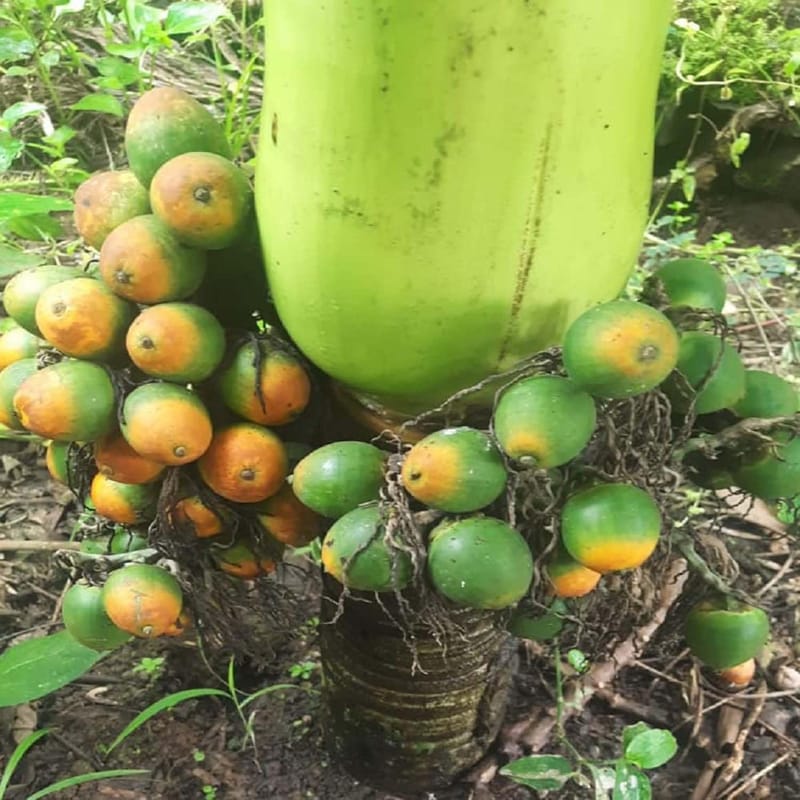
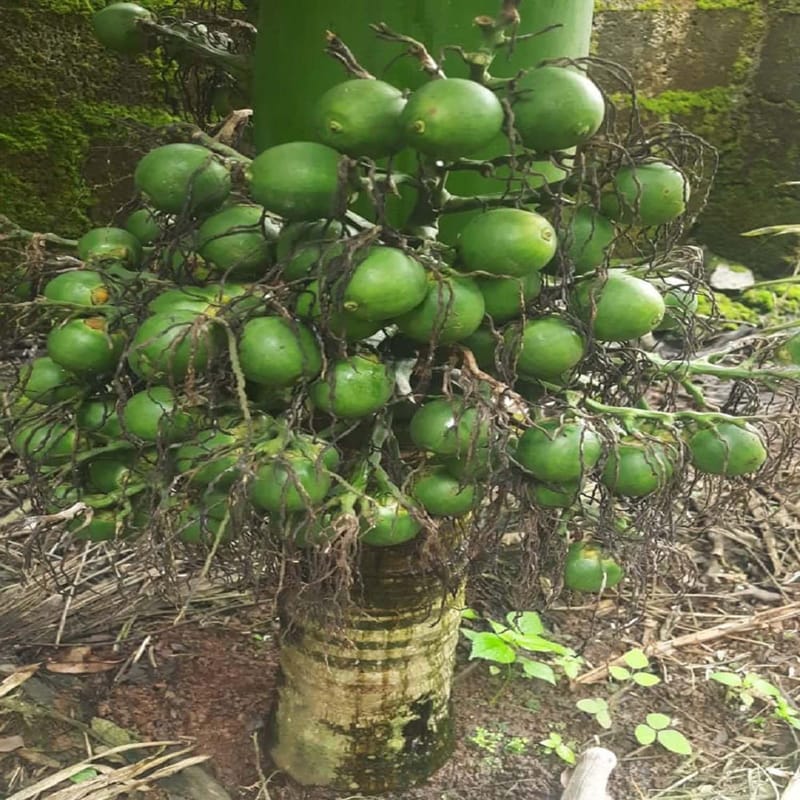
- Type: Dwarf Plant. The short stature and sturdy stem with superimposed nodes provide greater mechanical support and simplify operations like spraying and harvesting.
- Characteristics: Features a medium thick stem, reduced canopy size, and a drooping crown with well-spread leaves.
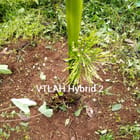
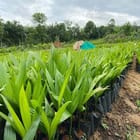
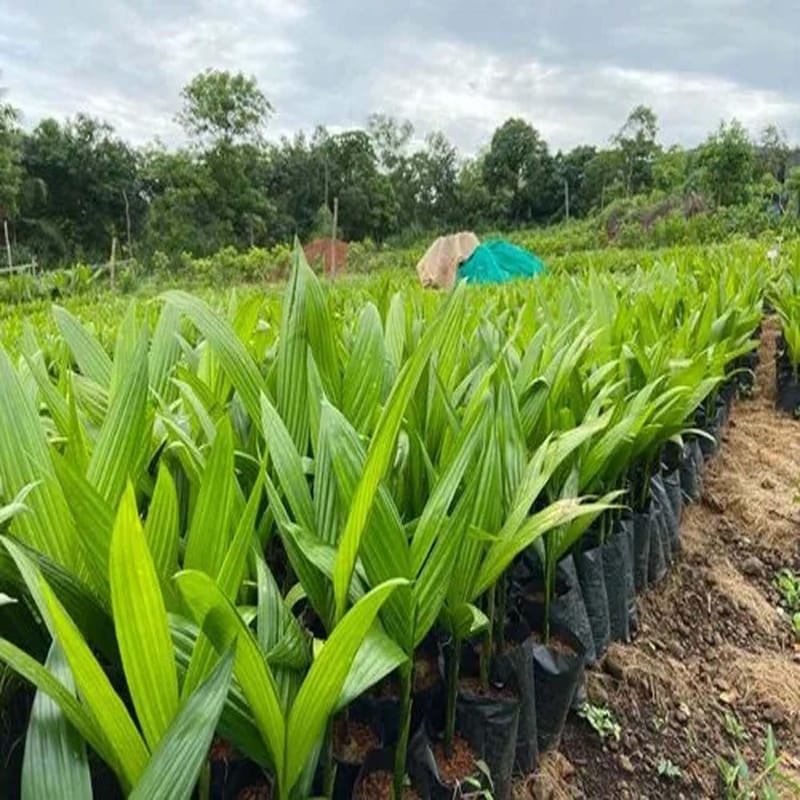
- Size: 1.5–3 Feet Height.
- Suitability: Recommended for cultivation in arecanut-growing regions of Karnataka and Kerala, thriving in moist tropical climates.
The Fruit: Vittal Arecanut Hybrid-2 (VTLAH-2)
This hybrid is prized for its consistent and early yield stabilization.
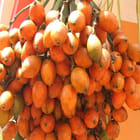
- Nut Description: It produces medium-sized, oval nuts.
- Yield Potential: The palm is known for early stabilization in yield and a high recovery of 'chali' (dry kernel), with an average chali yield of 2.64 kg per palm annually.
- Fruiting: The plant is known to start flowering within 3 years after planting.
Essential Care Guide for Indian Climates
Sunlight and Climate Needs
The Arecanut Palm is a tropical plant that requires the right balance of sun exposure to thrive.
- Sunlight: Requires full sun to partial shade for optimal growth. Young palms must be protected from direct, hot afternoon sun or scorching, which can cause damage.
- Climate: Grows best in warm, humid conditions and needs protection from heavy winds.
Watering and Soil
Proper drainage and consistent moisture are crucial for the health of the Arecanut palm.
- Soil: Plant in deep, well-drained soil, such as loamy soil, with a good depth. Avoid sticky clay, sandy, or calcareous soils, and any location prone to waterlogging, as this can be fatal to the palm.
- Watering: Water regularly and adequately to ensure the soil remains moist. The palm does not withstand either waterlogging or drought, so irrigation is essential during dry spells.
The secure paper core packing method used for shipping ensures the plant is protected and well-ventilated during transit, ensuring you receive a healthy, genuine variety plant.


Customer Review
Be the first to review this product