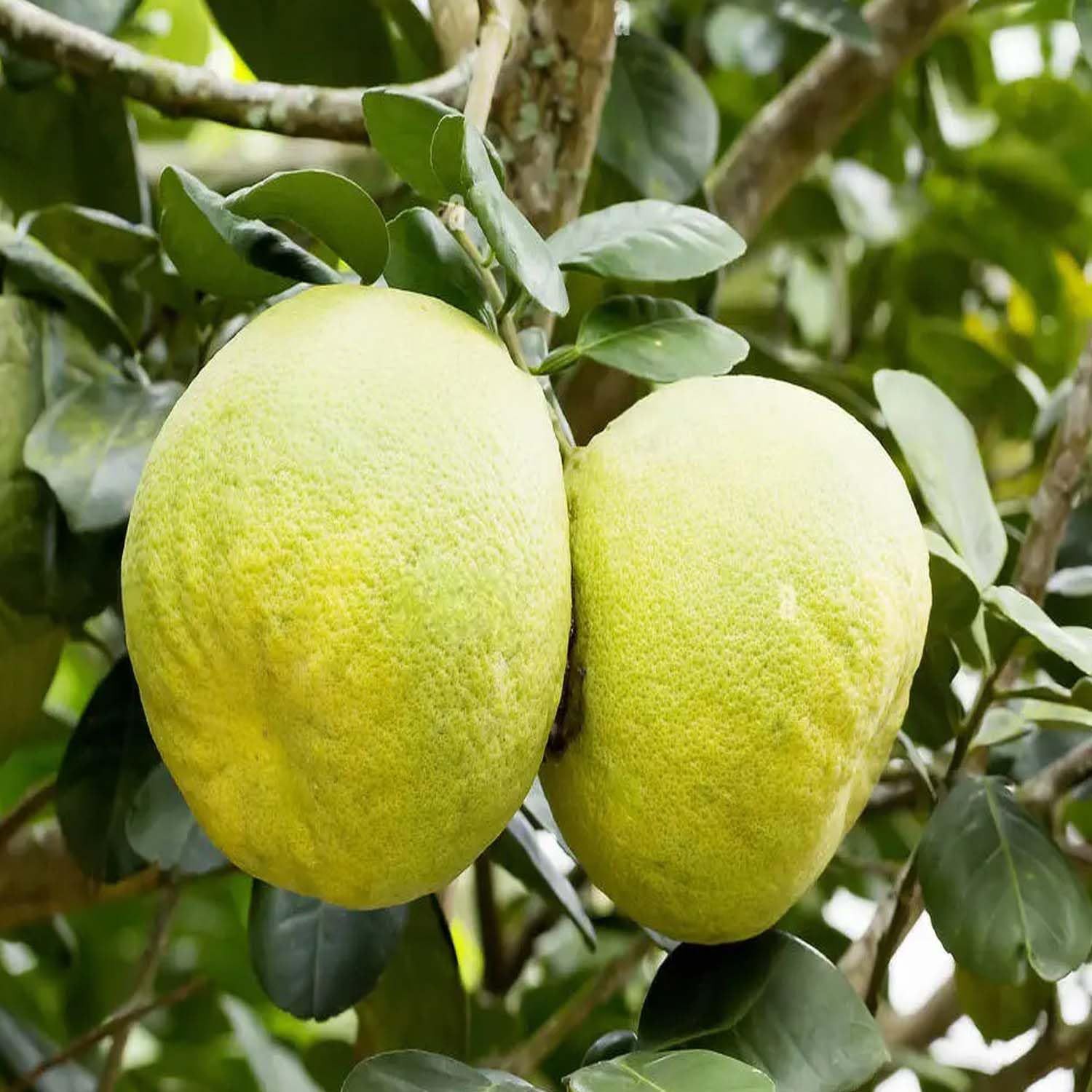



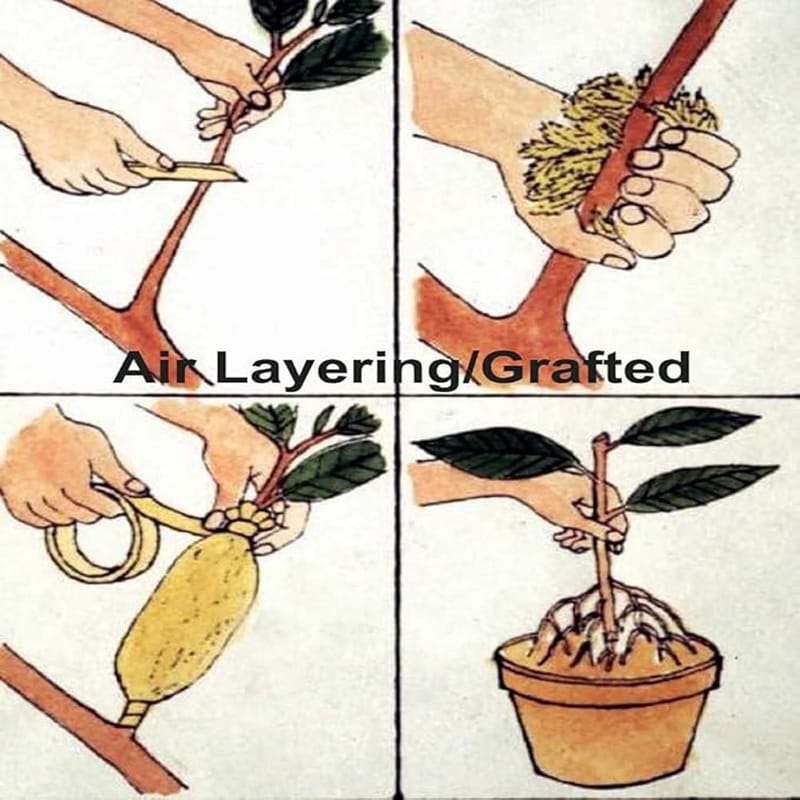
Assembly Pomelo Grapefruit Jambura Gaint Chakotra Batabi Lebu kambili Naranga Fruit (Air Layering/Grafted) Plants & Tree(1.5-3 Feet Size) - Tapobon
SKU : TAPOBON-N271
Brand : TAPOBON
Sold By : TAPOBON
₹428 ( 57% OFF )
MRP ₹997 Inclusive of all taxes
50 item left in Stock
Features
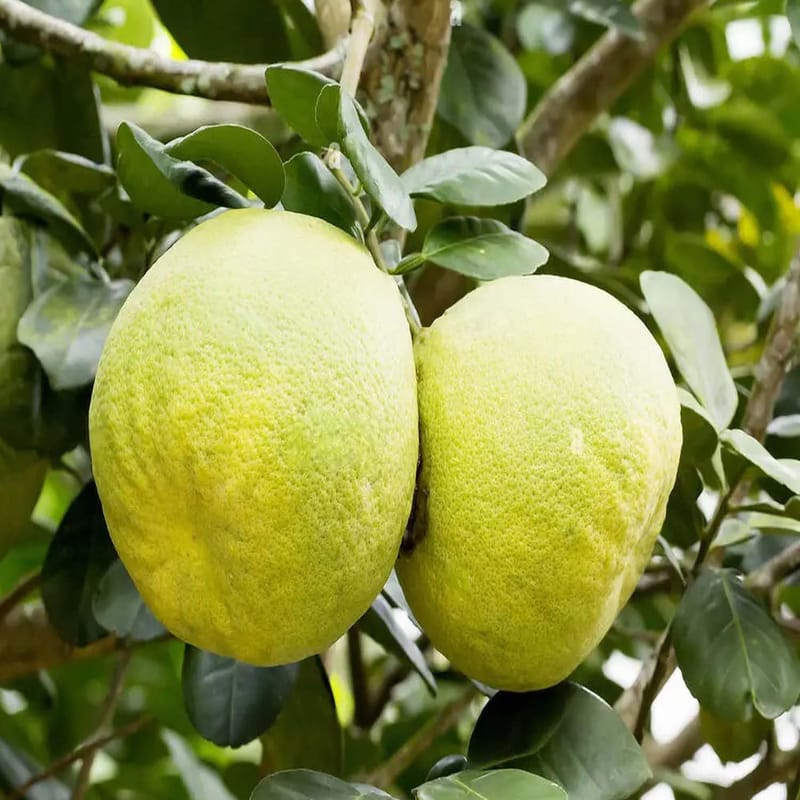
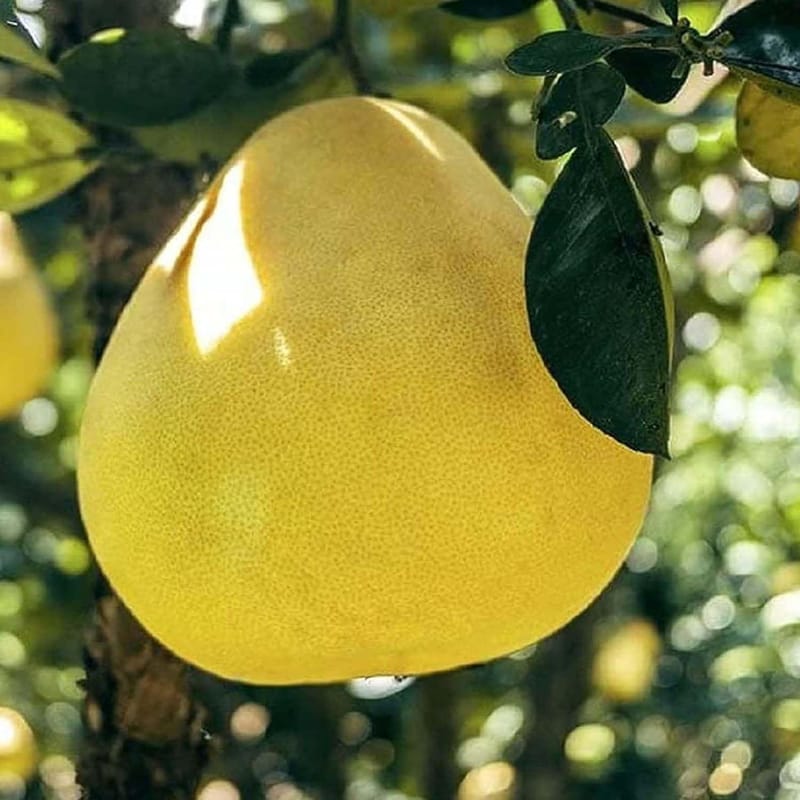
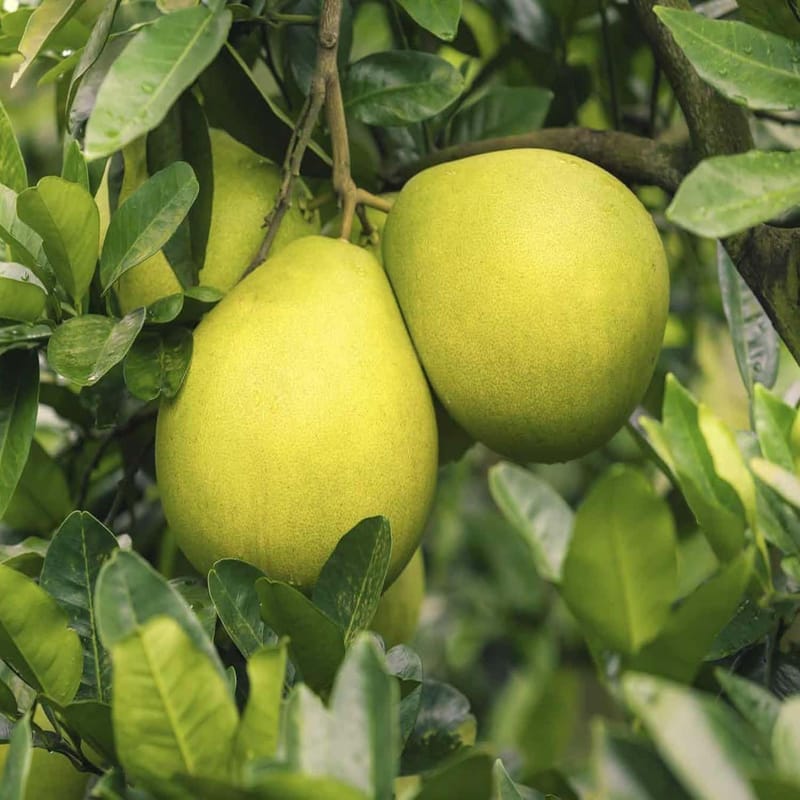
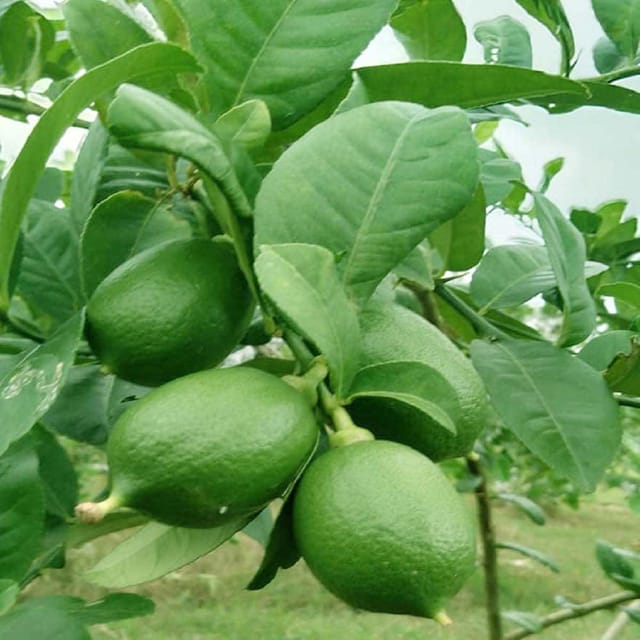
- A massive, thick-skinned fruit with sweet, mildly tangy pink flesh and a pleasant floral aroma, renowned as the largest non-hybrid citrus.
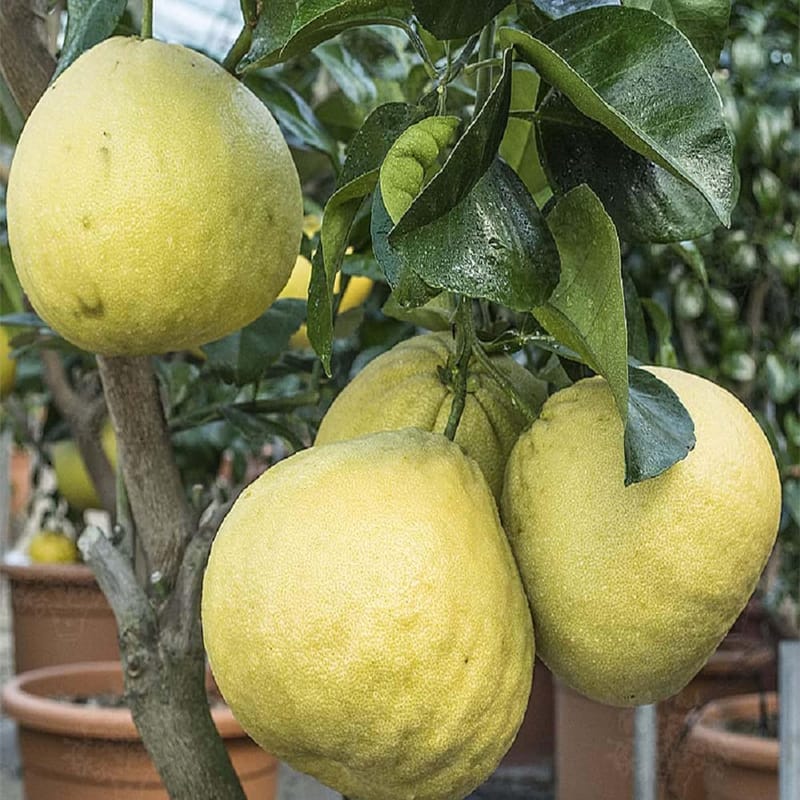
- This grafted Pomelo variety is suitable for container gardening and can thrive in almost all Indian climates and soil types.
- Using a secure paper core packing method for shipping plants.which help ventilating the plant during transit.
COD (Cash On Delivery) Available
Delivery
Product Information
| # | Attribute | Value |
|---|---|---|
| 1. | brand | TAPOBON |
Plants are packed and shipped by Tapobon Nursery.
Assembly Pomelo (Chakotra/Batabi Lebu) Fruit Plant
Product Features and Variety
The Pomelo tree (Citrus maxima) is a cherished, evergreen citrus fruit tree. This specific offering is propagated through Air Layering or Grafting, a technique that ensures the plant retains the desirable characteristics of the parent tree and promotes earlier, more reliable fruiting compared to seed-grown plants.
- Variety: Assembly Pomelo, commonly known as Jambura, Chakotra, or Batabi Lebu.
- Type: Air Layering/Grafted Plant/Tree. Grafted plants generally bear fruit earlier.
- Size: Approximately 1.5–3 Feet Height.
- Suitability: Can grow successfully in almost all Indian climates and soil types. Ideal for both ground planting and large container gardening.
The Fruit: Assembly Pomelo
The Pomelo is the largest Asian citrus fruit, closely related to the grapefruit. This variety is highly regarded for its unique qualities:
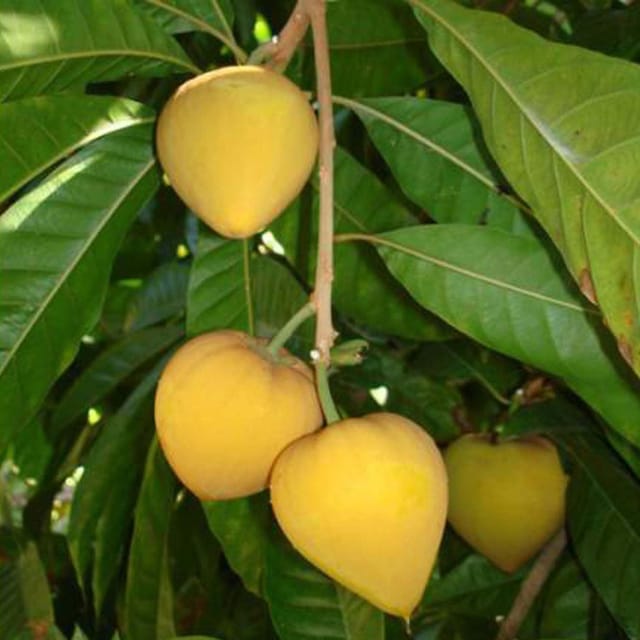
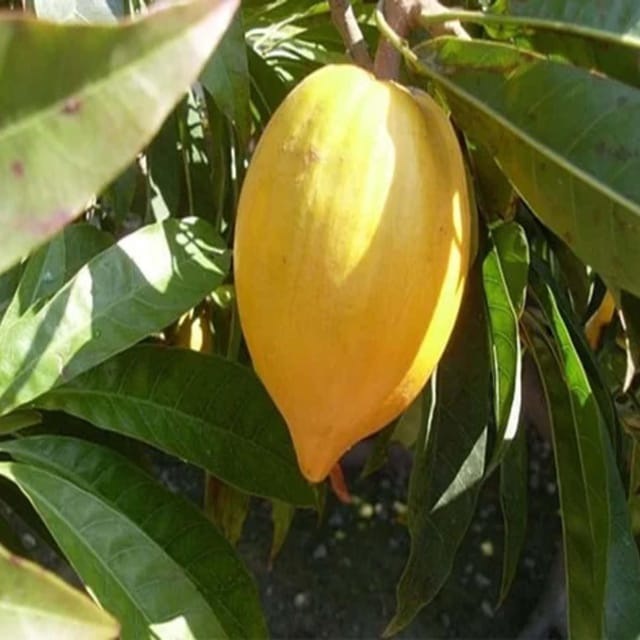
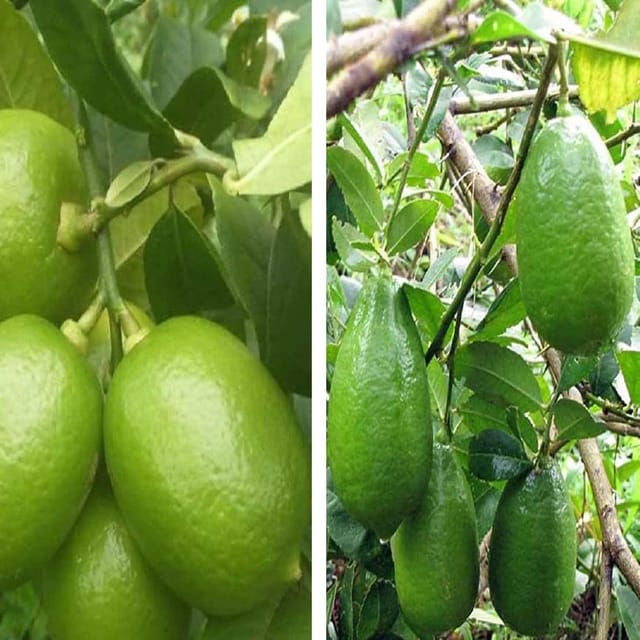
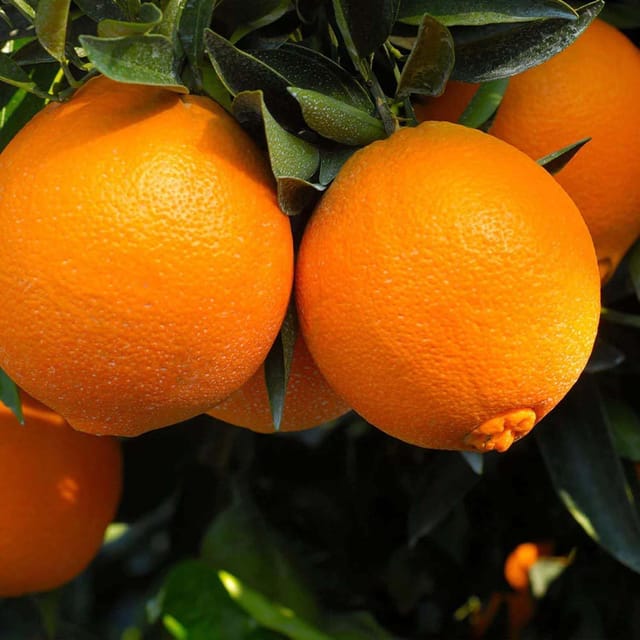
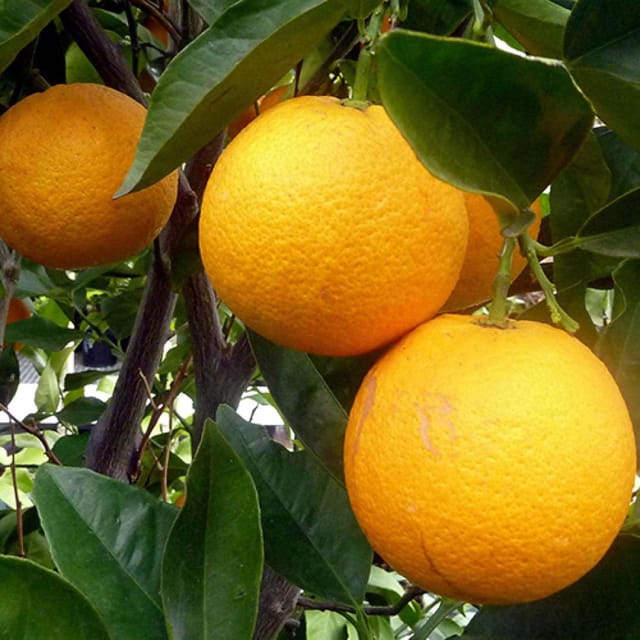
- Appearance: Large, teardrop-shaped fruit with a thick, pale rind, and a distinctive yellow skin and pink flesh.
- Taste: It offers a sweet, mildly tangy flavor profile, making it significantly sweeter than a typical grapefruit.
- Culinary Use: The flesh is segmented and excellent for fresh consumption, fruit salads, and traditional desserts.
Essential Care Guide for Indian Climates
Sunlight Needs
- Sunlight: The Pomelo tree is a sun-loving plant that requires abundant light for optimal health and fruiting. Choose a location that receives full sun (at least 6 hours of direct light per day).
Watering and Soil
- Soil: Plant in well-draining soil. Citrus trees prefer a slightly acidic to neutral, loamy soil mix.
- Watering: Water regularly and consistently, especially during dry periods. Allow the top layer of soil to dry out between waterings to prevent root rot, but avoid long periods of complete dryness.
- Packaging: The secure paper core packing method used for shipping ensures the plant is protected and well-ventilated during transit.
Customer Review
Be the first to review this product