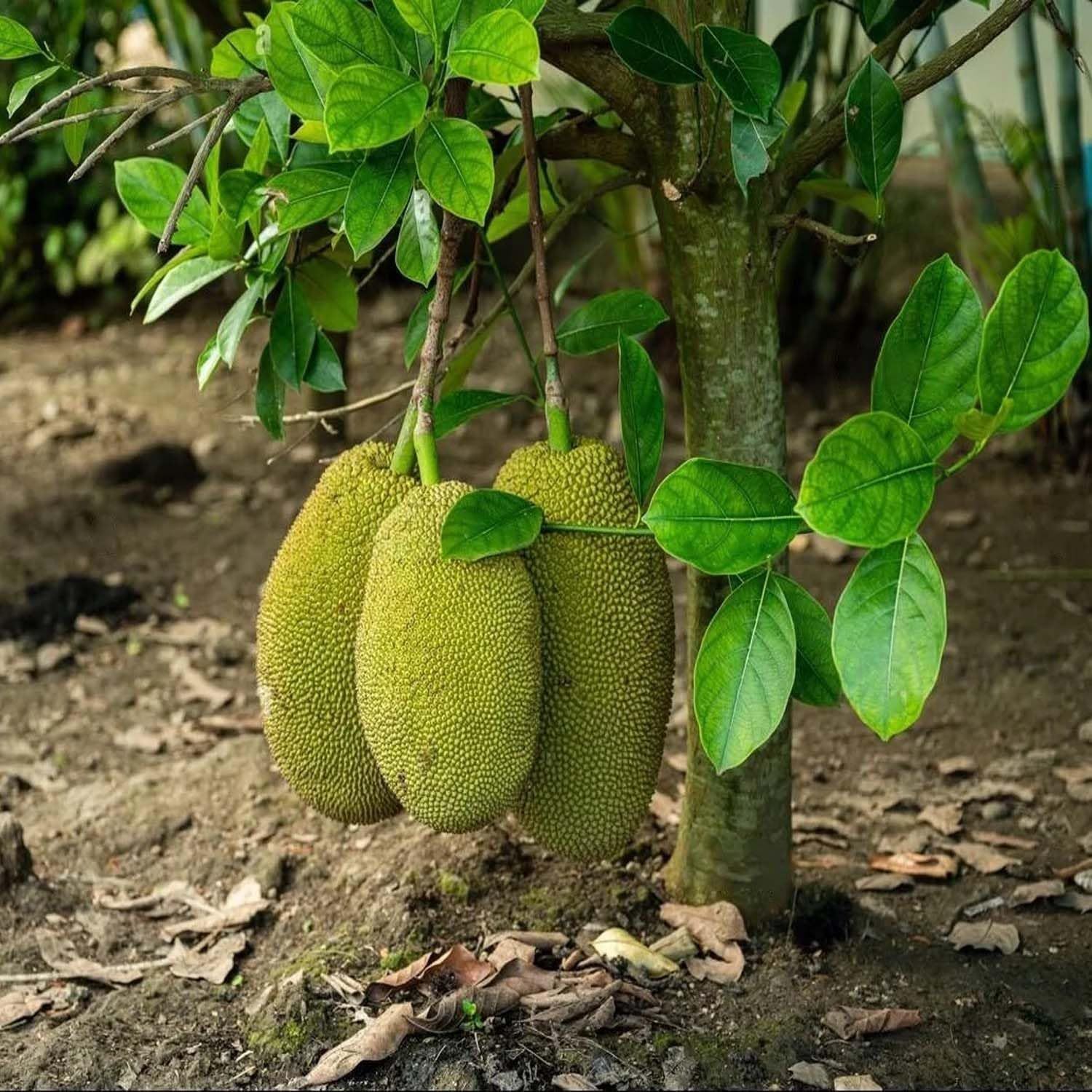

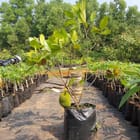
Jackfruit Vietnam Super Early 1 Year Fruiting Varikka Katahal Panasa Chakka variety Grafted Fruit Plants & Tree(1.5-3 Feet Size) - Tapobon
SKU : TAPOBON-N172
Brand : TAPOBON
Sold By : TAPOBON
₹499 ( 59% OFF )
MRP ₹1,247 Inclusive of all taxes
60 item left in Stock
Features
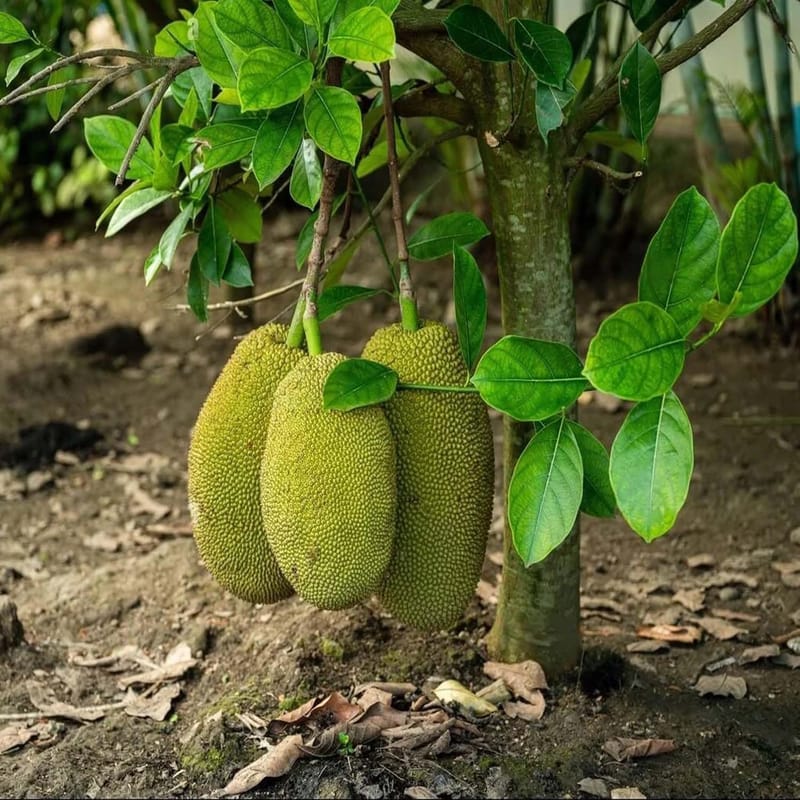
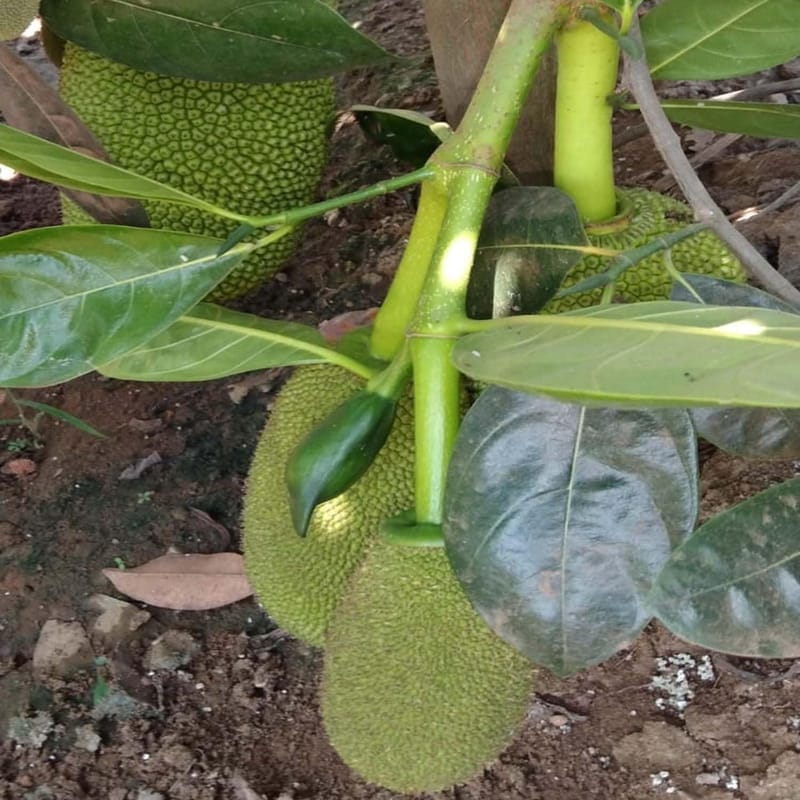
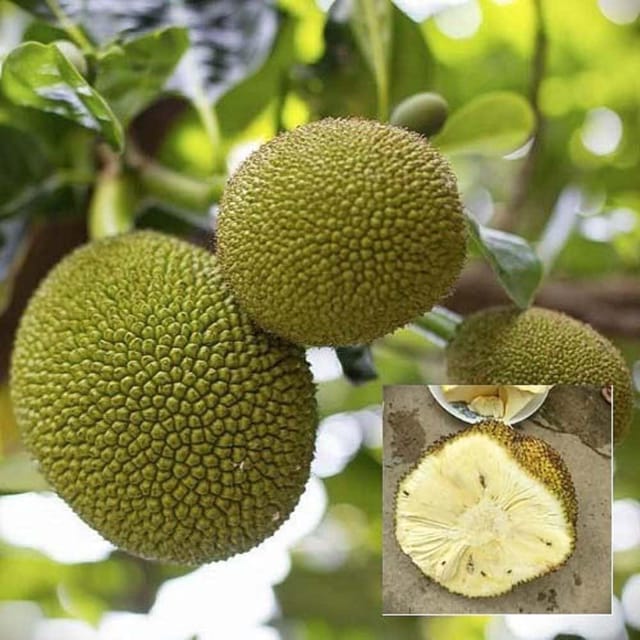
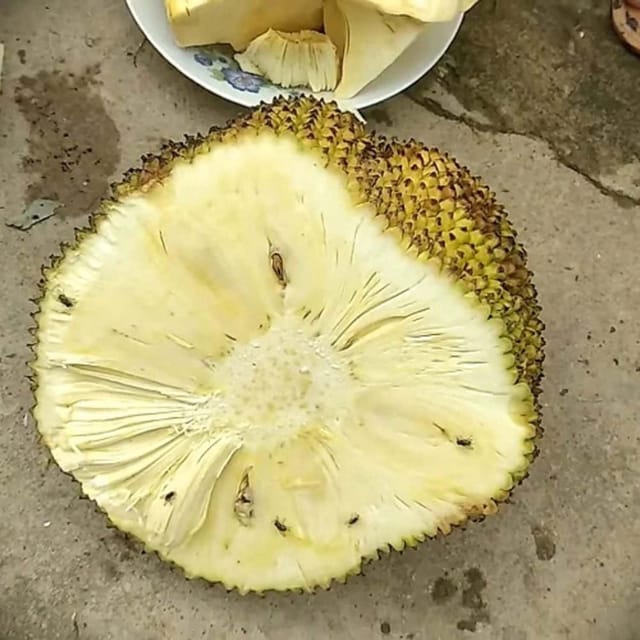
- This 'One-Year Jackfruit Tree' variety yields medium-sized fruit featuring sweet, firm, golden-yellow flesh with low sticky latex.
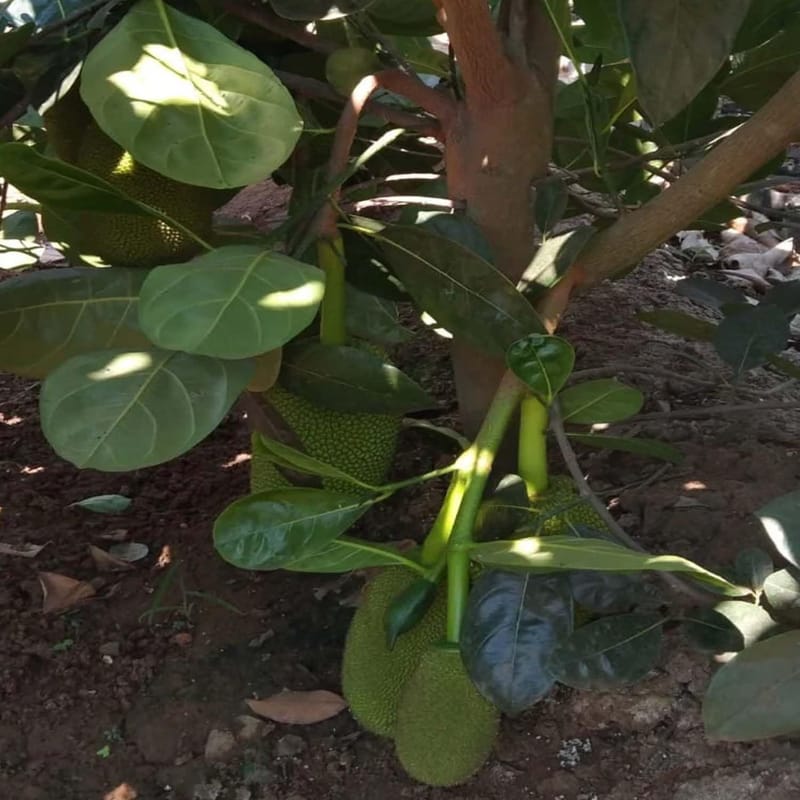
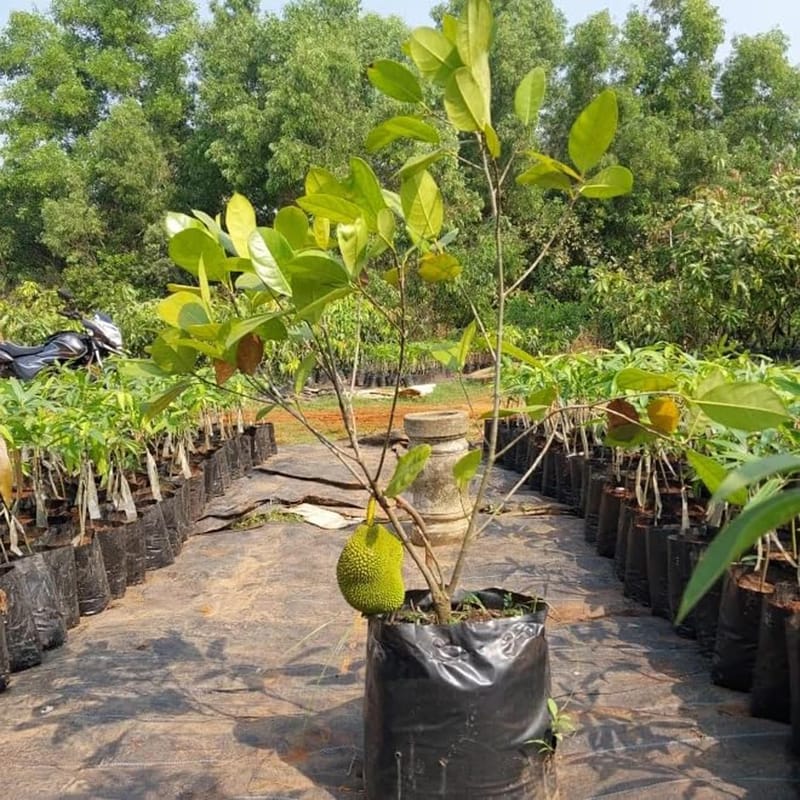
- Known as the 'One-Year Jackfruit Tree,' this grafted variety is prized for its exceptionally fast fruiting, often within 1-1.5 years.
- Using a secure paper core packing method for shipping plants.which help ventilating the plant during transit.
COD (Cash On Delivery) Available
Delivery
Product Information
| # | Attribute | Value |
|---|---|---|
| 1. | brand | TAPOBON |
Plants are packed and shipped by Tapobon Nursery.
Jackfruit Vietnam Super Early (Varikka Katahal Panasa Chakka) Grafted Fruit Plant
Product Features and Variety
The Jackfruit (Artocarpus heterophyllus) is a celebrated tropical fruit tree. This offering is the Vietnam Super Early variety, which is a grafted plant renowned for its exceptionally fast fruiting, often earning it the name 'One-Year Jackfruit Tree'. This makes it highly suitable for home gardens, terrace gardening, and commercial farming across India's tropical and subtropical climates.
- Variety: Vietnam Super Early, a high-yielding, small-to-medium-sized tree (up to 5-8 meters mature height) with upright, vigorous growth.
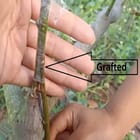
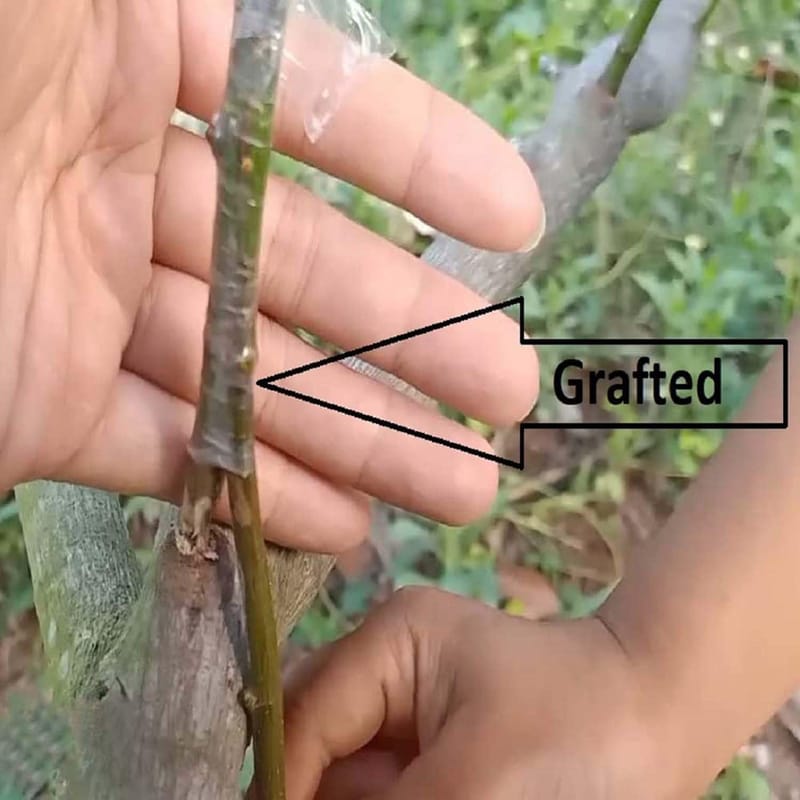
- Propagation Method: Grafted Plant/Tree. Grafting ensures the plant is true-to-type, provides a faster first harvest (often within 1-1.5 years), and consistent fruit quality.
- Size: 1.5–3 Feet Height.
- Fruiting Habit: Early fruiting, bearing fruit twice a year (typically around September to December and May to June).
- Suitability: Thrives in almost all Indian climates and well-suited for cultivation in both the ground and large pots/barrels.
The Fruit: Sweet and Aromatic Jackfruit
The fruit of the Vietnam Super Early variety is highly prized for its superior qualities:
- Texture and Taste: Features a sweet, fragrant, golden-yellow flesh with a thick, firm texture and low sticky latex content.
- Size: Fruits are typically medium-sized (often 7–10 kg), which makes them easier to handle and transport compared to very large varieties.
- Culinary Use: Delicious when eaten raw at both the mature and ripe stages. The carbohydrate-rich pulp of immature fruit is commonly used as a vegetable, while ripe fruit is perfect for desserts and fresh consumption.
Essential Care Guide for Indian Climates
Sunlight Needs
The Jackfruit tree is a sun-loving plant and requires ample light for healthy growth and fruit production.
- Sunlight: Requires full and direct sunlight (a minimum of 6–8 hours a day) for optimal growth. It can tolerate partial sun.
Watering and Soil
The plant thrives in moist, well-drained conditions.
- Soil: Plant in well-draining, fertile soil rich in organic content. A loamy or sandy-loam soil with a slightly acidic pH (between 5.5 to 7.5) is ideal.
- Watering: Water regularly and moderately, maintaining consistent soil moisture, especially for young plants. Ensure the soil is not waterlogged, allowing the top soil to dry out between waterings.
- Fertilization: Use a balanced fertilizer during the growing seasons. Organic fertilizers like cow manure, compost, or neem cake are recommended.
- Pruning: Regular pruning is beneficial to maintain the tree's shape and remove dead or diseased branches, promoting overall plant health.
The secure paper core packing method used for shipping ensures the plant is protected and well-ventilated during transit, ensuring you receive a healthy, genuine variety plant.
Customer Review
Be the first to review this product