SellerWelcome to Paudhewale, India’s largest online marketplace dedicated entirely to gardening. Why limit your choices? We connect you with trusted, verified sellers nationwide to provide the widest variety of indoor and outdoor plants, exotic bonsai, and authentic grafted varieties. Explore thousands of products across every gardening category, from heavy-duty tools and organic soil mixes to decorative pots and seasonal bulbs. Enjoy the convenience of finding exactly what you need at the best prices, backed by safe, pan-India delivery. Buy plants online and build your dream garden today.https://seller.paudhewale.com/s/660a356584d1ac2391ae69de/69fc2a4a74e0f5685ffe6316/gemini_generated_image_xztyckxztyckxzty-480x480.png
Agam Kuan800007PatnaIN
Seller
Agam KuanPatna, IN
+917969513372https://seller.paudhewale.com/s/660a356584d1ac2391ae69de/69fc2a4a74e0f5685ffe6316/gemini_generated_image_xztyckxztyckxzty-480x480.png"[email protected]
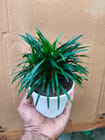
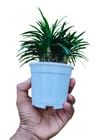
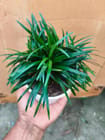
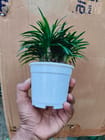
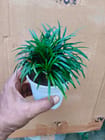
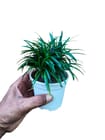
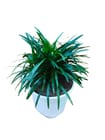
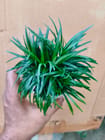
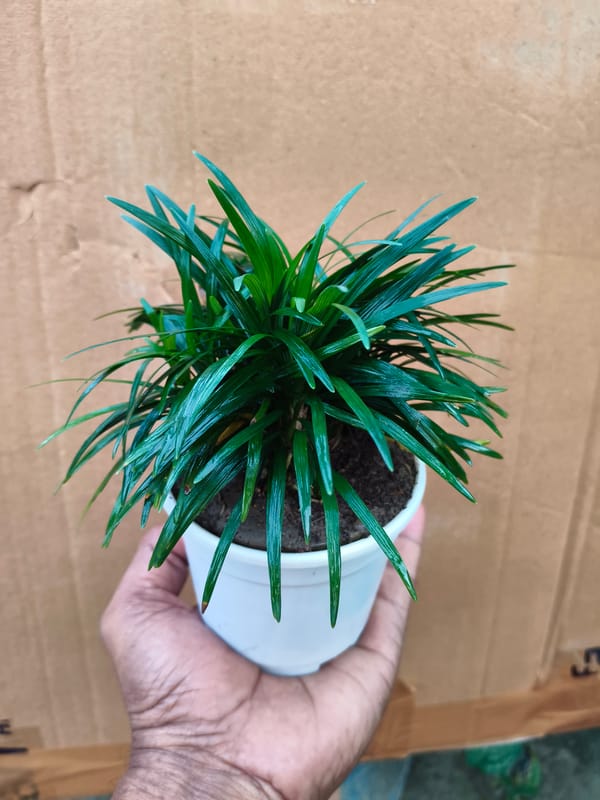
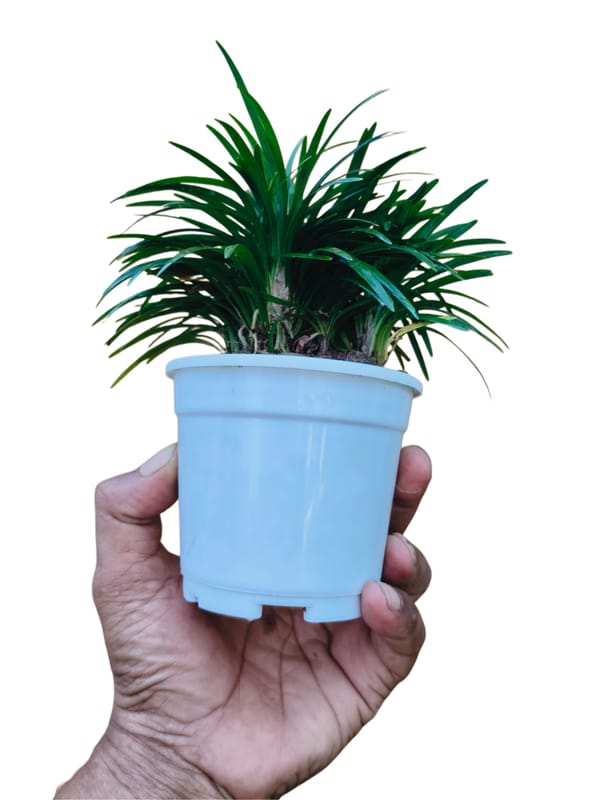
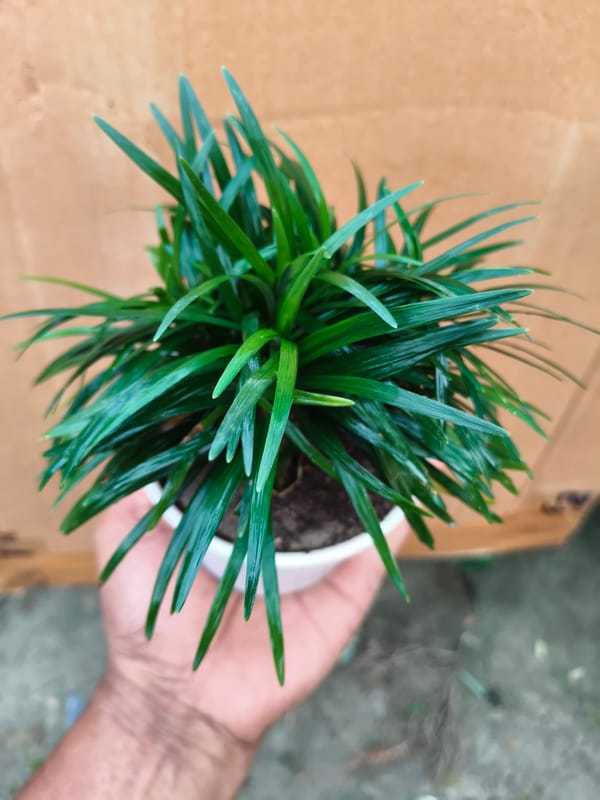
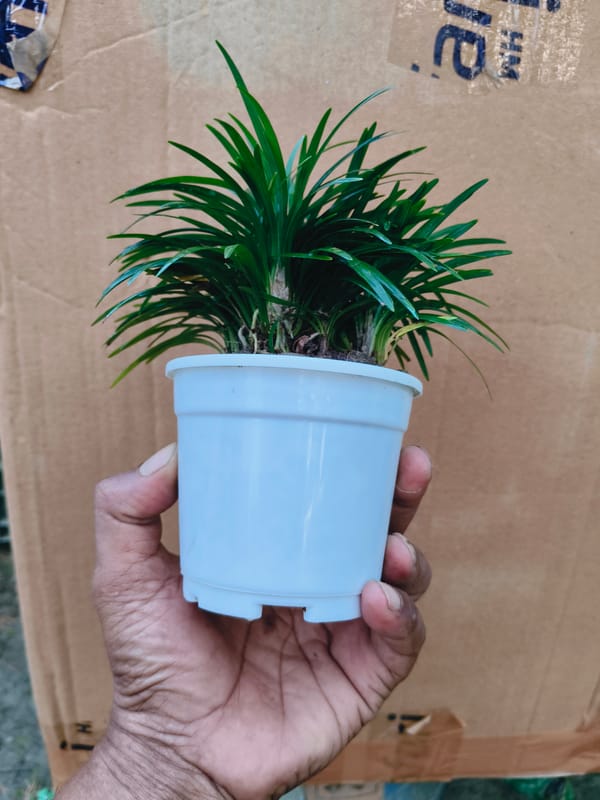
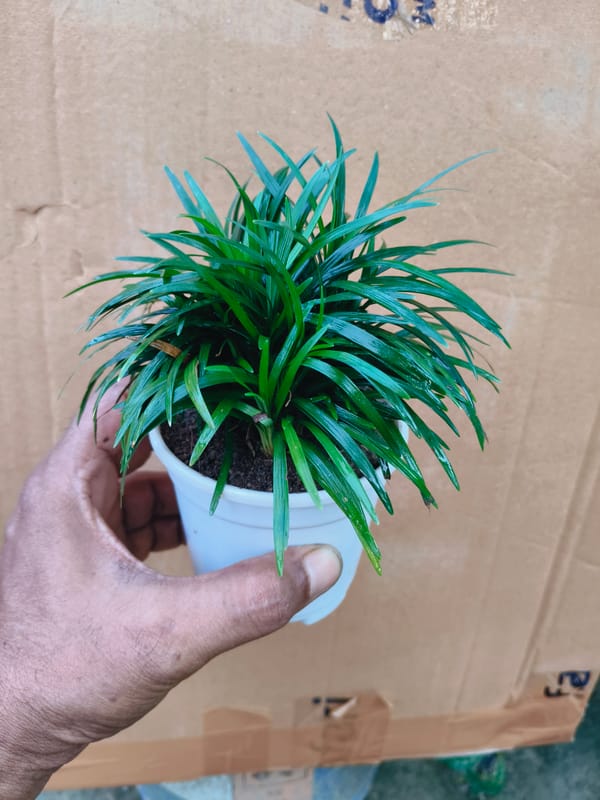
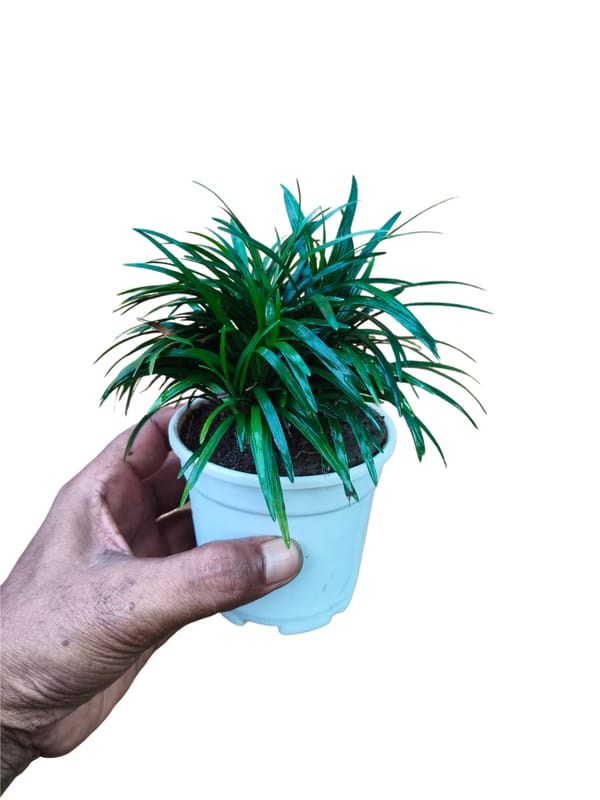
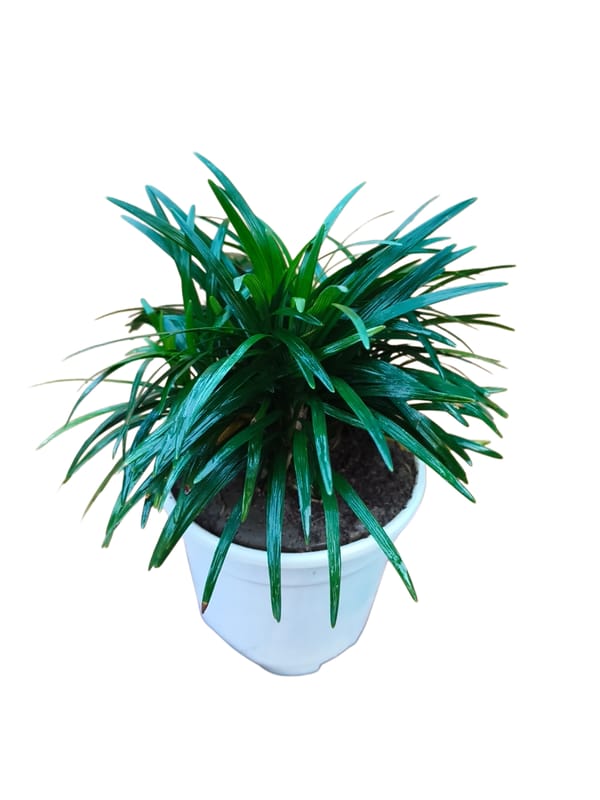
68d501a309b6de408e89b15cLemon Grass Plant | Pack of 2Lemon Grass Plant | Pack of 2

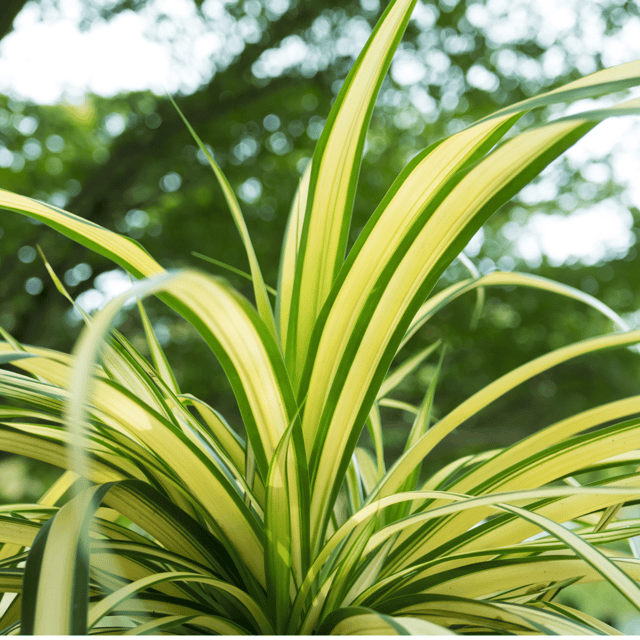
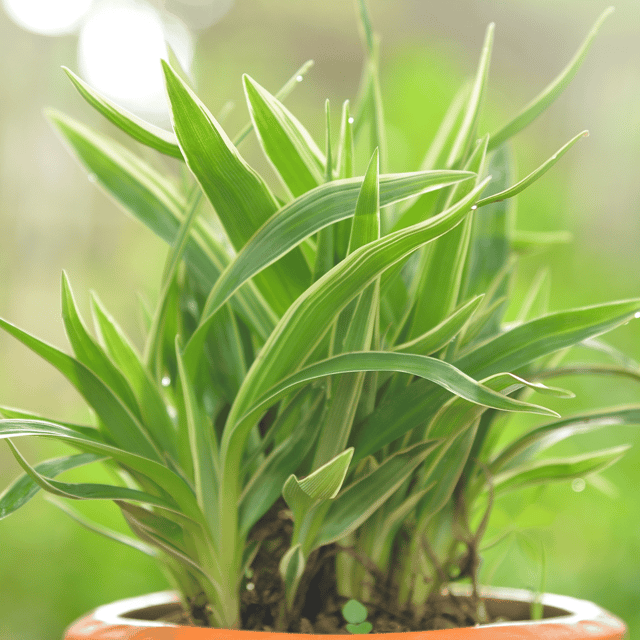
Lemongrass (Cymbopogon citratus), also known as West Indian lemongrass or citronella grass, is a tropical perennial herb that grows in tall, grassy clumps reaching 3-6 feet high and 3-4 feet wide. It features long, slender, coarse green leaves with a strong citrus scent and flavor, commonly used in Asian cuisine, teas, soups, sauces, aromatherapy, soaps, and candles.Native to Asia and thriving in subtropical or tropical climates, it's often grown as an annual in cooler regions and can resemble ornamental grasses in landscapes. Note that it's toxic to pets and propagates easily from existing stalks.

How to Plant

Lemongrass can be started from seeds, rooted stalks, divisions, or nursery plants. For seeds, sow them indoors 3 weeks before the last frost, about 1/16 inch deep in moist soil, and keep warm and humid (e.g., under a clear cover) for 10-14 days until germination.Transplant seedlings when they're 4-6 inches tall. To root stalks (e.g., from grocery stores), place fresh stems in 1-2 inches of water, change water every few days until roots and new leaves appear (1-2 weeks), then plant.Plant outdoors after the last frost when nighttime temperatures are consistently above 60°F, in well-drained, rich, loamy soil amended with compost or manure, with a pH of 6.5-7.0.Space plants 2-3 feet apart, burying bulbs so the bottoms sit at the soil line. Use pots (at least 12 inches wide) with quality potting mix for container growing.Avoid clay soils; add sand for better drainage if needed.

Where to Keep

Lemongrass thrives in full sun (at least 6 hours daily) and warm, humid conditions, ideally in USDA zones 10-11 where it can be perennial. In cooler climates (below zone 8-9), grow it in pots to move indoors during winter when temperatures drop below 50°F, placing in a bright, south-facing window or under grow lights.Outdoors, choose sheltered spots to protect from strong winds. It prefers moist, well-drained locations and can be grown hydroponically or on windowsills with adequate light and heat. In dry areas, mist regularly to mimic tropical humidity.

Caring Tips

Watering: Keep soil consistently moist but not waterlogged—water when the top inch is dry, typically 1-2 times weekly outdoors or daily in pots. Use mulch to retain moisture, and mist leaves for humidity in dry climates. Avoid overwatering to prevent brown, droopy leaves.

Fertilizing: Apply a nitrogen-rich, slow-release fertilizer (e.g., NPK 6-4-0) at planting, then feed weekly during summer with a balanced, water-soluble option at half strength. Top-dress pots with compost or worm castings every 2 weeks; reduce to monthly in winter.

Pruning and Harvesting: Trim dead or diseased leaves regularly with clean pruners to encourage growth. Shear back to 6 inches at winter's end, or cut stalks to 4-6 inches when over 1 foot tall. Harvest by pulling outer stalks at the base.

Pests and Diseases: Monitor for spider mites (treat with insecticidal soap or neem oil), aphids, and rust fungus (water at soil level). Improve ventilation to prevent mold.

Other: Divide overcrowded clumps in spring. Protect from freezes below 15°F by overwintering indoors in a cool, dark spot or bright window, trimming back first.
LMNGRS25
INR428In Stock
GOGREEN NURSERY

Lemon Grass Plant | Pack of 2

SKU : LMNGRS25
Brand : GOGREEN NURSERY
₹428  ( 57% OFF )

MRP ₹1,000 Inclusive of all taxes

100 item left in Stock

COD (Cash On Delivery) Available

Delivery

Product Information

#AttributeValue
1. brandGOGREEN NURSERY

Lemongrass (Cymbopogon citratus), also known as West Indian lemongrass or citronella grass, is a tropical perennial herb that grows in tall, grassy clumps reaching 3-6 feet high and 3-4 feet wide. It features long, slender, coarse green leaves with a strong citrus scent and flavor, commonly used in Asian cuisine, teas, soups, sauces, aromatherapy, soaps, and candles.Native to Asia and thriving in subtropical or tropical climates, it's often grown as an annual in cooler regions and can resemble ornamental grasses in landscapes. Note that it's toxic to pets and propagates easily from existing stalks.

How to Plant

Lemongrass can be started from seeds, rooted stalks, divisions, or nursery plants. For seeds, sow them indoors 3 weeks before the last frost, about 1/16 inch deep in moist soil, and keep warm and humid (e.g., under a clear cover) for 10-14 days until germination.Transplant seedlings when they're 4-6 inches tall. To root stalks (e.g., from grocery stores), place fresh stems in 1-2 inches of water, change water every few days until roots and new leaves appear (1-2 weeks), then plant.Plant outdoors after the last frost when nighttime temperatures are consistently above 60°F, in well-drained, rich, loamy soil amended with compost or manure, with a pH of 6.5-7.0.Space plants 2-3 feet apart, burying bulbs so the bottoms sit at the soil line. Use pots (at least 12 inches wide) with quality potting mix for container growing.Avoid clay soils; add sand for better drainage if needed.

Where to Keep

Lemongrass thrives in full sun (at least 6 hours daily) and warm, humid conditions, ideally in USDA zones 10-11 where it can be perennial. In cooler climates (below zone 8-9), grow it in pots to move indoors during winter when temperatures drop below 50°F, placing in a bright, south-facing window or under grow lights.Outdoors, choose sheltered spots to protect from strong winds. It prefers moist, well-drained locations and can be grown hydroponically or on windowsills with adequate light and heat. In dry areas, mist regularly to mimic tropical humidity.

Caring Tips

Watering: Keep soil consistently moist but not waterlogged—water when the top inch is dry, typically 1-2 times weekly outdoors or daily in pots. Use mulch to retain moisture, and mist leaves for humidity in dry climates. Avoid overwatering to prevent brown, droopy leaves.

Fertilizing: Apply a nitrogen-rich, slow-release fertilizer (e.g., NPK 6-4-0) at planting, then feed weekly during summer with a balanced, water-soluble option at half strength. Top-dress pots with compost or worm castings every 2 weeks; reduce to monthly in winter.

Pruning and Harvesting: Trim dead or diseased leaves regularly with clean pruners to encourage growth. Shear back to 6 inches at winter's end, or cut stalks to 4-6 inches when over 1 foot tall. Harvest by pulling outer stalks at the base.

Pests and Diseases: Monitor for spider mites (treat with insecticidal soap or neem oil), aphids, and rust fungus (water at soil level). Improve ventilation to prevent mold.

Other: Divide overcrowded clumps in spring. Protect from freezes below 15°F by overwintering indoors in a cool, dark spot or bright window, trimming back first.
Related Products

Recently Viewed

Customer Review

Be the first to review this product
0/5
Rate this product!