
Rambutan E35 Variety Fruit Grafted Plants & Tree(1.5-3 Feet Size) - Tapobon
SKU : TAPOBON-N145
Brand : TAPOBON
Sold By : TAPOBON
₹928 ( 58% OFF )
MRP ₹2,247 Inclusive of all taxes
50 item left in Stock
Features
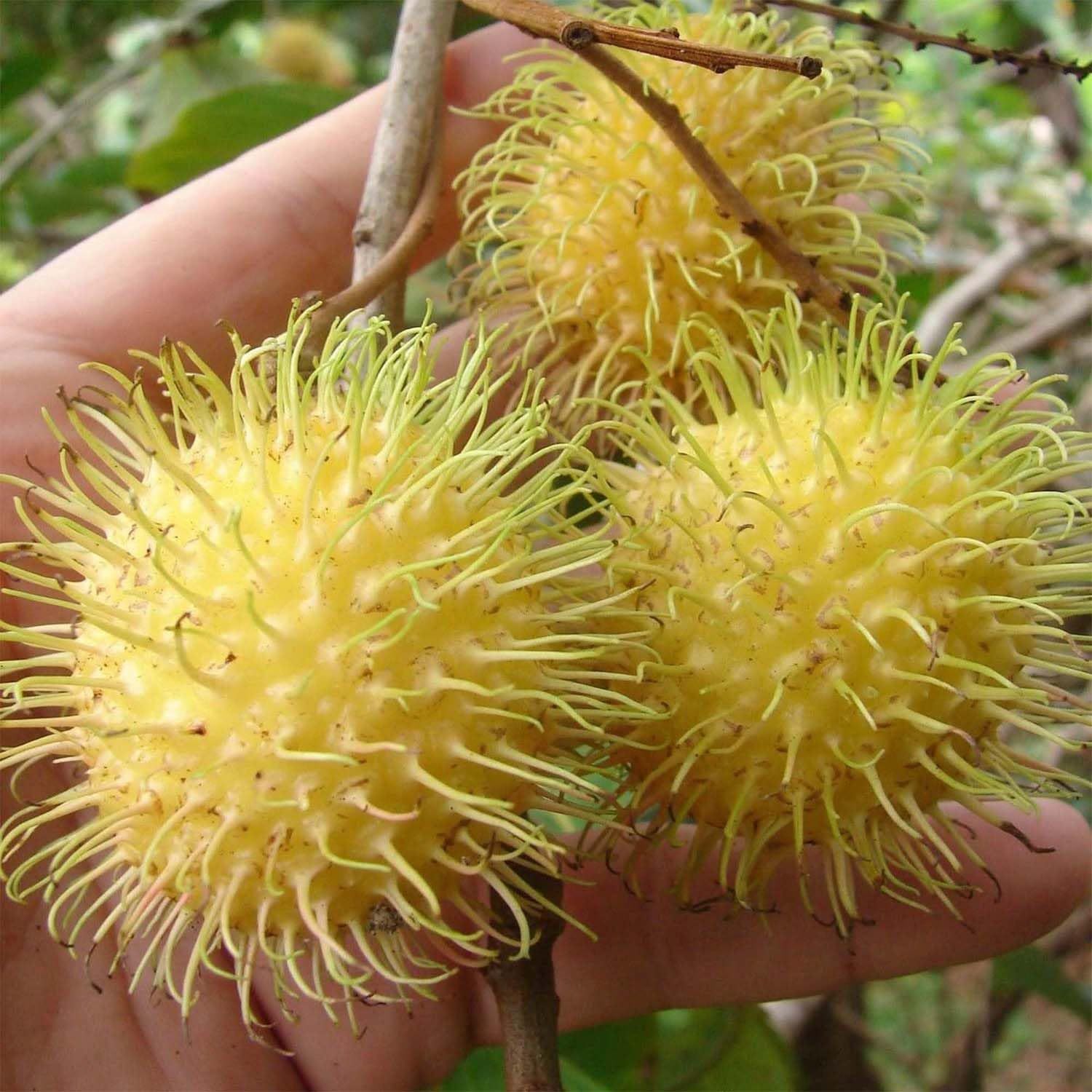
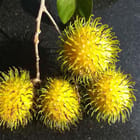
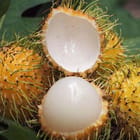
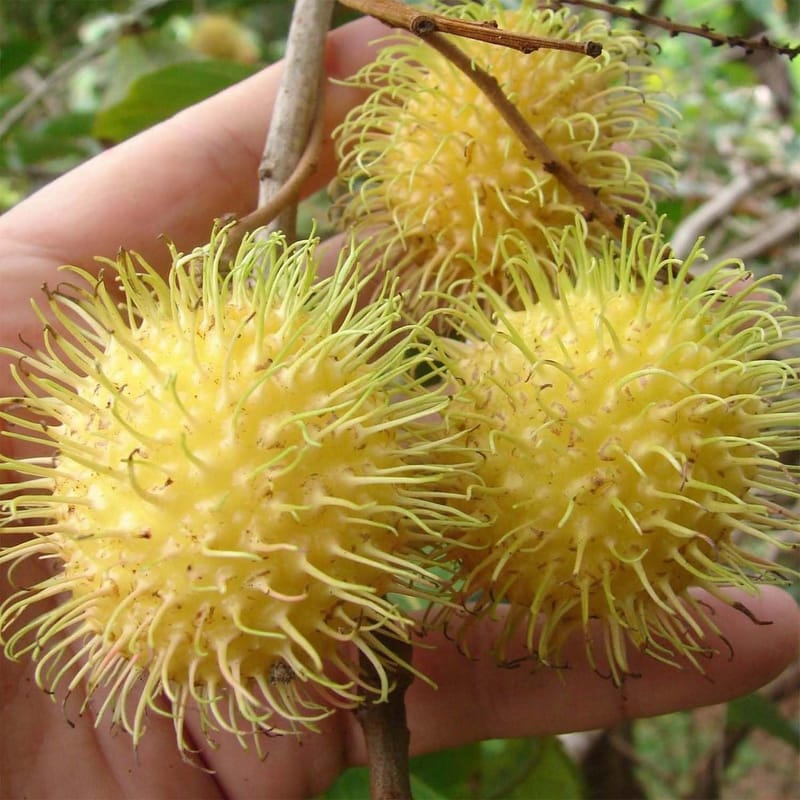
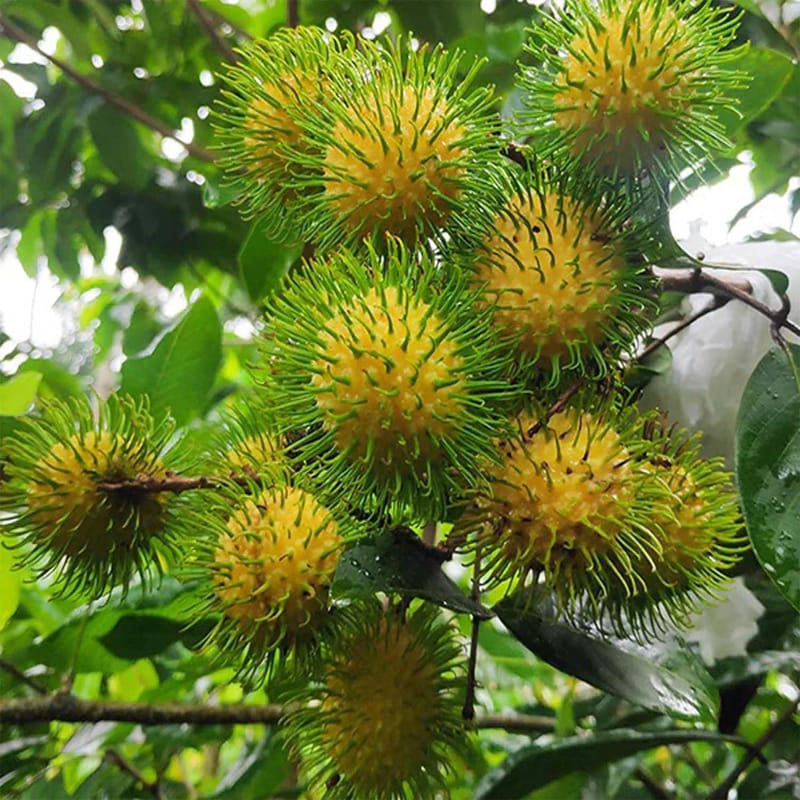
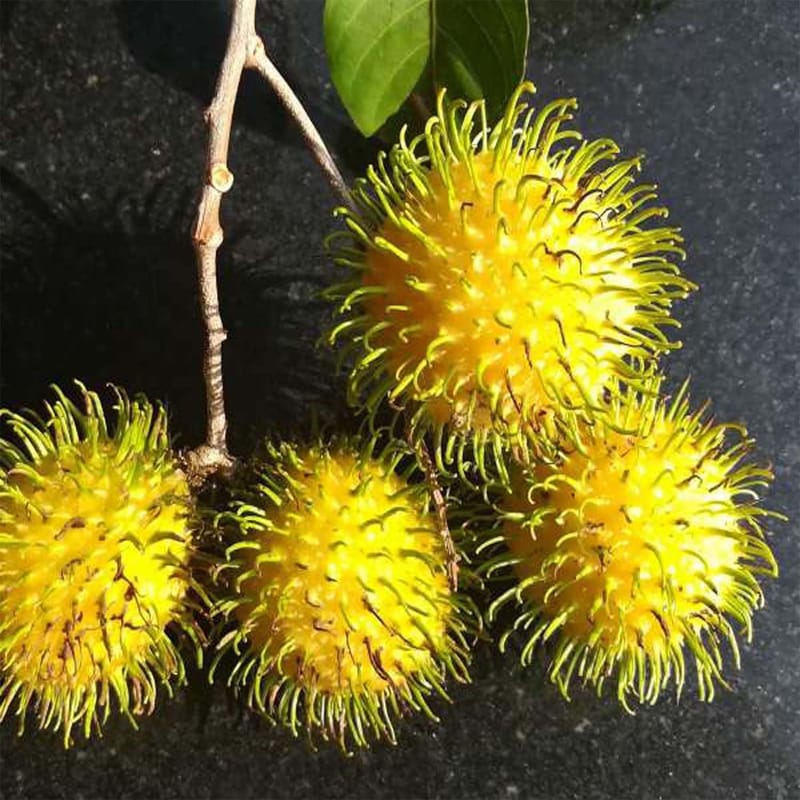
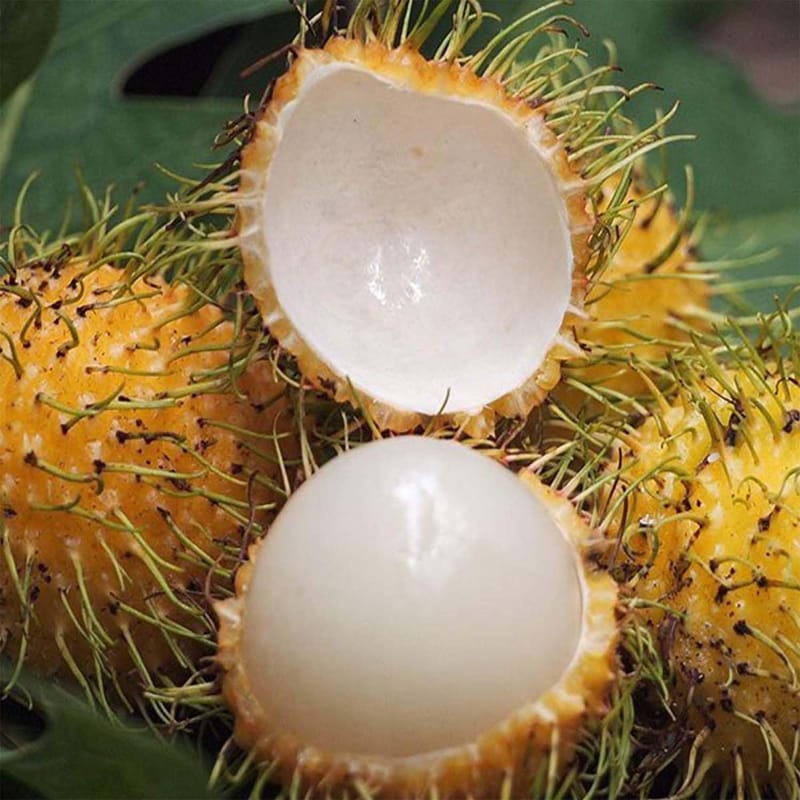
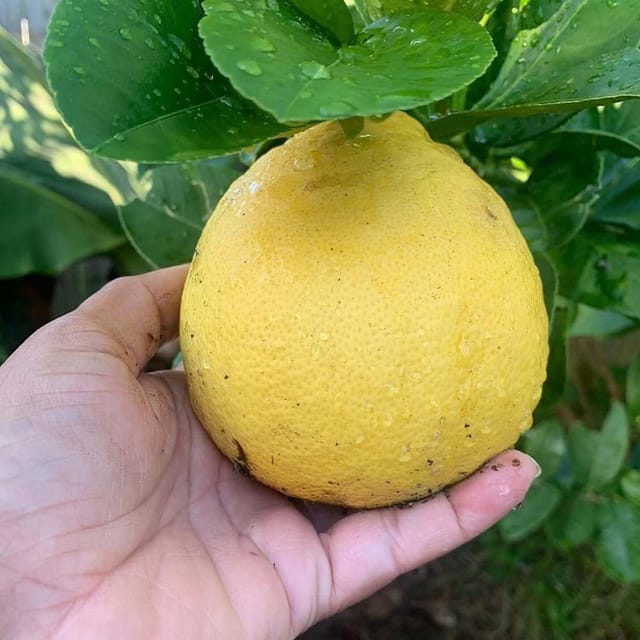
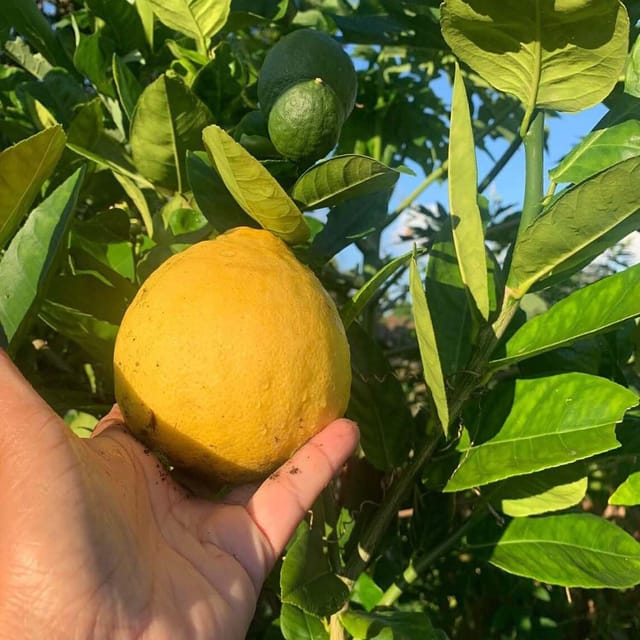
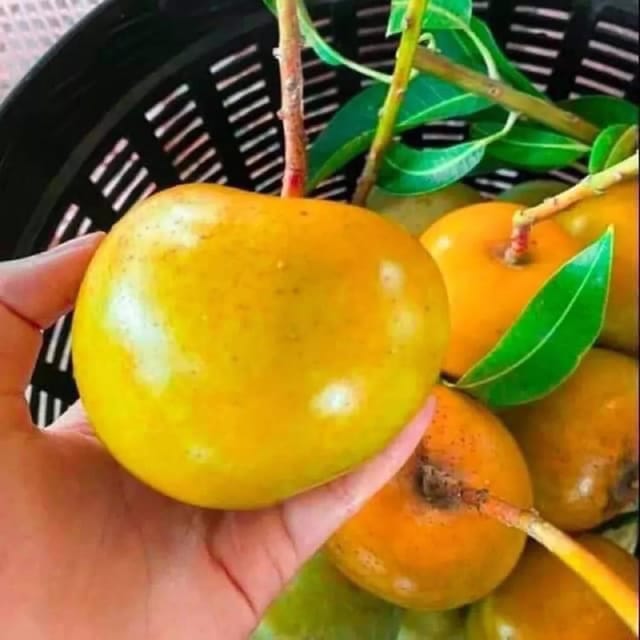
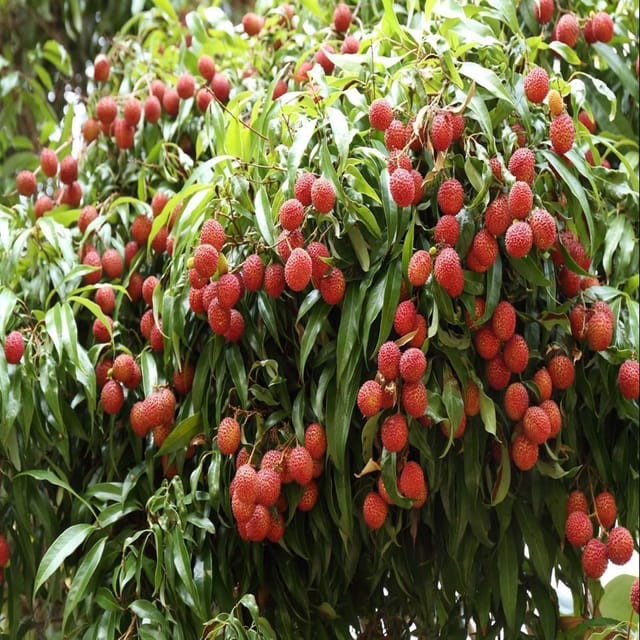
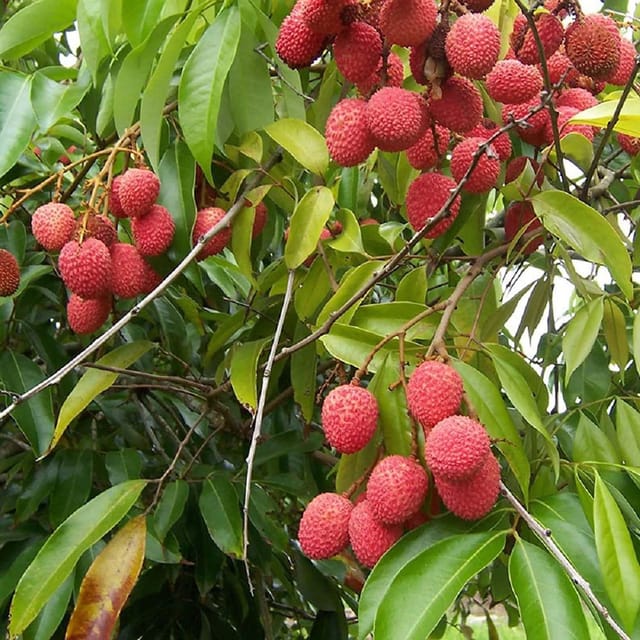
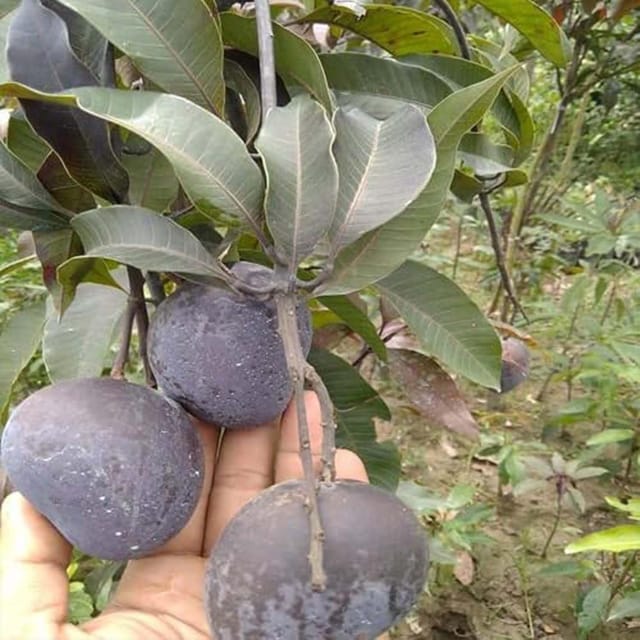
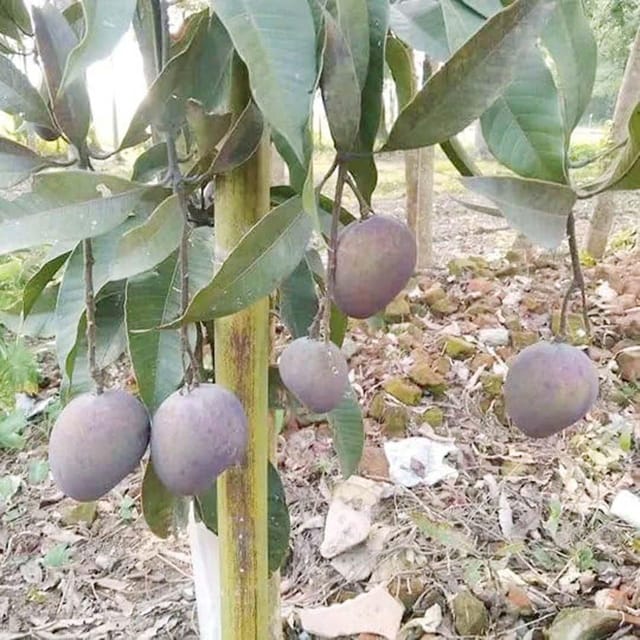
- The E35 variety yields golden-yellow, oval fruit densely covered in soft, hair-like spines, which contains an intensely sweet, juicy, translucent white flesh.
- This tropical tree requires high humidity (75-80%) and is sensitive to temperatures below 50°F.
- Using a secure paper core packing method for shipping plants.which help ventilating the plant during transit.
COD (Cash On Delivery) Available
Delivery
Product Information
| # | Attribute | Value |
|---|---|---|
| 1. | brand | TAPOBON |
Plants are packed and shipped by Tapobon Nursery.
Rambutan E35 Variety Fruit Grafted Plant & Tree
Product Features and Variety
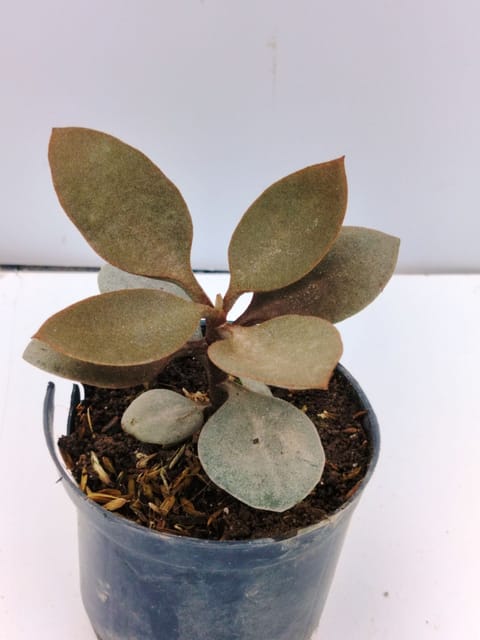
The Rambutan (Nephelium lappaceum), commonly referred to as "Hairy Lychee," is an exotic tropical evergreen tree prized for its unique and flavorful fruit. This specific offering is a Grafted plant, a technique that ensures the plant is true-to-name and promotes earlier fruit production.
- Variety: E35 Yellow Rambutan, a popular selection celebrated for its exceptional sweetness and heavy yield.
- Type: Grafted Fruit Plant/Tree. Grafted plants typically begin fruiting in 2 to 3 years from planting.
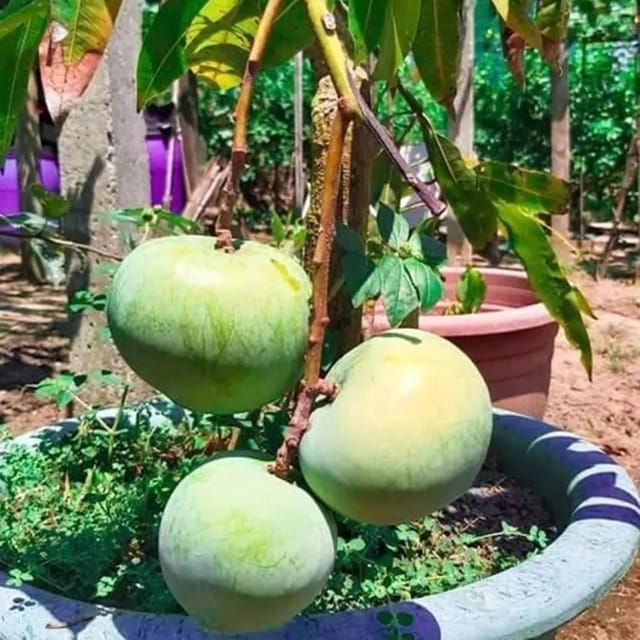
- Size: 1.5–3 Feet Height. The tree has a somewhat dwarfish and visually appealing stature compared to other varieties, making it suitable for growing in gardens and large containers.
- Suitability: Thrives in tropical and humid subtropical climates, adapting well to almost all Indian climates and well-drained soil types.
The Fruit: E35 Yellow Rambutan
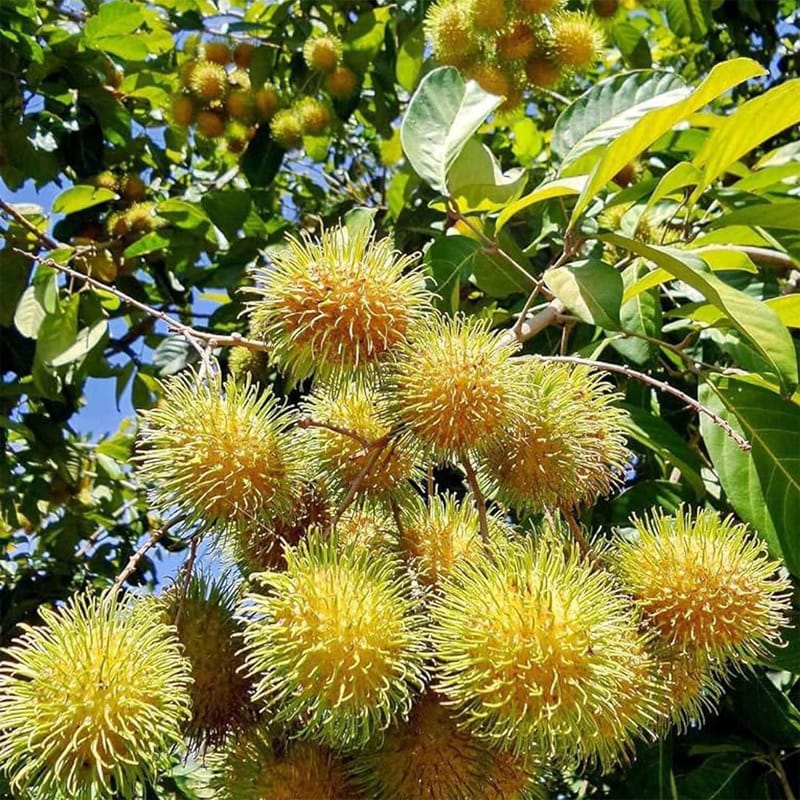
The E35 Rambutan produces vibrant, golden-yellow fruit with a superior flavor profile.
- Appearance: Round or oval fruit with a shiny yellow rind densely covered in soft, hair-like, pliable spines.
- Texture and Taste: The edible flesh is translucent white, juicy, tender, and intensely sweet (possessing a high Brix level), with a fragrant and refreshing aftertaste. The fruit is typically semi-clingstone.
- Harvest: The main fruiting season usually occurs from late July to early September in tropical climates.
- Shelf Life: Due to its high juice content, the fruit has a moderate shelf life of approximately two days after harvest.
Essential Care Guide for Indian Climates
The Rambutan is a tropical species that requires consistent warmth and proper care for successful growth and fruit set.
Sunlight and Climate Needs
- Sunlight: Requires full and direct sunlight (a minimum of 6-8 hours daily) for optimal growth, flowering, and fruit development. It can tolerate partial sun.
- Climate: Best suited for warm, tropical, and humid regions.
Watering and Soil
- Soil: Plant in well-drained, fertile loamy soil with a slightly acidic pH (ideally 5.5–6.5). Avoid heavy clay soils that retain moisture and lead to waterlogging.
- Watering: Water consistently and regularly to keep the soil moist but never soggy. Allow the top inch or two of soil to dry out completely between waterings. Increased watering is necessary during periods of flowering and fruiting.
- Other Care: Regular pruning is recommended to maintain the tree's health and enhance fruit production. Apply a balanced fertilizer during the growing season to support robust development.
The secure paper core packing method used for shipping ensures the plant is protected and well-ventilated during transit, guaranteeing you receive a healthy, genuine variety plant.
Customer Review
Be the first to review this product