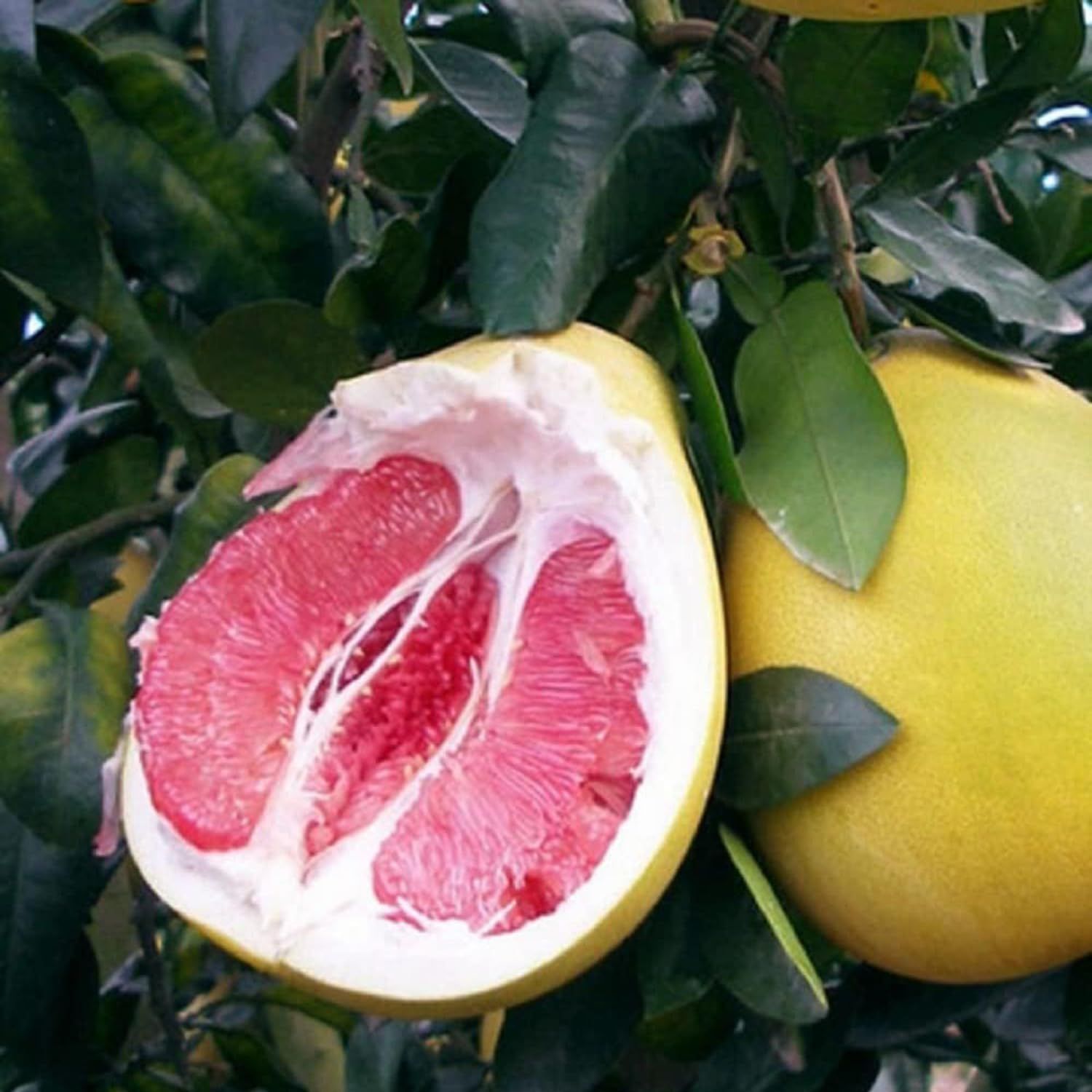



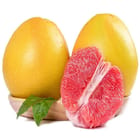

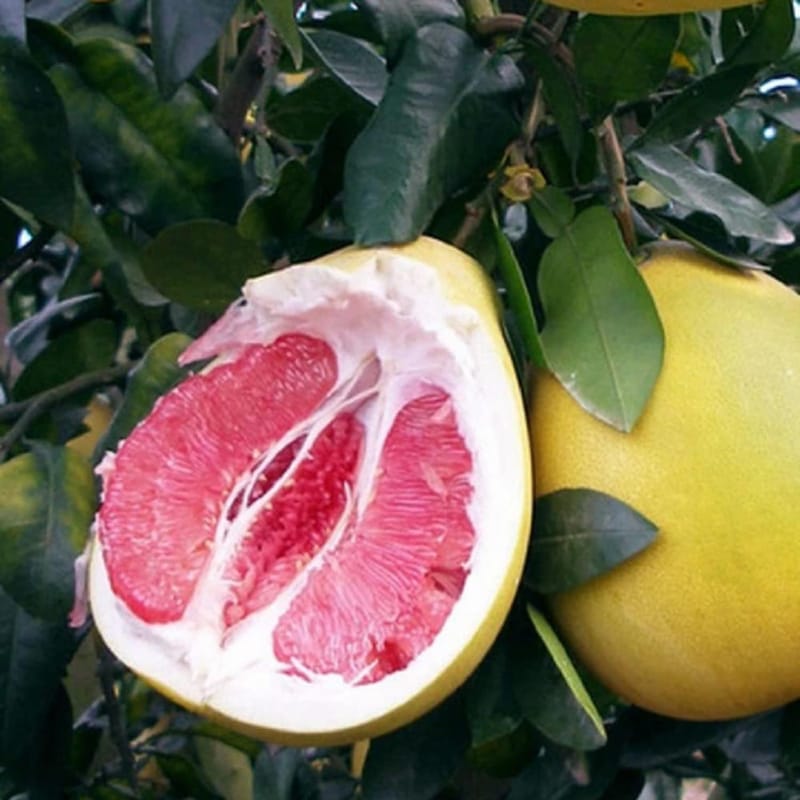
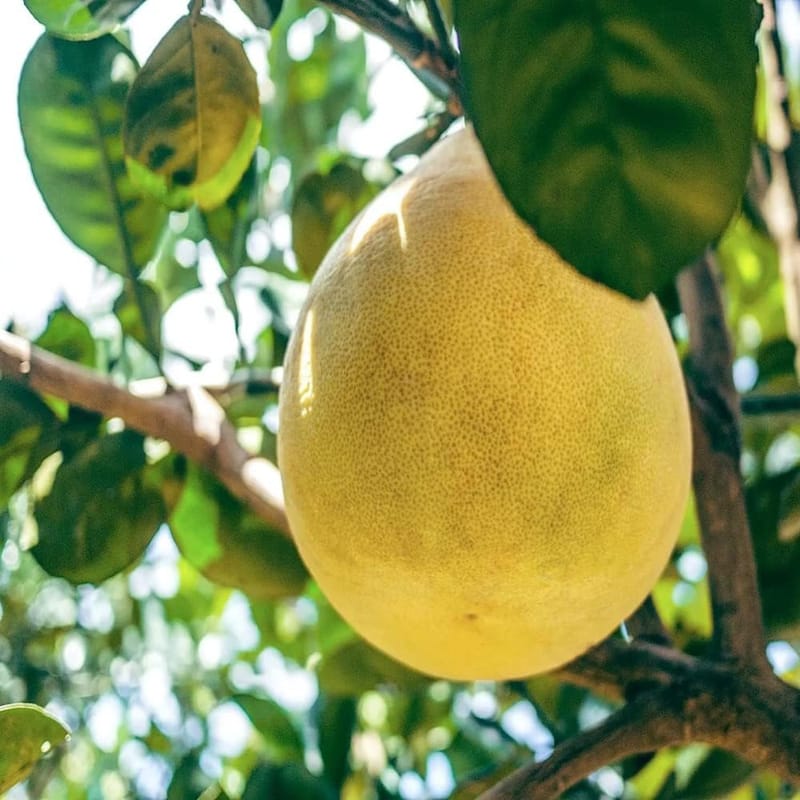
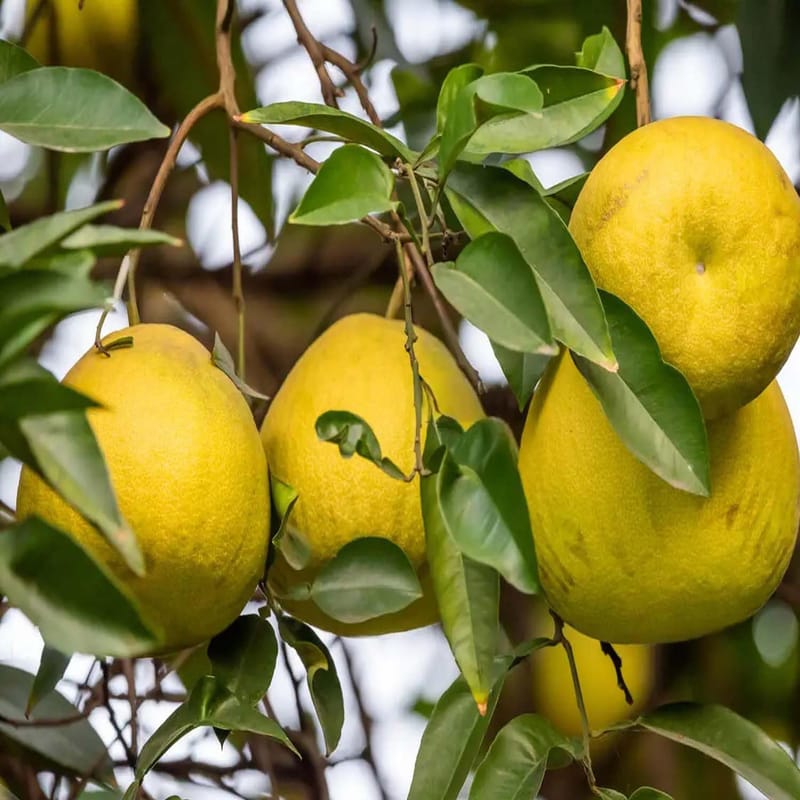
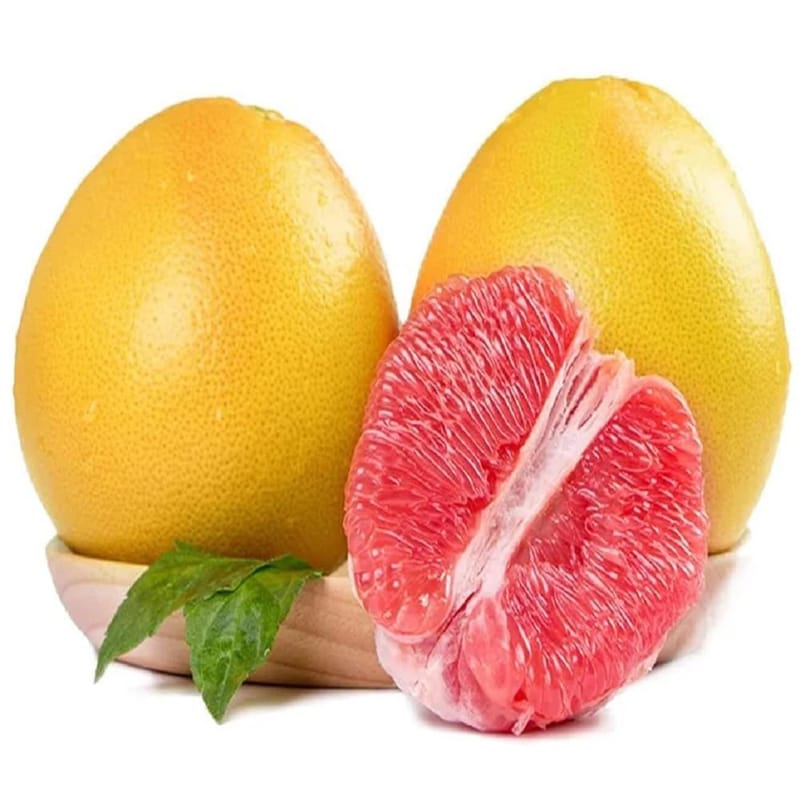

Seedless Pomelo Grapefruit Jambura Gaint Chakotra Batabi Lebu kambili Naranga Fruit (Air Layering/Grafted) Plants & Tree(1.5-3 Feet Size) - Tapobon
SKU : TAPOBON-N269
Brand : TAPOBON
Sold By : TAPOBON
₹528 ( 57% OFF )
MRP ₹1,247 Inclusive of all taxes
50 item left in Stock
Features
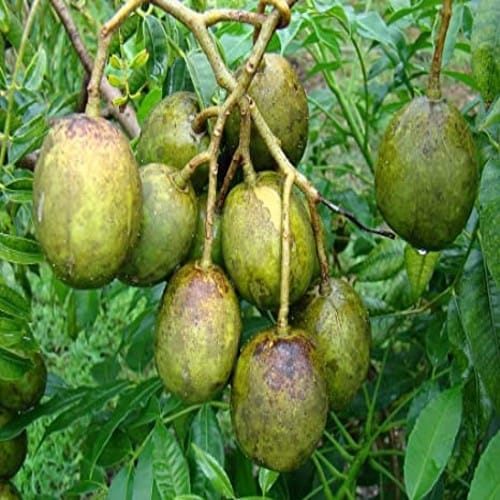
- The largest of all citrus fruits, this Seedless Pomelo variety yields a juicy, thick-rinded fruit with a refreshingly sweet and mildly tangy flavor, milder than a typical grapefruit.
- Requires full and direct sunlight for 6–8 hours daily and is suitable for container gardening.
- Using a secure paper core packing method for shipping plants.which help ventilating the plant during transit.
COD (Cash On Delivery) Available
Delivery
Product Information
| # | Attribute | Value |
|---|---|---|
| 1. | brand | TAPOBON |
Plants are packed and shipped by Tapobon Nursery.
Seedless Pomelo Jambura Chakotra Batabi Lebu Grafted Fruit Plant
Product Features and Variety
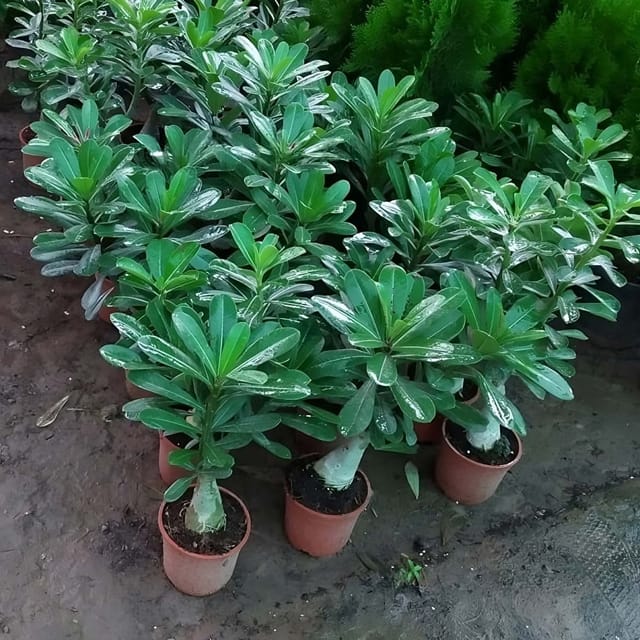
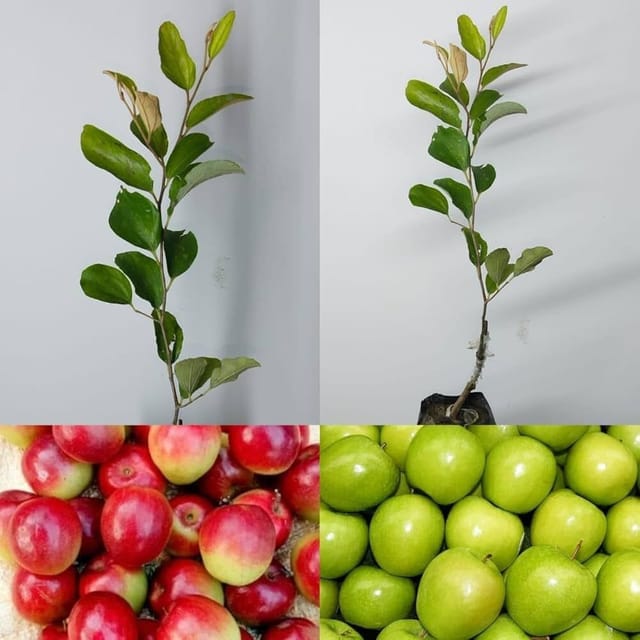
The Pomelo, or Jambura (Citrus maxima), is the largest of all citrus fruits and a resilient, evergreen fruit-bearing tree native to Southeast Asia. This specific offering is an Air Layering/Grafted plant, which ensures earlier and more reliable fruiting compared to seed-grown plants, making it an excellent addition to home gardens or container cultivation.
- Variety: Seedless Pomelo, known by common regional names like Jambura, Gaint Chakotra, Batabi Lebu, and Kambili Naranga.
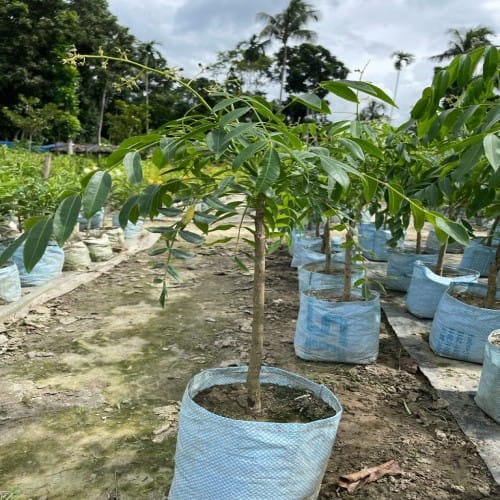
- Type: Air Layering/Grafted Plant/Tree. Grafting promotes quicker fruit bearing, often within 1-3 years.
- Size: 1.5–3 Feet Height at the time of dispatch.
- Suitability: Thrives in tropical and subtropical regions and can be successfully grown in most Indian climates and soil types, including in a garden or a large pot/container.
The Fruit: Seedless Pomelo
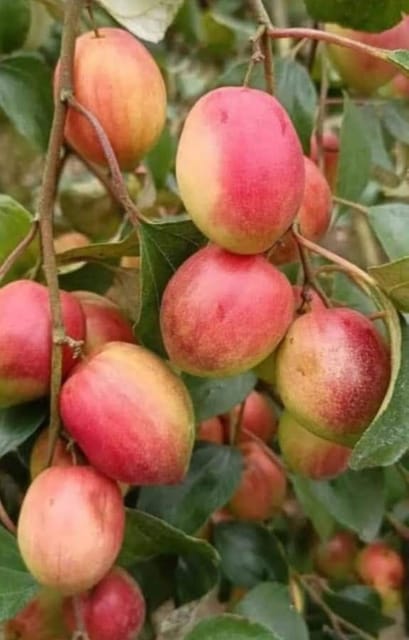
Pomelo is prized for its large size, thick rind, and delectable interior. This Seedless variety offers convenience for consumption.
- Taste and Texture: The flesh is juicy, with a refreshing flavor profile that is sweeter and milder than a grapefruit, possessing a pleasant, mildly sweet and tangy taste.
- Health Benefits: It is an excellent source of Vitamin C, antioxidants, and fiber, contributing to a healthy diet.
- Culinary Use: Commonly eaten fresh, segmented for salads, or juiced for a refreshing beverage.
Essential Care Guide for Indian Climates
Sunlight Needs
As a citrus plant, the Pomelo requires adequate sunlight for vigorous growth and optimal fruit production.
- Sunlight: Requires full and direct sunlight, ideally 6–8 hours per day, for best growth, flowering, and development of sweet fruits.
- Location: Choose a sunny, open location in your garden, terrace, or patio.
Watering and Soil
Proper watering and soil drainage are key for citrus health, especially in the growing season.
- Soil: Plant in well-draining, fertile soil. A loamy soil mix with a slightly acidic to neutral pH (6.0–7.5) is ideal. Avoid heavy clay or overly wet soil to prevent root rot.
- Watering: Water deeply and regularly, allowing the top 1 to 2 inches of soil to dry out completely between waterings. Increase watering during flowering and fruiting periods and reduce it during the rainy season to prevent waterlogging.
The secure paper core packing method used for shipping ensures the plant is protected and well-ventilated during transit, ensuring you receive a healthy, genuine variety plant.





Customer Review
Be the first to review this product