

Washington Navel Orange Variety Grafted Santra Fruit Plants & Tree(1-2 Feet Size) - Tapobon
SKU : TAPOBON-N158
Brand : TAPOBON
Sold By : TAPOBON
₹528 ( 57% OFF )
MRP ₹1,247 Inclusive of all taxes
50 item left in Stock
Features
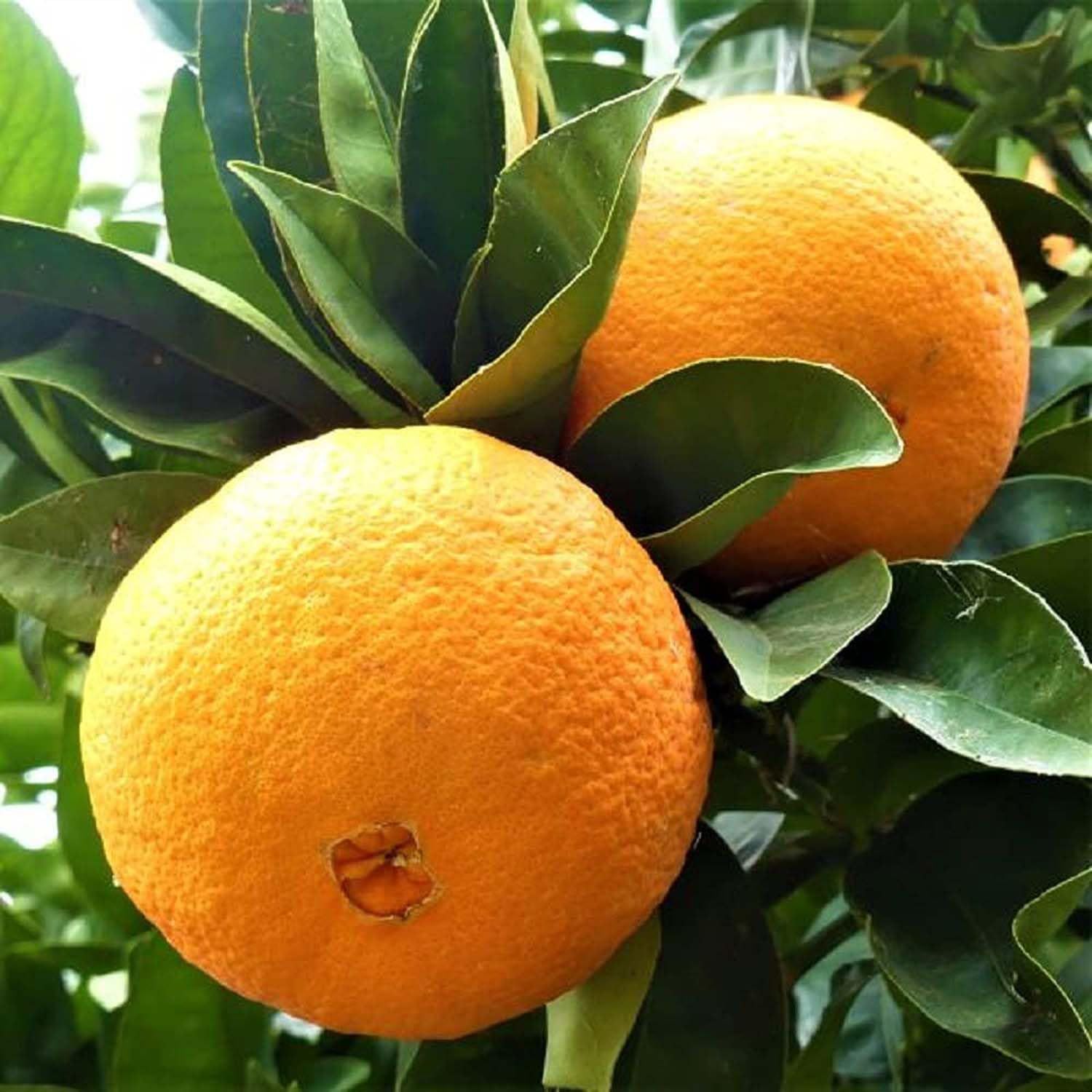
- An exceptionally sweet, seedless orange with a vibrant yellow-orange, easy-to-peel rind and a distinctive "navel" at the blossom end.
- Requires a minimum of 6–8 hours of full and direct sun daily for optimal growth and fruit production.
- Using a secure paper core packing method for shipping plants.which help ventilating the plant during transit.
COD (Cash On Delivery) Available
Delivery
Product Information
| # | Attribute | Value |
|---|---|---|
| 1. | brand | TAPOBON |
Plants are packed and shipped by Tapobon Nursery.
Washington Navel Orange Variety Grafted Santra Fruit Plant
Product Features and Variety
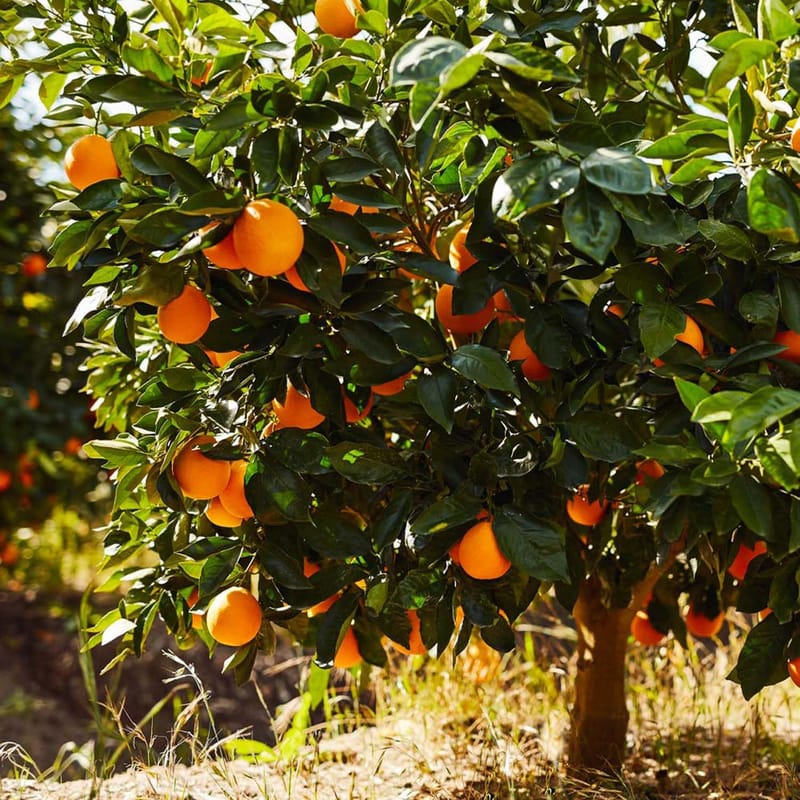
The Washington Navel Orange (Citrus sinensis 'Washington Navel'), commonly known as Santra, is a world-renowned, evergreen citrus variety.
- Variety: Washington Navel Orange (Santra). It is also known as the "California Navel."
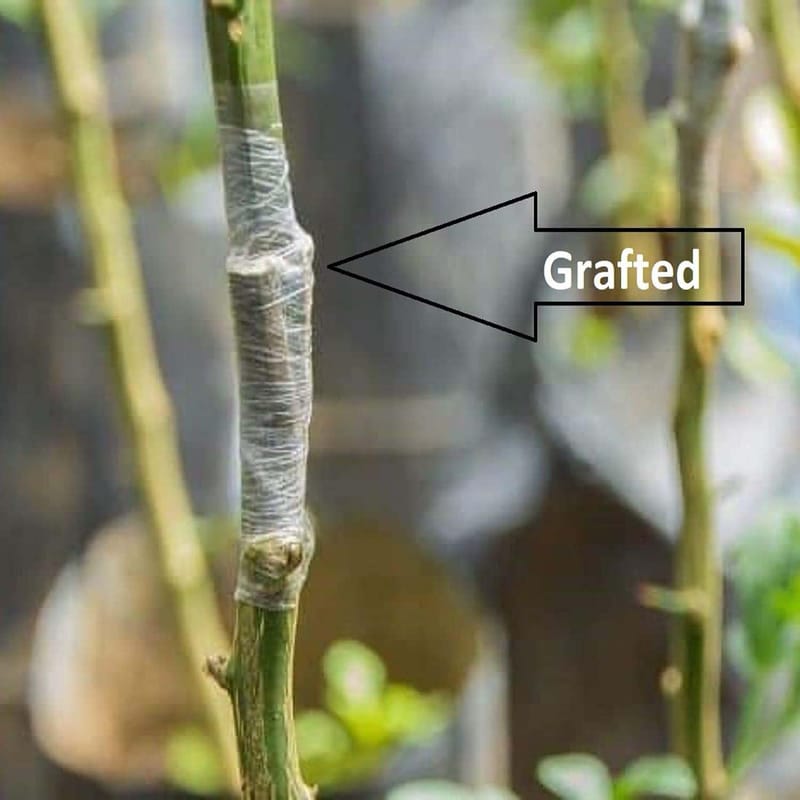
- Type: Grafted Plant/Tree (1–2 Feet Size). Grafting promotes earlier flowering and fruit production.
- Characteristics: This is a medium-sized tree with glossy, dark green, oval leaves and an upright, rounded canopy. It produces fragrant white star-shaped flowers in the spring.
- Suitability: This plant is well-suited for cultivation in both gardens and large pots across India's diverse climates and soil types.
The Fruit: Washington Navel Orange
The fruit of the Washington Navel is highly prized for its exceptional qualities, making it a favorite for fresh eating.
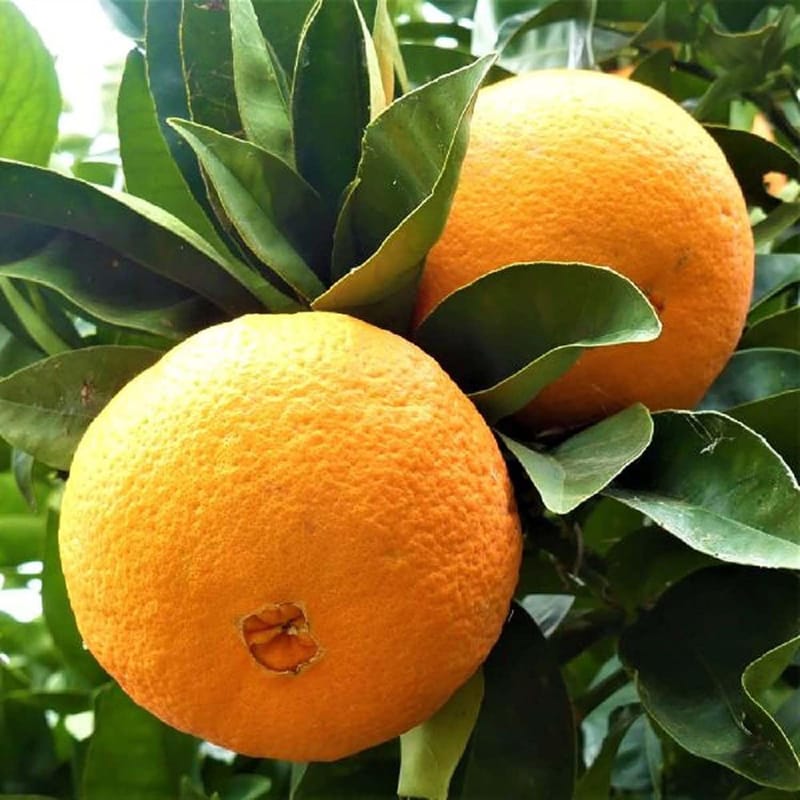
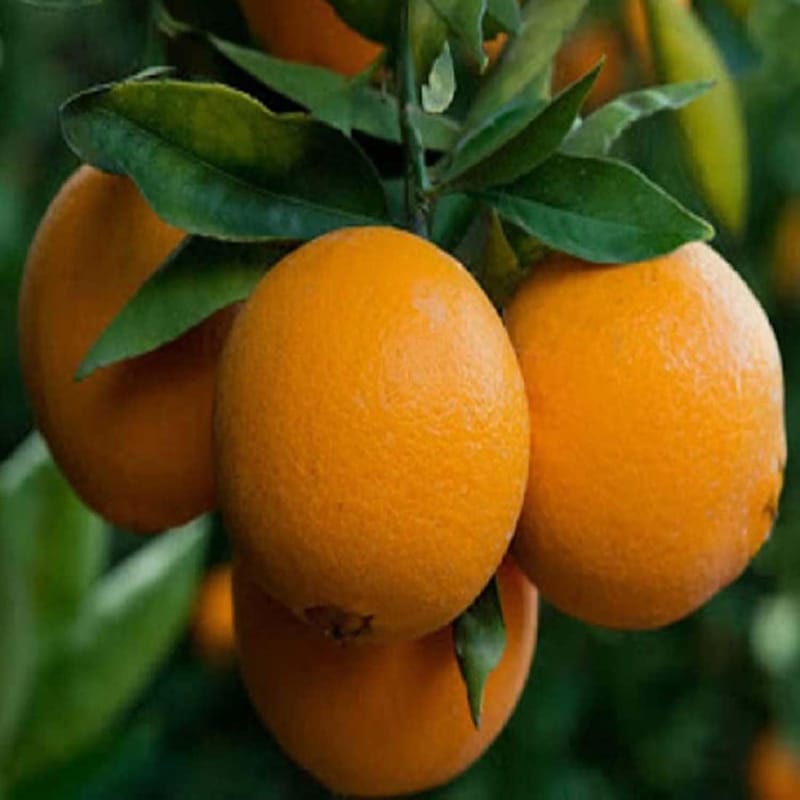
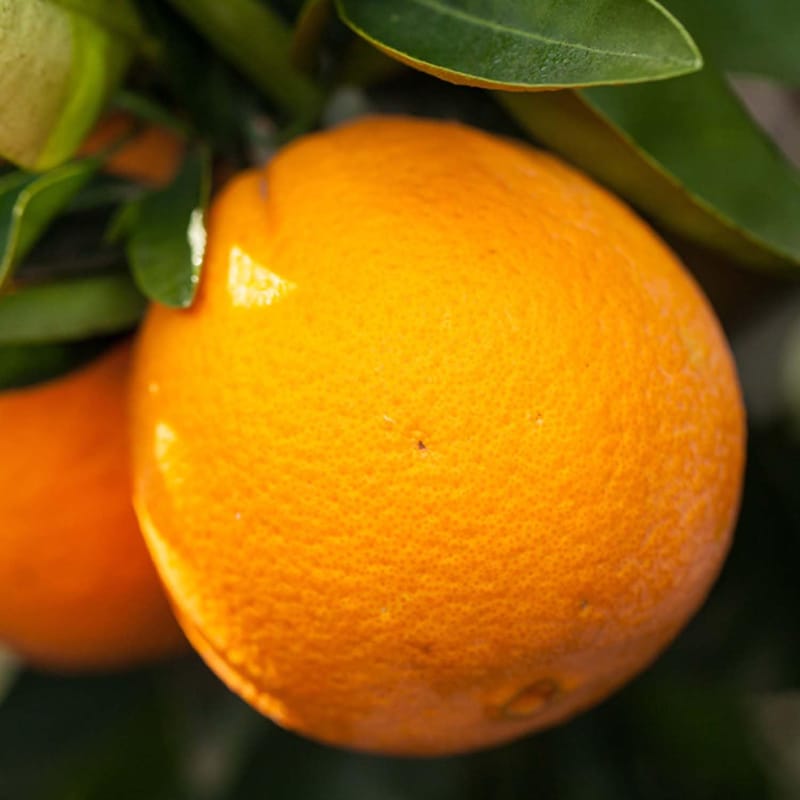
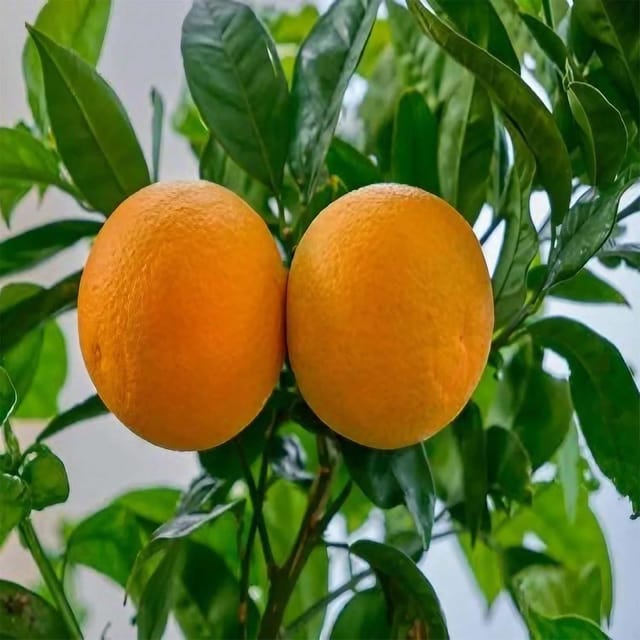
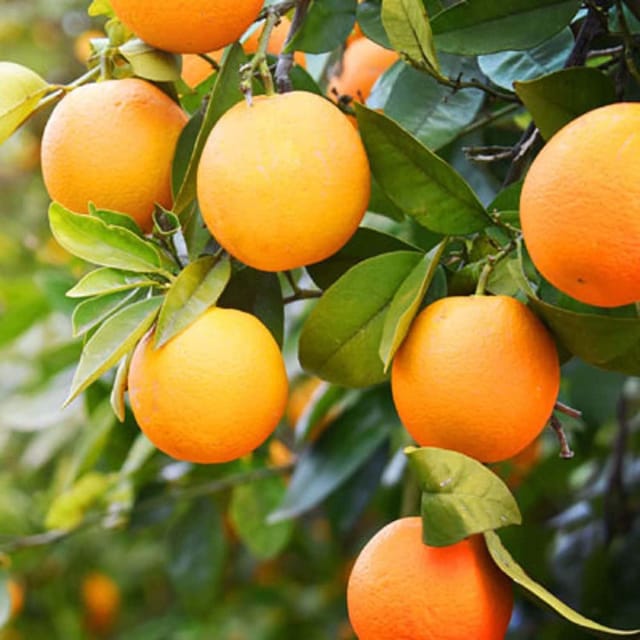
- Size and Appearance: The oranges are large, juicy, and possess a vibrant yellow-orange skin. They are easily recognizable by the distinctive "navel" formation at the blossom end.
- Taste and Texture: Known for being exceptionally sweet and flavorful with a desirable balance of tanginess.
- Seedless and Easy-to-Peel: A key trait is that the fruit is virtually seedless and has a thick, easy-to-peel rind, separating into delicious segments.
- Harvest Time: Fruit typically ripens from late fall through the winter and early spring months and can hold well on the tree for several months.
Essential Care Guide for Indian Climates
Sunlight Needs
As a subtropical citrus plant, the Washington Navel Orange requires ample sunlight to thrive and produce a good crop.
- Light: Choose a location that receives full and direct sun for a minimum of 6–8 hours daily. Increased sunlight is preferred for optimal growth and flowering.
Watering and Soil
Proper irrigation and well-drained soil are essential to prevent common citrus root problems.
- Soil: Plant in well-draining, loamy, or sandy loam soil. The ideal soil pH is slightly acidic to neutral (around 6.0 to 7.0).
- Watering: Water regularly and deeply to keep the soil consistently moist, but never soggy or saturated. Allow the top layer of soil to dry out slightly between waterings. Trees grown in containers require more frequent checks and watering than those planted in the ground.
- Fertilization: Fertilize the plant with a good organic or citrus-specific blend consistently during the main growing season, which runs from spring through late summer.
The secure paper core packing method used for shipping ensures the plant is protected and well-ventilated during transit, guaranteeing you receive a healthy, genuine variety plant.
Customer Review
Be the first to review this product