
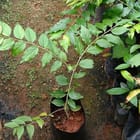
Apricot Variety Fruit (Air Layering/Grafted) Plants & Tree(1.5-3 Feet Size) - Tapobon
SKU : 1W-HAFE-499V
Brand : TAPOBON
Sold By : TAPOBON
₹528 ( 57% OFF )
MRP ₹1,247 Inclusive of all taxes
50 item left in Stock
Features
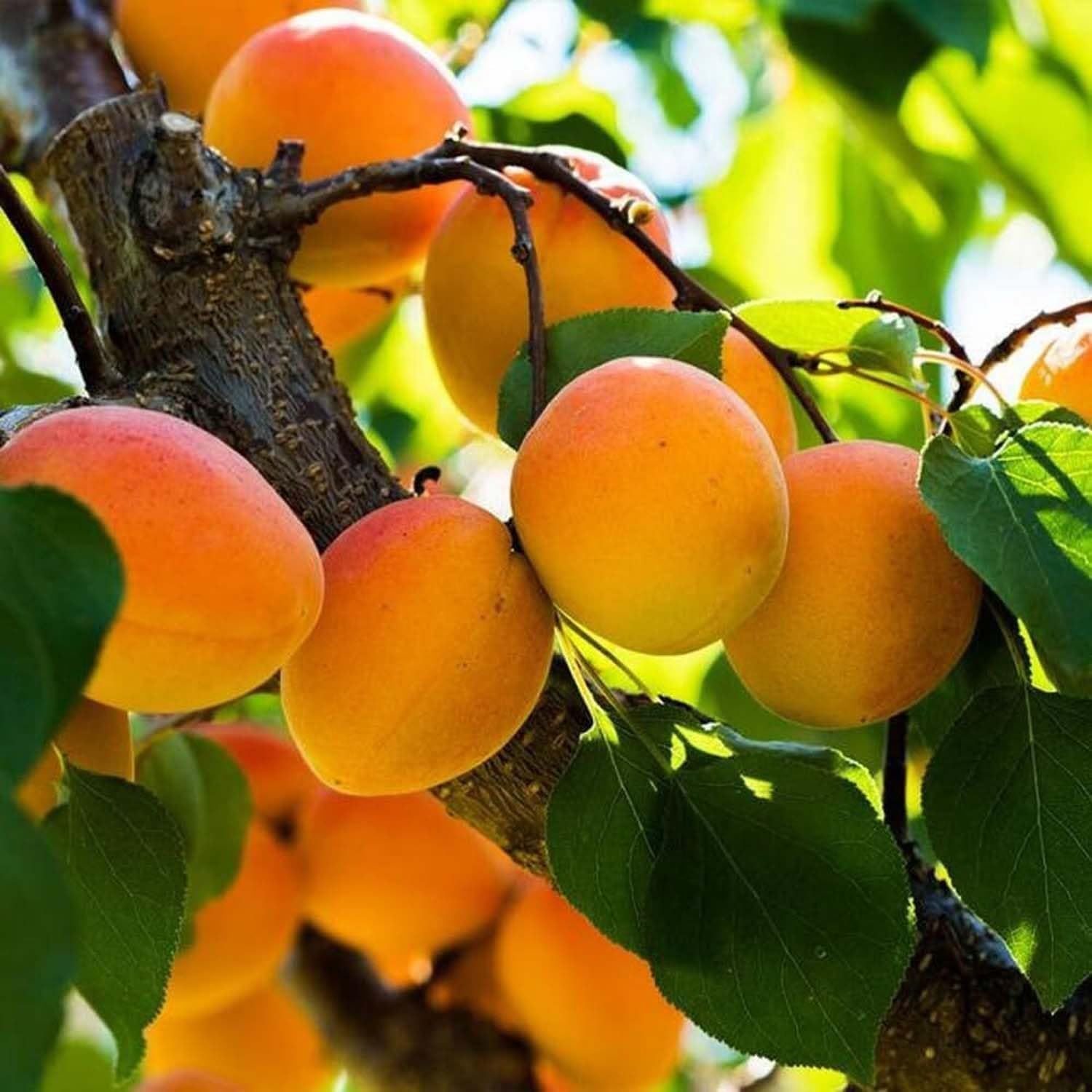
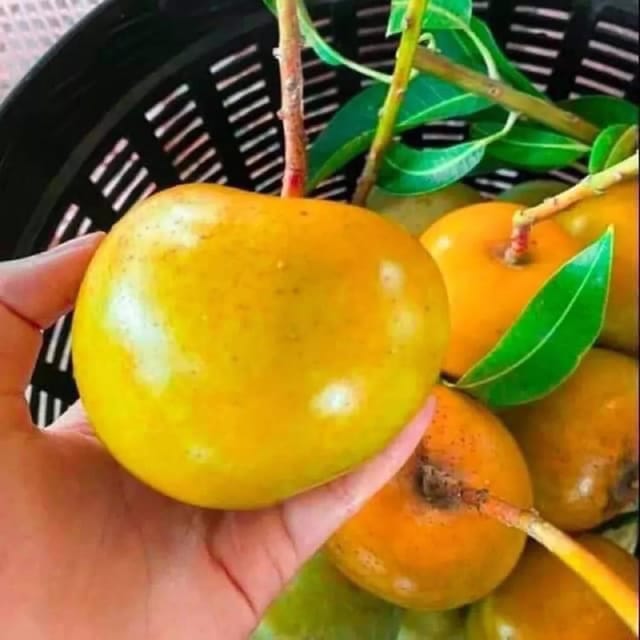
- Produces a cherished stone fruit with velvety, golden-yellow skin, yielding sweet, juicy, and finely textured flesh with a hint of tanginess.
- Thrives in full sun but is highly susceptible to root rot, requiring excellent soil drainage.
- Using a secure paper core packing method for shipping plants.which help ventilating the plant during transit.
COD (Cash On Delivery) Available
Delivery
Product Information
| # | Attribute | Value |
|---|---|---|
| 1. | brand | TAPOBON |
Plants are packed and shipped by Tapobon Nursery.
Apricot Variety Fruit (Air Layering/Grafted) Plants & Tree
Product Features and Variety
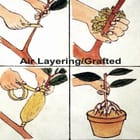
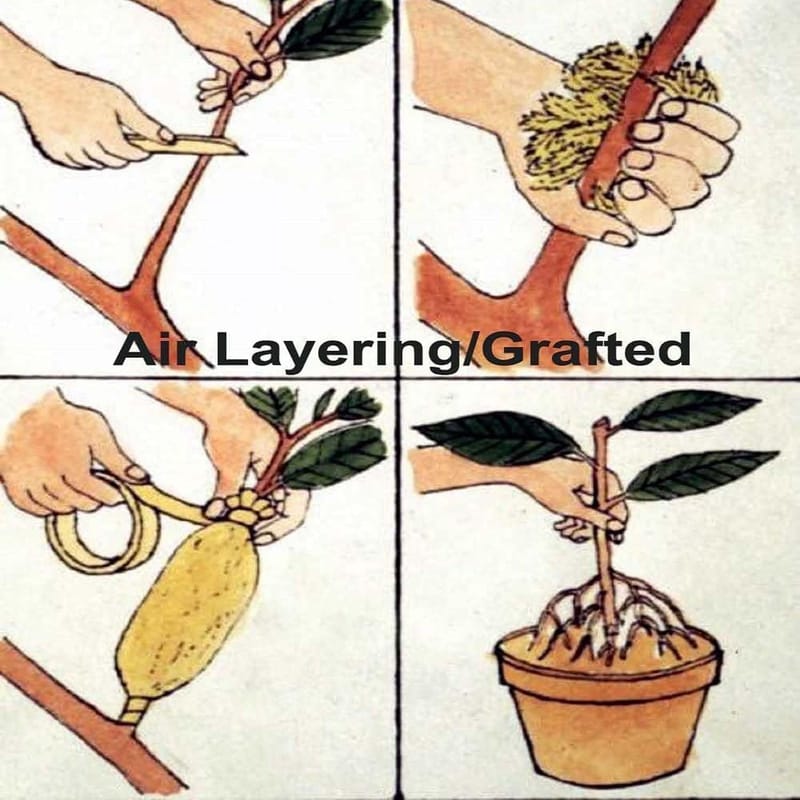
The Apricot tree (Prunus armeniaca) is a cherished stone fruit. This offering is propagated through Air Layering or Grafting, a technique that ensures the plant is true-to-name, retaining the desired traits of the parent tree, and promoting earlier fruiting and consistent quality compared to seed-grown plants.
- Propagation Method: Air Layering/Grafted Plant/Tree. This method leads to a faster first harvest.
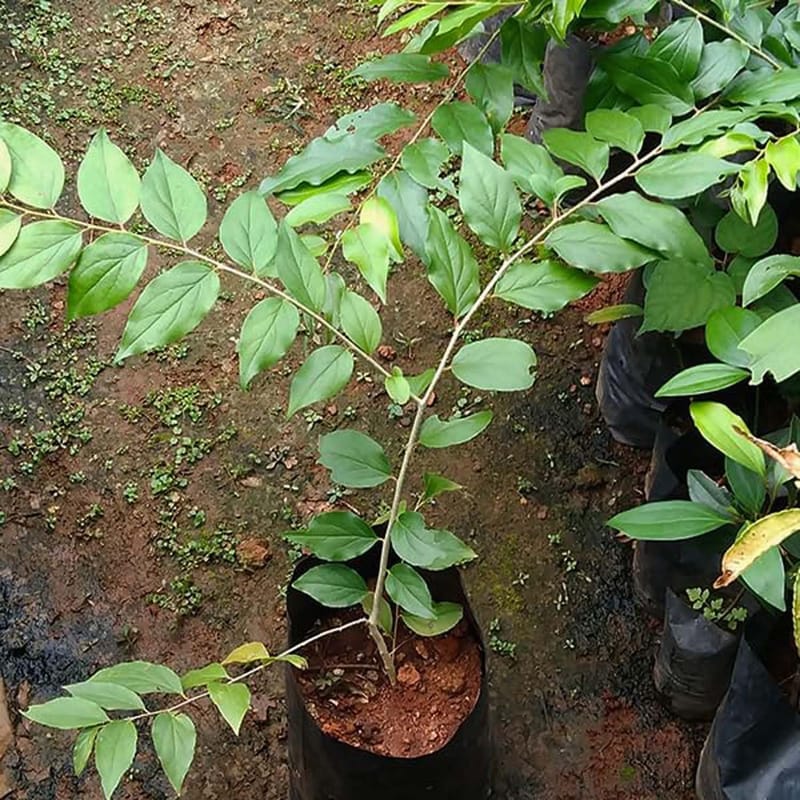
- Size: 1.5–3 Feet Height.
- Suitability: Adaptable to most Indian climates and soils. It can be successfully grown both in the ground and in large pots, thriving best in mid-hilly regions that meet the chilling requirements for flower bud development.
The Fruit: Apricot
Apricots are a golden-hued delight, prized for their sweet and succulent properties:
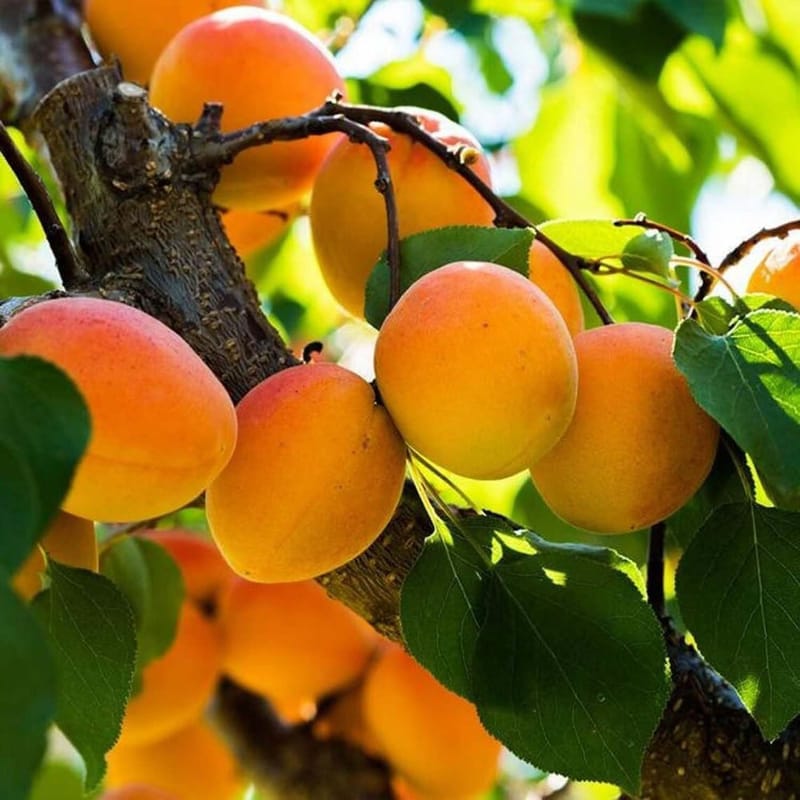
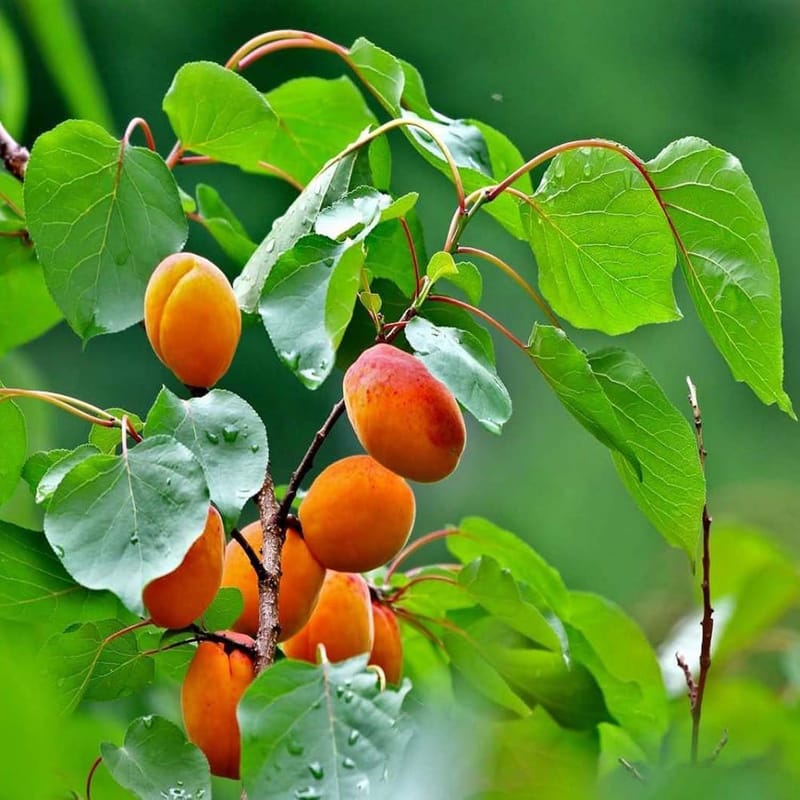
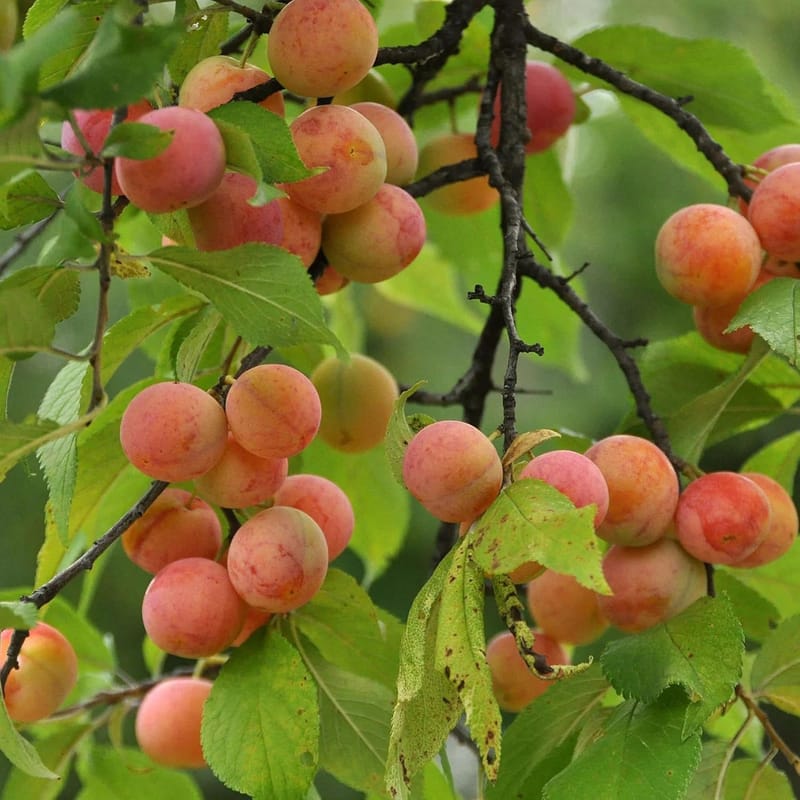
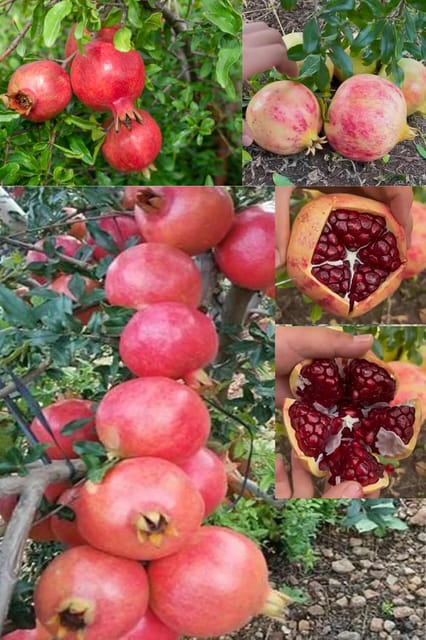
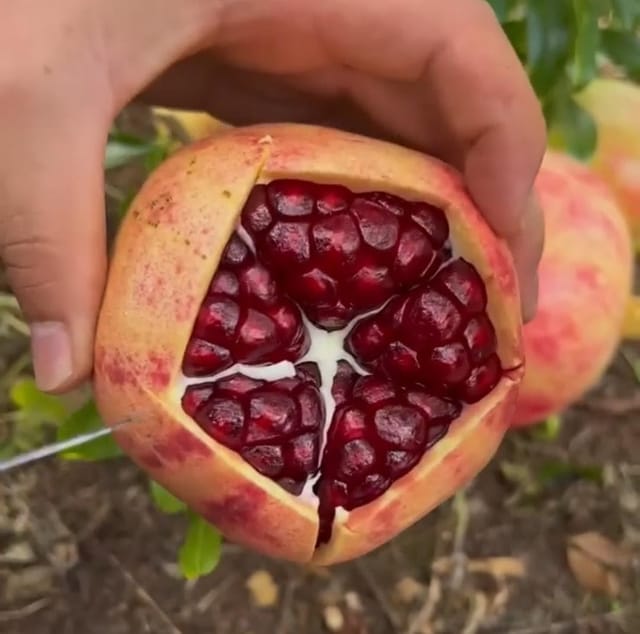
- Appearance and Texture: They are small, round fruits with velvety, golden-yellow skin, often with a red blush. The flesh is sweet, juicy, and finely textured.
- Flavor: The fruit offers a distinctively sweet taste with a hint of tanginess.
- Nutritional Value: A nutritious treat rich in vitamins (A, C, and E), fiber, and antioxidants, embodying the essence of summer sweetness.
Essential Care Guide for Indian Climates
Sunlight and Climate Needs
Apricot trees are sun-lovers and require proper positioning for optimal growth and fruit yield:
- Sunlight: Requires full and direct sunlight, needing at least 6-8 hours of sun exposure daily to initiate flower buds and produce abundant fruit.
- Air Circulation: Plant in a location with good air movement and avoid planting in areas prone to late frost, which can damage the delicate spring blossoms.
Watering and Soil
Focus on deep watering and well-drained soil to maintain a healthy tree:
- Soil: Plant in deep, well-drained loam soil rich in organic matter. The tree is highly susceptible to root rot, so poor drainage and waterlogged conditions must be avoided.
- Watering: Water deeply and consistently, especially during the first few years and when the tree is flowering and bearing fruit (typically during hot, dry spells). Allow the top few inches of soil to dry out between waterings. Use a drip irrigation system to avoid wetting the leaves and fruit.
- Pruning: Pruning is essential for shape and health. It should be done in early spring (before bud break) to remove dead or diseased branches and to maximize sunlight penetration and airflow within the canopy.
The secure paper core packing method used for shipping plants ensures protection and ventilation during transit.

Customer Review
Be the first to review this product