
Chikoo Thai Banana Long Sapota variety Grafted Fruit Plants & Tree(1.5-3 Feet Size) - Tapobon
SKU : TAPOBON-N137
Brand : TAPOBON
Sold By : TAPOBON
₹528 ( 57% OFF )
MRP ₹1,247 Inclusive of all taxes
50 item left in Stock
Features
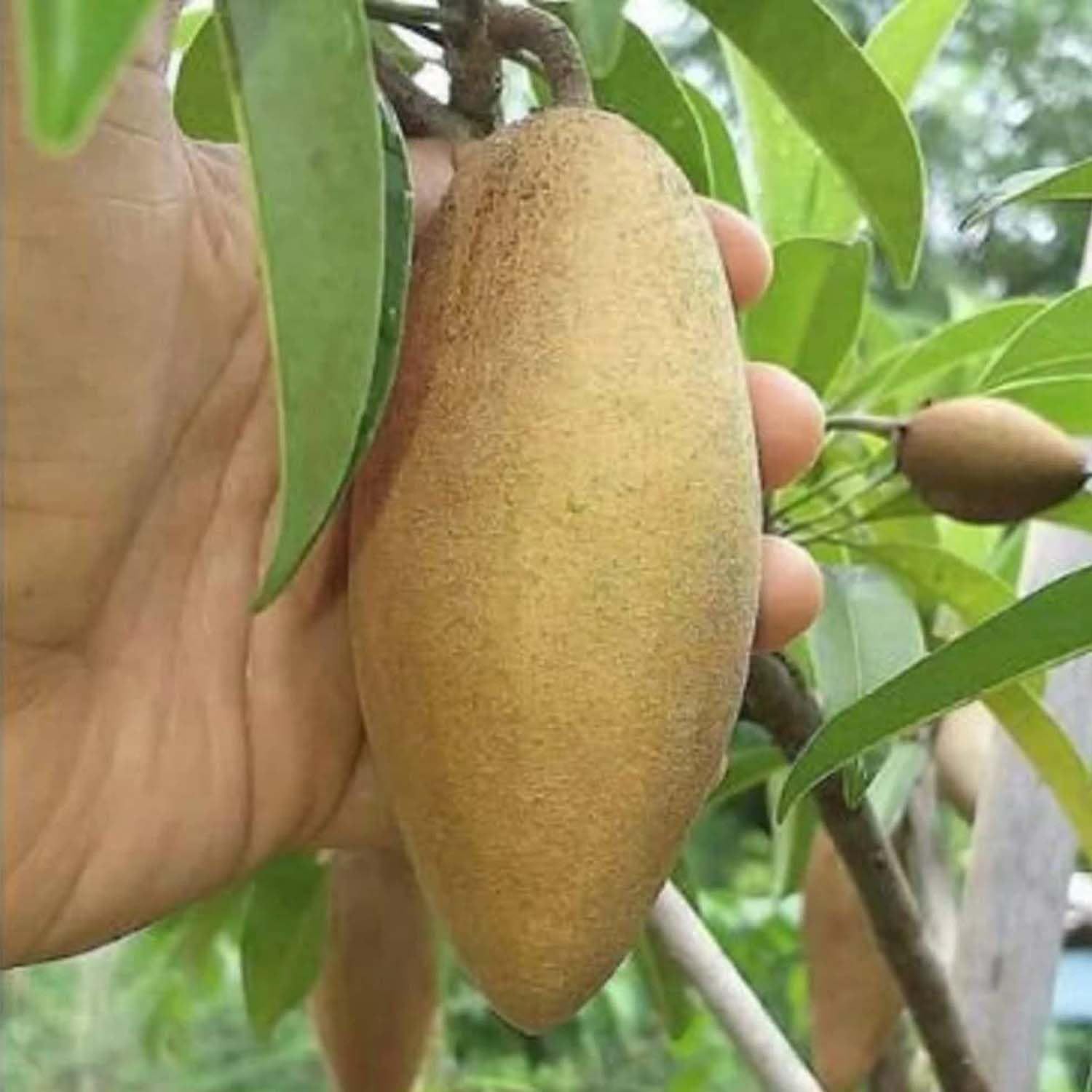
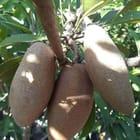
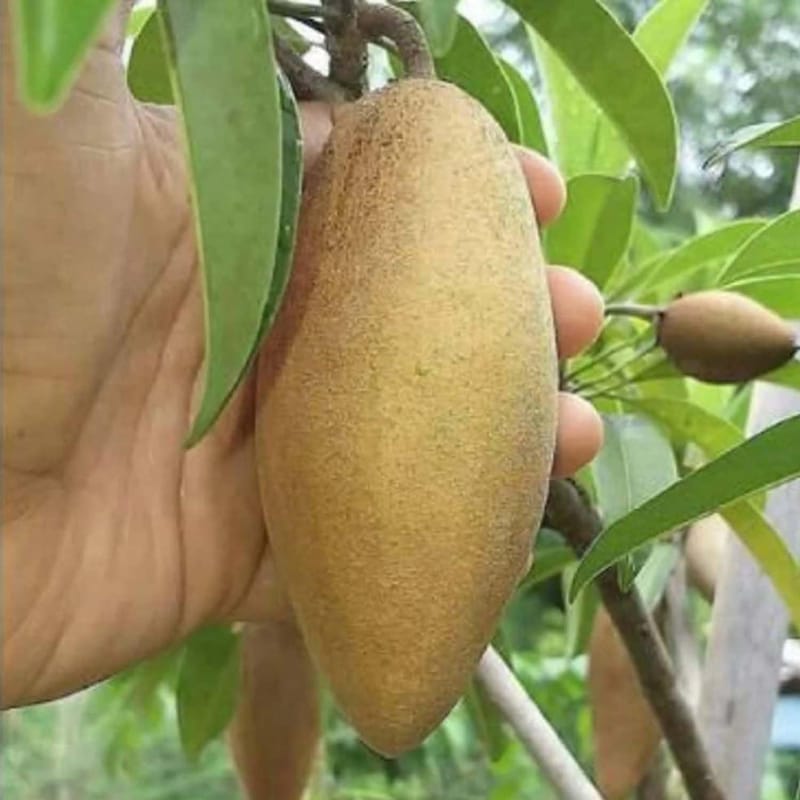
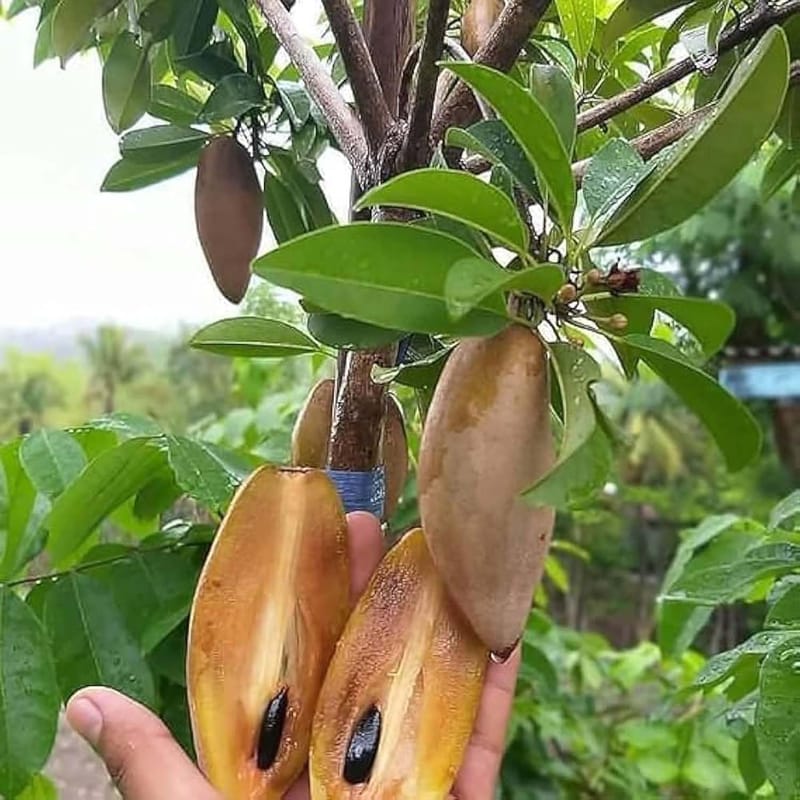
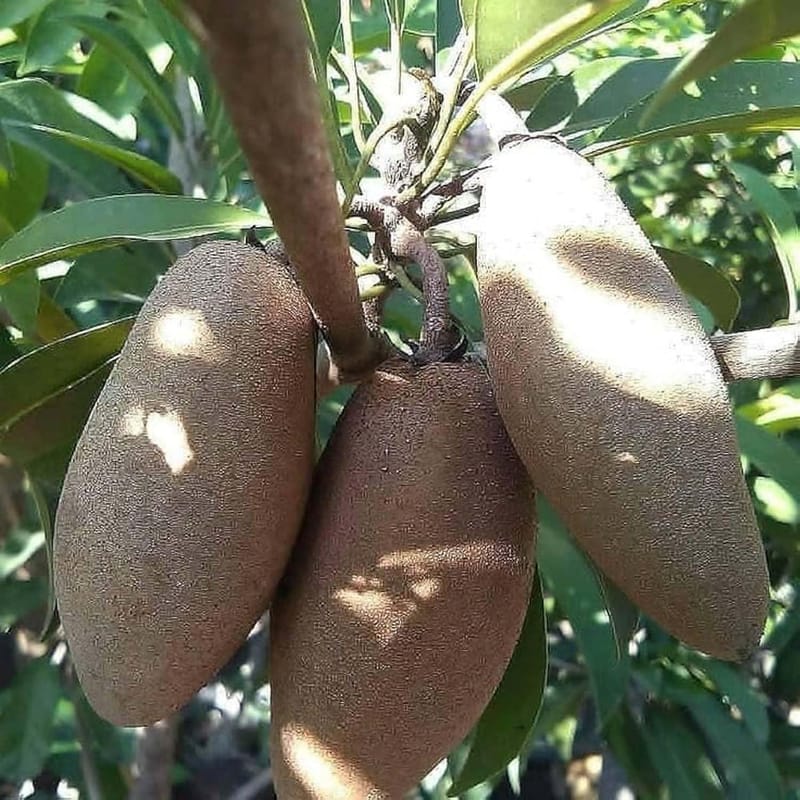
- This exotic sapota variety yields distinctively long, banana-shaped fruits with a soft, reddish-brown, grainy flesh and a rich, exceptionally sweet, caramel-like flavor.
- An 'All-Season' grafted variety that yields distinctively long, banana-shaped fruit with a rich, caramel-like flavor.
- Using a secure paper core packing method for shipping plants.which help ventilating the plant during transit.
COD (Cash On Delivery) Available
Delivery
Product Information
| # | Attribute | Value |
|---|---|---|
| 1. | brand | TAPOBON |
Plants are packed and shipped by Tapobon Nursery.
Chikoo Thai Banana Long Sapota Variety Grafted Fruit Plant
Product Features and Variety
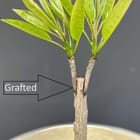
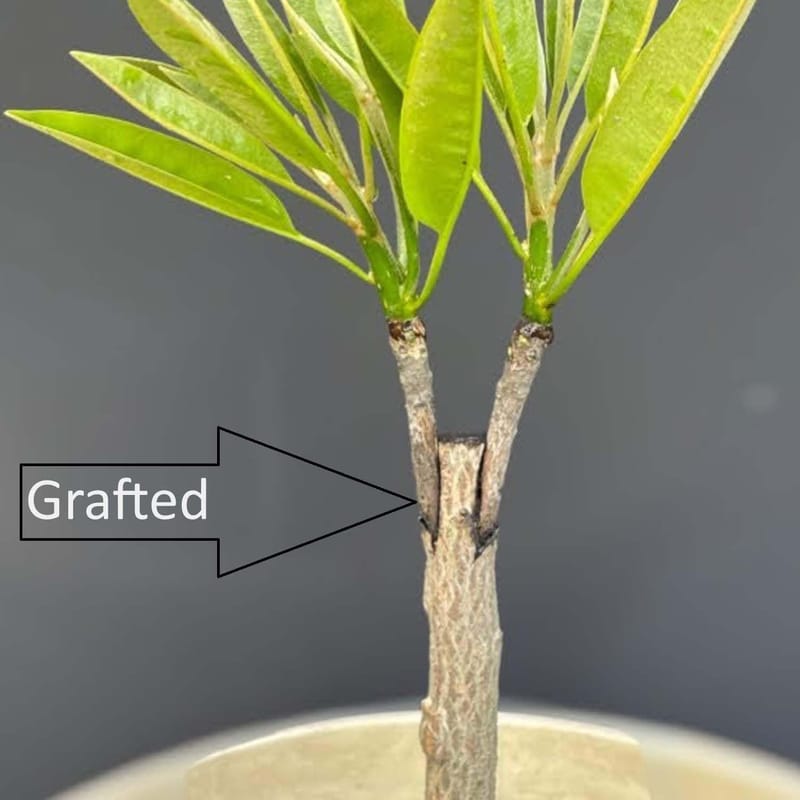
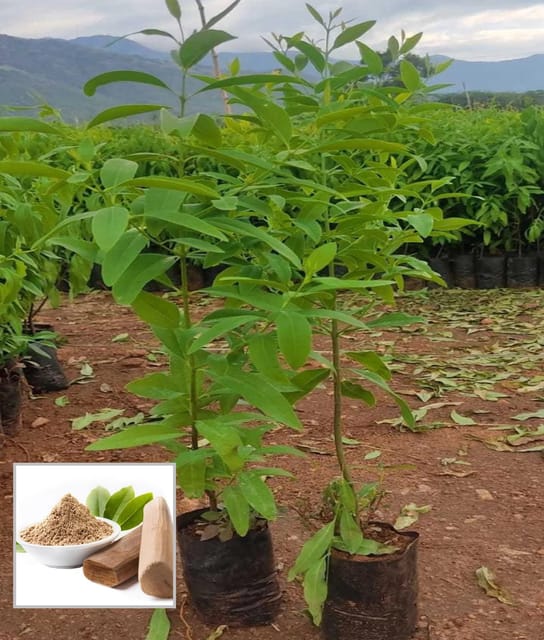
The Chikoo tree, or Sapota (Manilkara zapota), is a resilient, tropical evergreen fruit tree. This specific offering is the Thai Banana Long Variety, propagated through grafting, which ensures the plant is true-to-name and promotes earlier, higher-yield fruiting, making it ideal for cultivation in Indian gardens, terraces, and large pots.
- Variety: Thai Banana Long Sapota (Chikoo).
- Type: Grafted Fruit Plant/Tree. Grafting ensures the plant bears fruit earlier (typically within 1-2 years) than a seed-grown plant.
- Size: 1.5–3 Feet Height.
- Suitability: Thrives in almost all Indian climates and soil conditions. Excellent for both ground planting and container gardening.
The Fruit: Thai Banana Long Sapota
This exotic variety of Sapota is highly prized for its unique shape and superior taste.
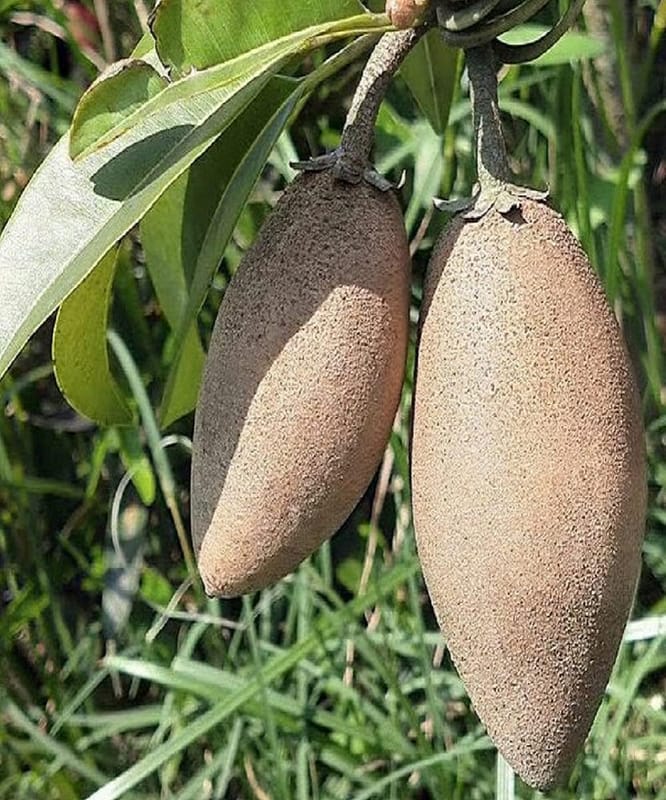
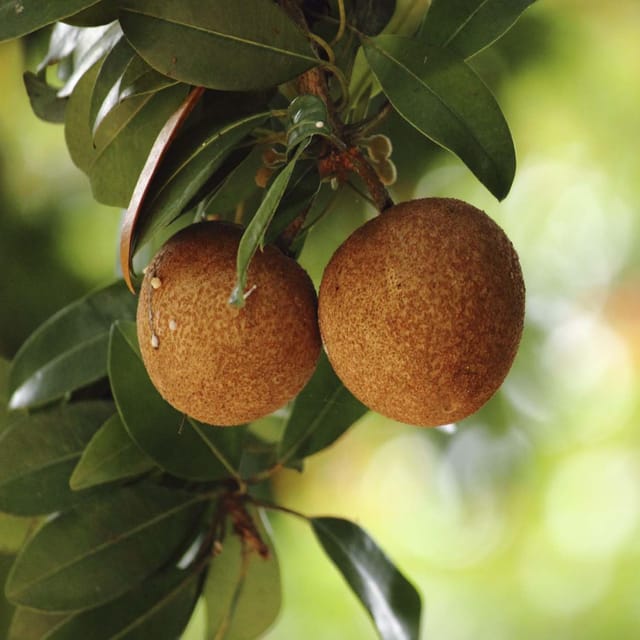
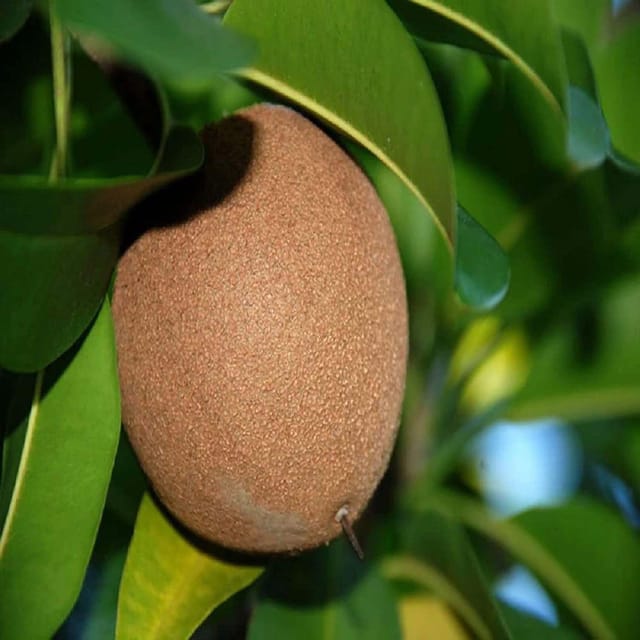
- Shape and Appearance: Distinctively long and cylindrical, resembling a small banana, unlike the typical round or oval sapota. The skin is smooth and brown.
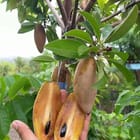
- Texture and Taste: The flesh is soft, reddish-brown, and has a characteristic grainy texture. It offers a rich, malty, and exceptionally sweet flavor with notes of brown sugar and caramel.
- Fruiting: Known as an 'All-Season' variety, this grafted plant has the potential to produce fruits multiple times a year with proper care in Indian climates.
- Culinary Use: Delicious when eaten fresh, and perfect for milkshakes, desserts, or other culinary creations.
Essential Care Guide for Indian Climates
Sunlight and Climate Needs
The Chikoo plant is a tropical perennial that requires ample sunlight to grow vigorously and fruit profusely.
- Sunlight: Requires full and direct sunlight (at least 6-8 hours a day) for optimal growth and fruiting.
- Air Circulation: Ensure the plant is placed in a location with good air movement to prevent fungal issues.
Watering and Soil
The tree thrives in fertile, well-draining soil and requires consistent moisture, especially when young.
- Soil: Plant in fertile, well-drained loamy soil that is rich in organic matter. Avoid heavy clay soils.
- Watering: Water regularly and deeply. Check the soil moisture by allowing the top inch of soil to dry out completely before the next watering. Avoid waterlogging at all costs to prevent root rot.
- Fertilization: Apply a balanced organic fertilizer, such as compost or organic manure, every 30 to 45 days during the main growing seasons.
The secure paper core packing method used for shipping ensures the plant is protected and well-ventilated during transit, guaranteeing you receive a healthy, genuine variety plant.
Customer Review
Be the first to review this product