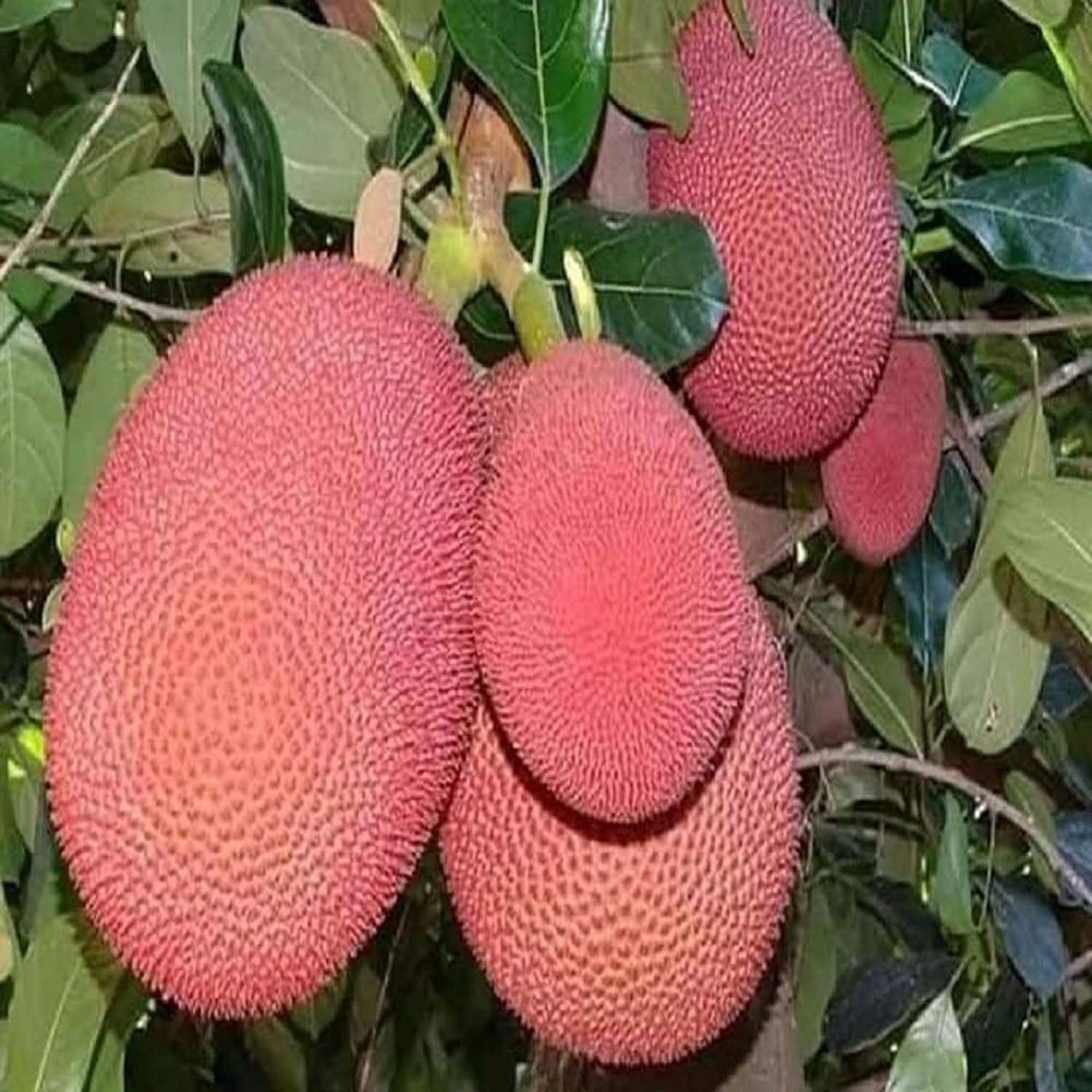


Jackfruit Thai Pink All Season Varikka Katahal Panasa Chakka variety Grafted Fruit Plants & Tree(1.5-3 Feet Size) - Tapobon
SKU : TAPOBON-N170
Brand : TAPOBON
Sold By : TAPOBON
₹428 ( 57% OFF )
MRP ₹997 Inclusive of all taxes
50 item left in Stock
Features
- An "All Season" variety prized for its vibrant, slightly pinkish-yellow flesh with a sweet, aromatic, and succulent tropical flavor.
- This highly productive, grafted "All Season" variety is adaptable to most Indian climates and suitable for container gardening.
- Using a secure paper core packing method for shipping plants.which help ventilating the plant during transit.
COD (Cash On Delivery) Available
Delivery
Product Information
| # | Attribute | Value |
|---|---|---|
| 1. | brand | TAPOBON |
Plants are packed and shipped by Tapobon Nursery.
Jackfruit Thai Pink All Season (Varikka/Katahal/Panasa/Chakka) Variety Grafted Fruit Plant
Product Features and Variety
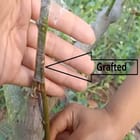
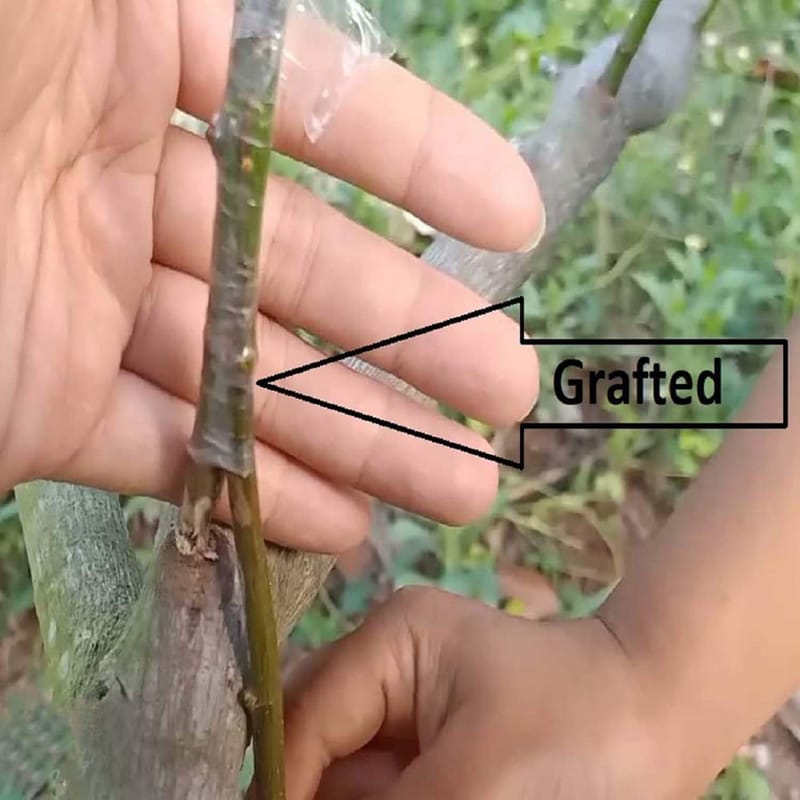
The Jackfruit tree (Artocarpus heterophyllus) is one of the world's largest tree-borne fruits, highly valued in tropical and subtropical agriculture. This offering is a Grafted Thai Pink All Season variety, a method that promotes earlier yields and ensures the plant retains the superior traits of the parent tree.
- Variety: Thai Pink Jackfruit (also known regionally as Varikka, Katahal, Panasa, or Chakka).
- Type: Grafted Fruit Plant/Tree. Grafted plants generally bear fruit earlier than seed-grown plants.
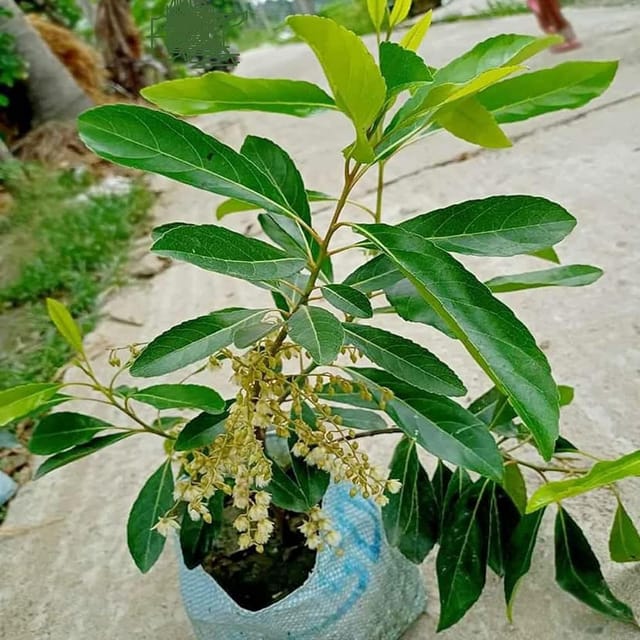
- Size: 1.5–3 Feet Height.
- Suitability: Thrives in almost all Indian climates and soil conditions. Suitable for both ground planting and container gardening.
The Fruit: Thai Pink Jackfruit
The Thai Pink Jackfruit is a highly sought-after variety celebrated for its quality and flavor characteristics:
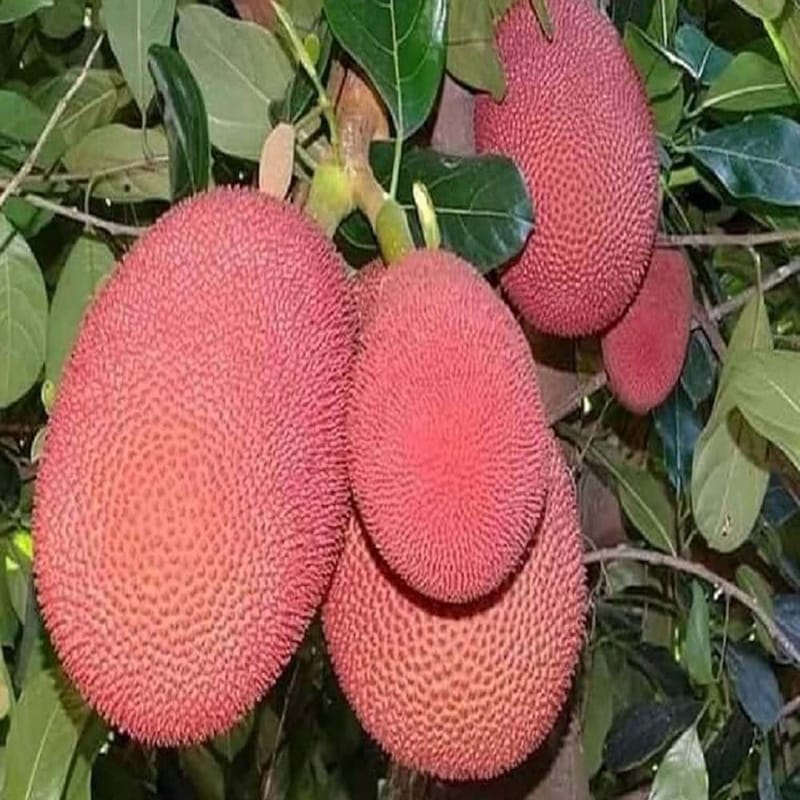
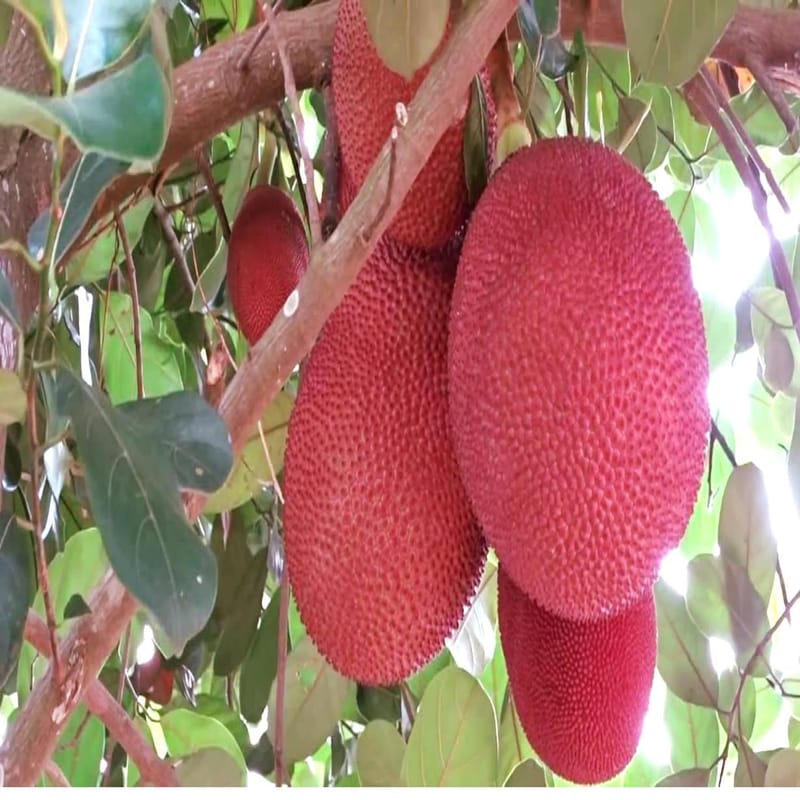
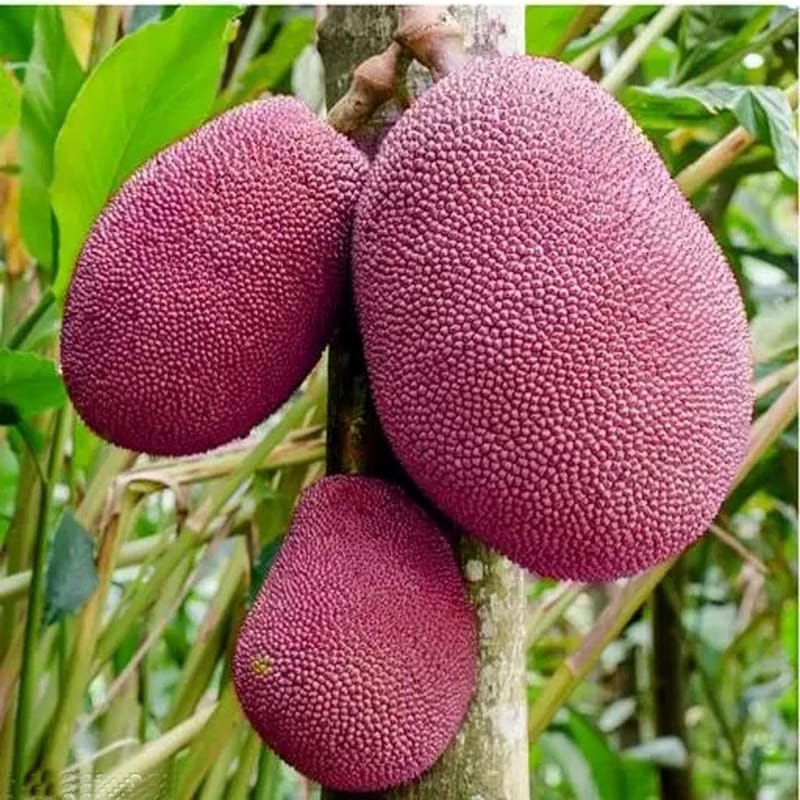
- Appearance and Taste: The ripe fruit's flesh is distinguished by a vibrant, slightly pinkish-yellow hue. It offers a sweet, aromatic, and rich tropical flavor with a pleasantly fibrous and succulent texture.
- Versatility: The fruit is versatile, suitable for consuming fresh as a sweet snack or for use in both savory and sweet culinary dishes.
- Fruiting Habit: This 'All Season' variety has the potential to produce fruit multiple times throughout the year in tropical climates.
Essential Care Guide for Indian Climates
Sunlight and Climate Needs
Jackfruit trees are tropical to sub-tropical plants that require ample sunlight to thrive and produce fruit.
- Sunlight: Choose a location that receives full and direct sunlight (at least 6 or more hours daily) for optimal growth. It can also tolerate low indirect light.
- Climate: Flourishes best in warm, humid, and rainy climates.
Watering and Soil
Consistent care, especially for young and potted plants, is vital for establishment and health.
- Soil: Plant in well-drained, fertile soil that is rich in organic content. Sandy or loamy soils with a slightly higher pH are often recommended.
- Watering: Water regularly and deeply when the top 1–2 inches of soil feel dry to the touch. Avoid letting the soil remain waterlogged. Young plants (first three years) benefit from consistent, frequent watering.
- Fertilization: Use a balanced fertilizer during the main growing seasons to support healthy leaf and fruit development.
The secure paper core packing method used for shipping ensures the plant is protected and well-ventilated during transit, ensuring you receive a healthy, genuine variety plant.

Customer Review
Be the first to review this product