
Jujube Miss India Apple Ber Kul Variety variety Grafted Fruit Plants & Tree(1-2 Feet Size) - Tapobon
SKU : TAPOBON-N116
Brand : TAPOBON
Sold By : TAPOBON
₹278 ( 55% OFF )
MRP ₹622 Inclusive of all taxes
50 item left in Stock
Features
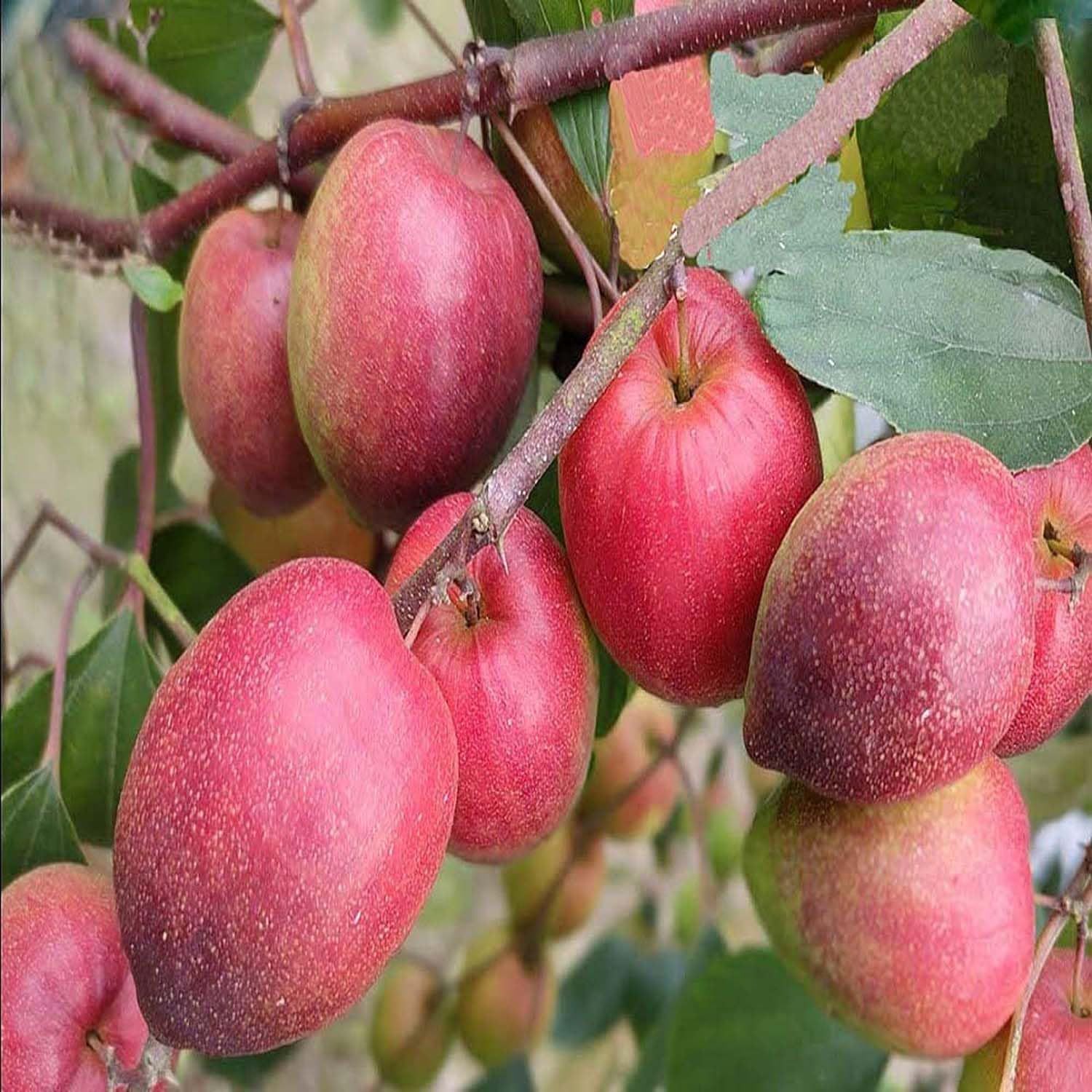
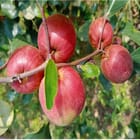
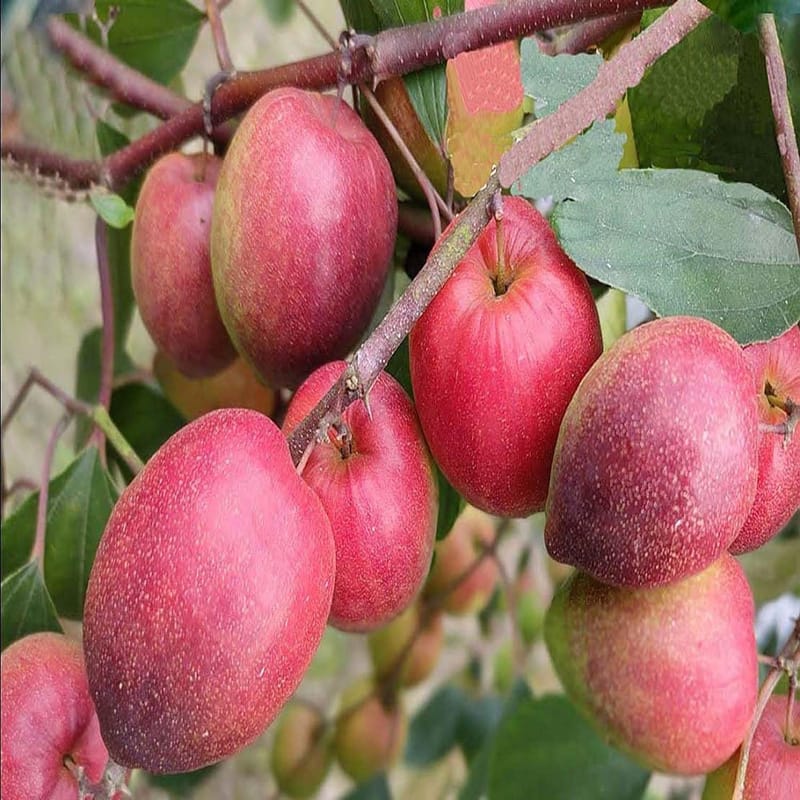
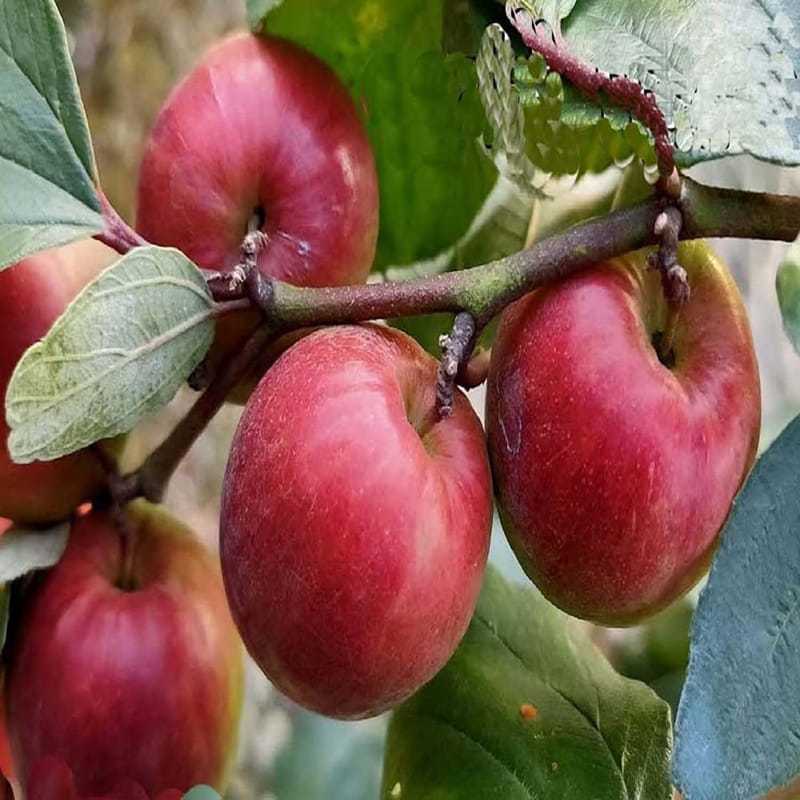
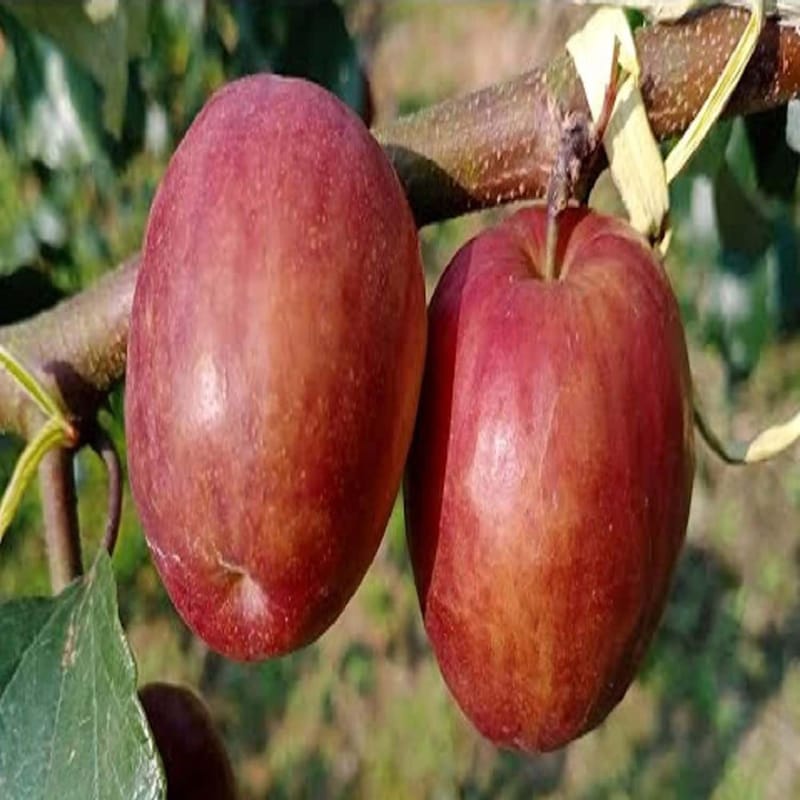
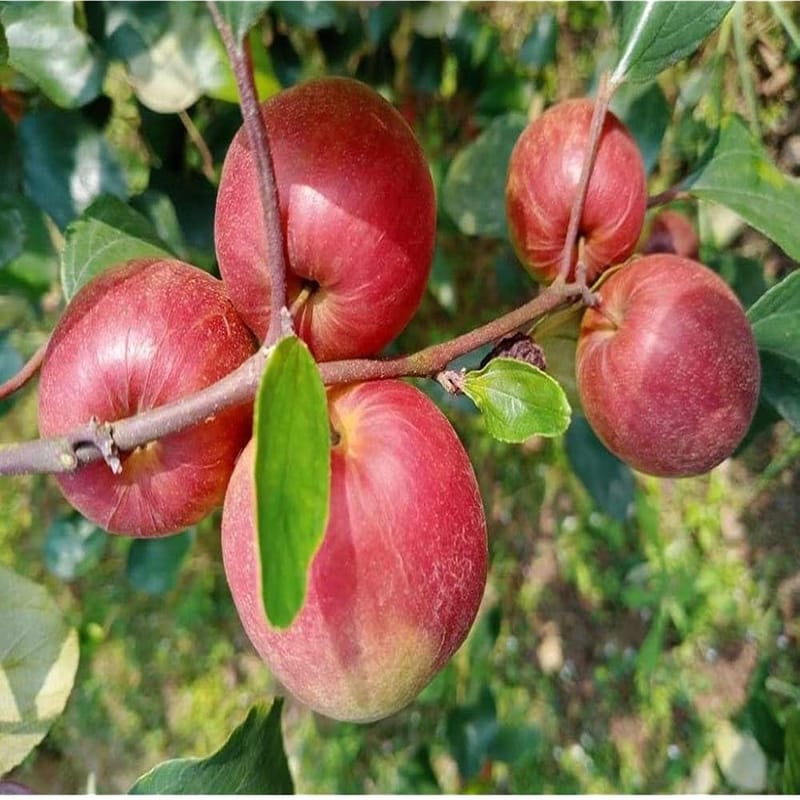
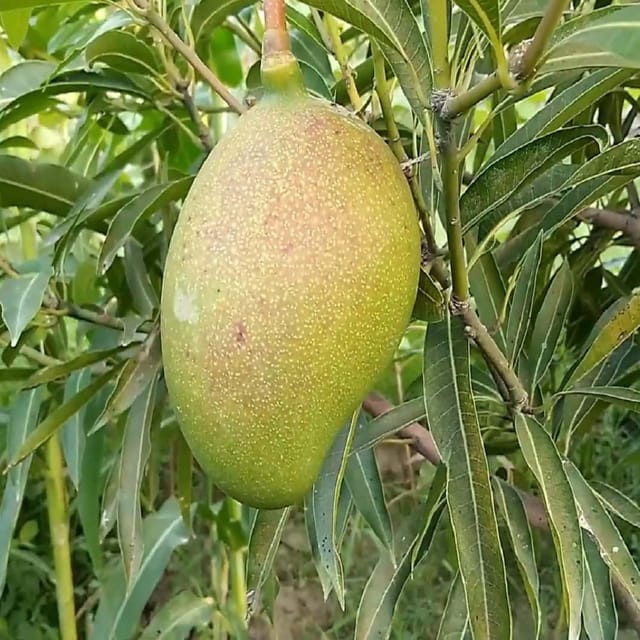
- A grafted Jujube 'Miss India Kul Variety' yielding medium-to-large, shiny reddish-brown fruit with a crisp, sweet, and juicy apple-like flavor.
- Highly adaptable and low-maintenance, this grafted variety is highly drought-tolerant and thrives in full sunlight.
- Using a secure paper core packing method for shipping plants.which help ventilating the plant during transit.
COD (Cash On Delivery) Available
Delivery
Product Information
| # | Attribute | Value |
|---|---|---|
| 1. | brand | TAPOBON |
Plants are packed and shipped by Tapobon Nursery.
Jujube Miss India Apple Ber Kul Variety Grafted Fruit Plant
Product Features and Variety
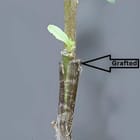
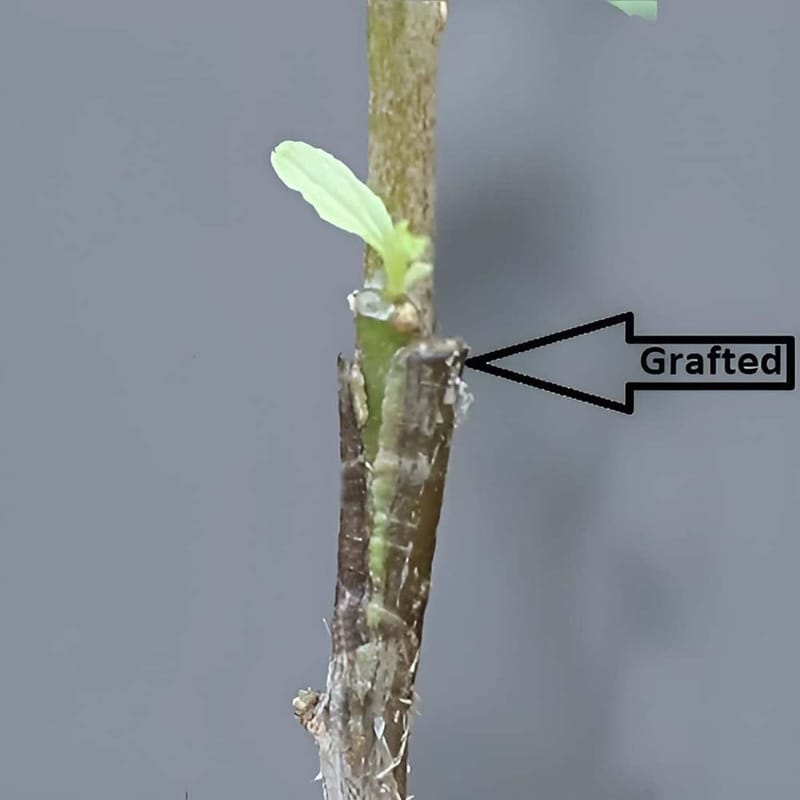
The Jujube (Ziziphus mauritiana), commonly known as Ber or Indian Jujube, is a resilient and popular fruit tree in Indian horticulture. This offering is the celebrated Miss India Kul Variety, propagated through Grafting. This method ensures the plant is true-to-type, promotes quicker fruiting, and guarantees a consistent, high-yield harvest.
- Variety: Miss India Apple Ber Kul.
- Type: Grafted Plant/Tree. Grafted plants generally bear fruit earlier—often within the first year.
- Size: 1–2 Feet Height. The compact size makes it highly suitable for both ground planting and container gardening in large pots (18x18 inches or larger).
- Suitability: Highly adaptable and thrives in almost all Indian climates, especially hot, arid, and semi-arid regions.
The Fruit: Miss India Apple Ber
The Miss India variety is famous for its large, appealing fruit:
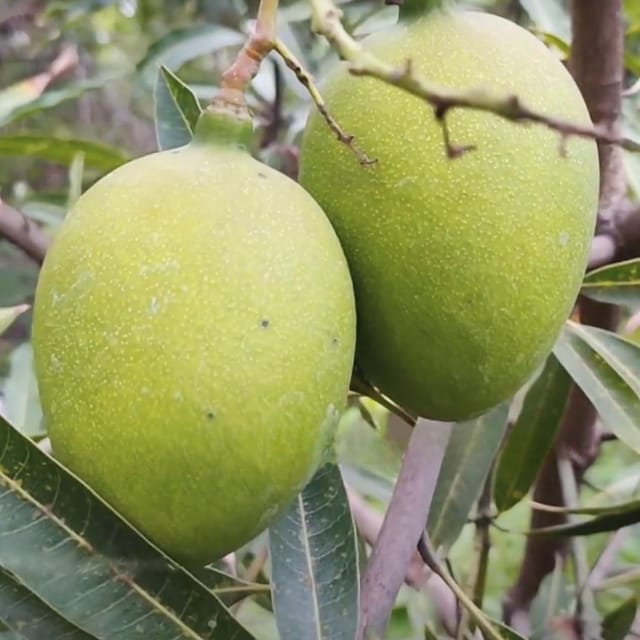
- Appearance: Fruits are round, medium to large in size, and display a shiny reddish-brown color when fully ripe.
- Texture and Taste: This variety is known for its crisp, crunchy texture and an exceptionally sweet, juicy, apple-like flavor, making it highly preferred for fresh consumption.
- Nutritional Benefits: The fruits are naturally rich in essential nutrients, including Vitamin C, antioxidants, and dietary fiber.
Essential Care Guide for Indian Climates
Sunlight and Climate Needs
The Jujube is a tropical plant that requires significant sun exposure to produce an abundant harvest.
- Sunlight: Requires full and direct sunlight, with at least 6–8 hours of sun daily for optimal growth and fruit production.
- Air Circulation: Ensure the planting location, whether in a garden or a pot, has good air movement.
Watering and Soil
The plant is known for its hardiness and tolerance to drought once established.
- Soil: Use well-draining soil. A slightly sandy loam is ideal, but the plant is tolerant of a variety of soil conditions.
- Watering: Water regularly, but moderately. It is crucial to allow the top inch of soil to dry out completely between waterings to prevent waterlogging.
- Fertilization: Apply a balanced organic compost or slow-release fertilizer every 45–60 days during the main growing seasons to support healthy fruit development.
- Maintenance: Light pruning after the fruiting period helps to maintain the tree's shape and encourages better yield for the following season.
The secure paper core packing method used for shipping ensures the plant is protected and well-ventilated during transit, ensuring you receive a healthy, genuine variety plant.
Customer Review
Be the first to review this product