
Pomegranate Madhura Variety Anar Fruit (Air Layering/Grafted) Plants & Tree(1.5-3 Feet Size) - Tapobon
SKU : TAPOBON-N147
Brand : TAPOBON
Sold By : TAPOBON
₹428 ( 57% OFF )
MRP ₹997 Inclusive of all taxes
50 item left in Stock
Features
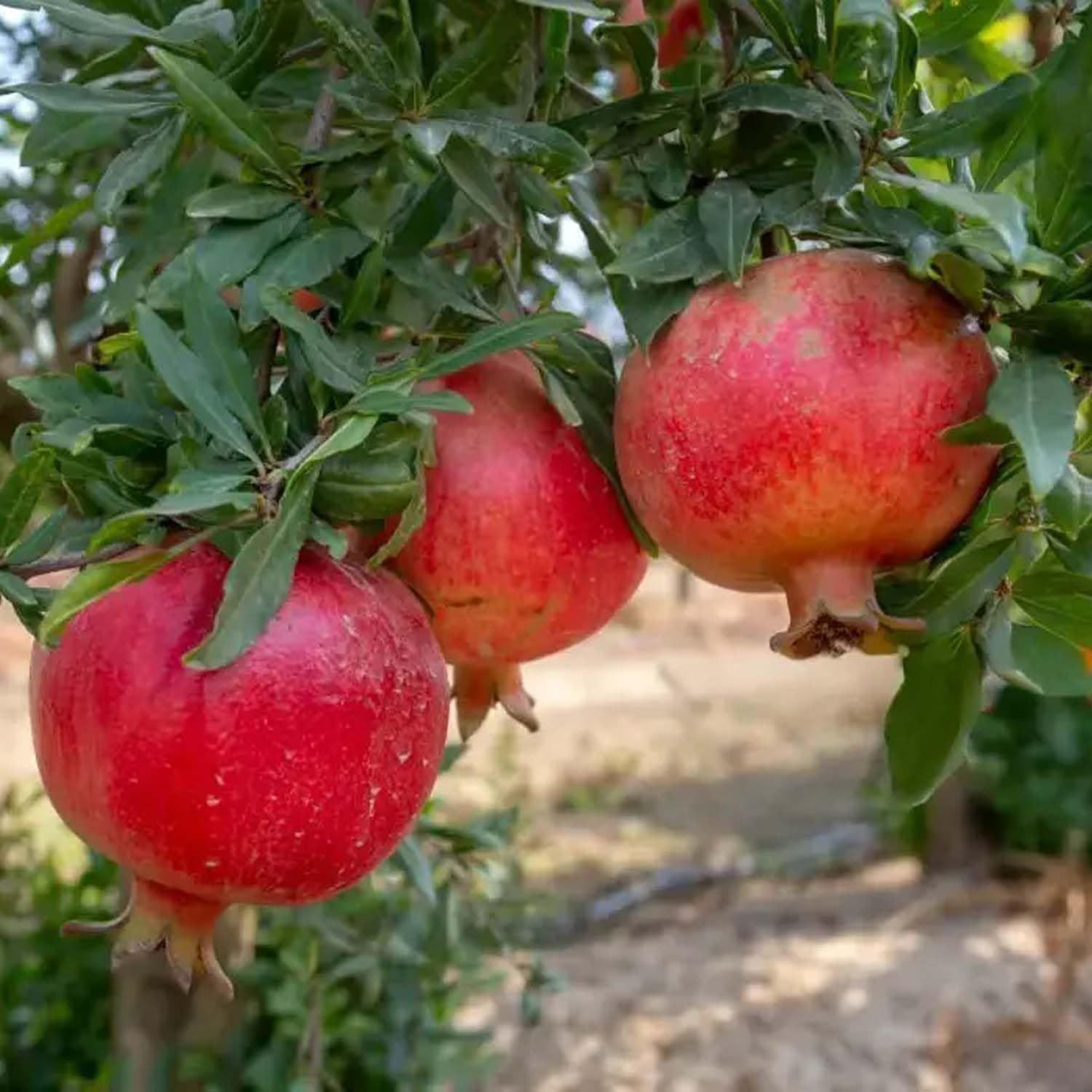
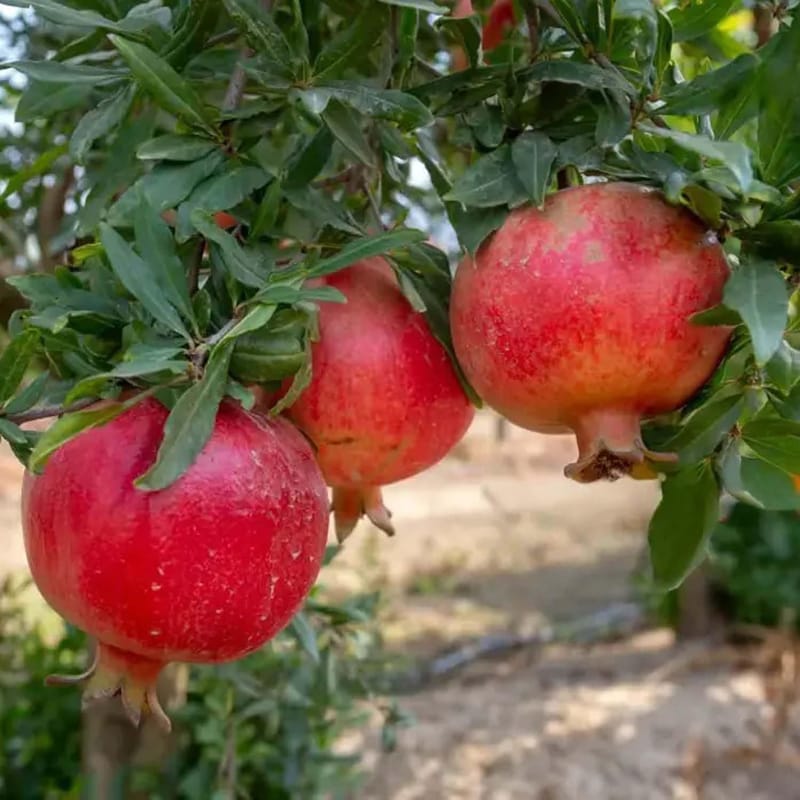
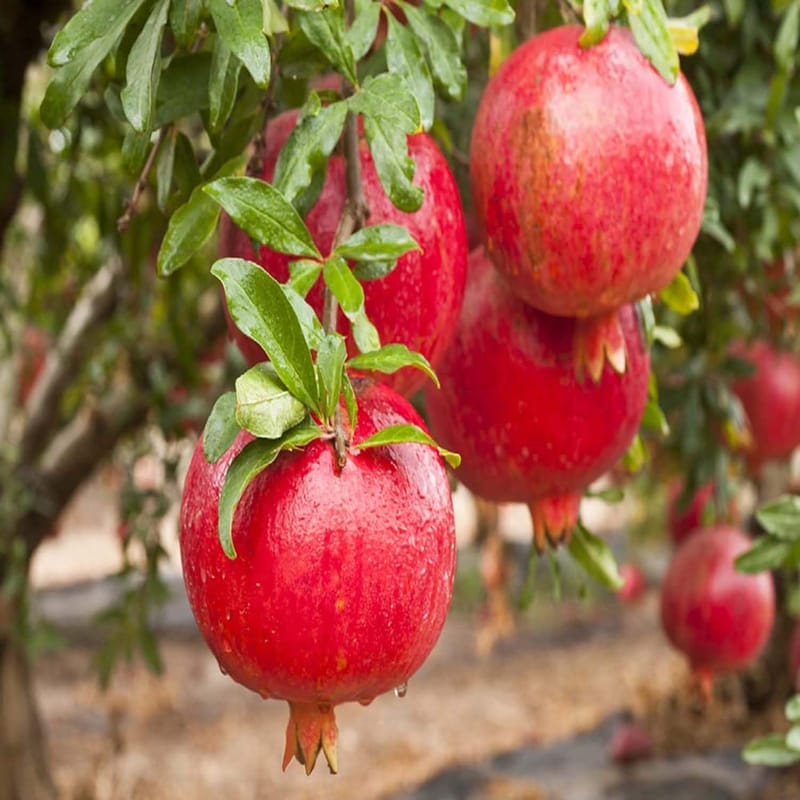
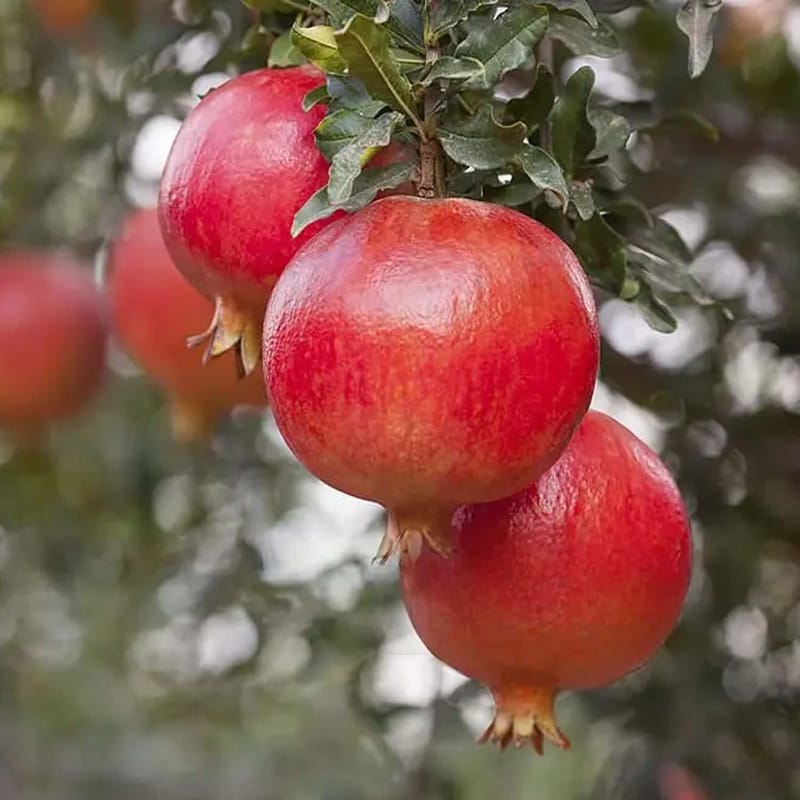
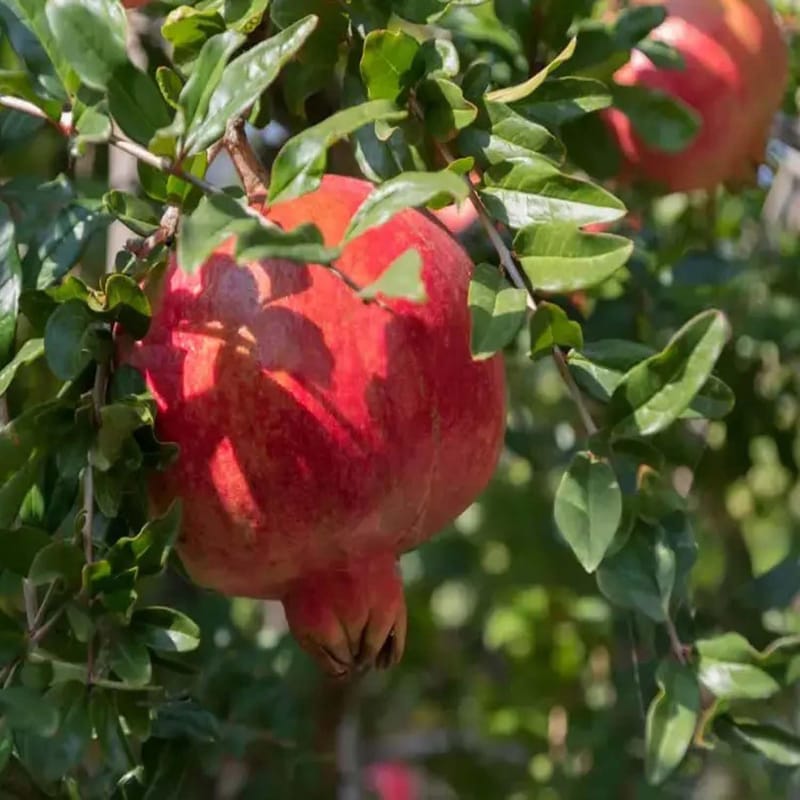
- The Madhura variety yields globose, reddish fruits prized for their sweet and refreshing arils.
- A highly adaptable variety that is drought-tolerant once established, but requires consistent watering during fruiting to prevent fruit splitting.
- Using a secure paper core packing method for shipping plants.which help ventilating the plant during transit.
COD (Cash On Delivery) Available
Delivery
Product Information
| # | Attribute | Value |
|---|---|---|
| 1. | brand | TAPOBON |
Plants are packed and shipped by Tapobon Nursery.
Pomegranate Madhura Variety Anar Fruit (Air Layering/Grafted) Plant
Product Features and Variety
The Pomegranate (
- Variety: Madhura Pomegranate (Anar). This variety is prized for its generally sweet taste.
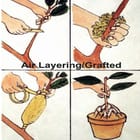
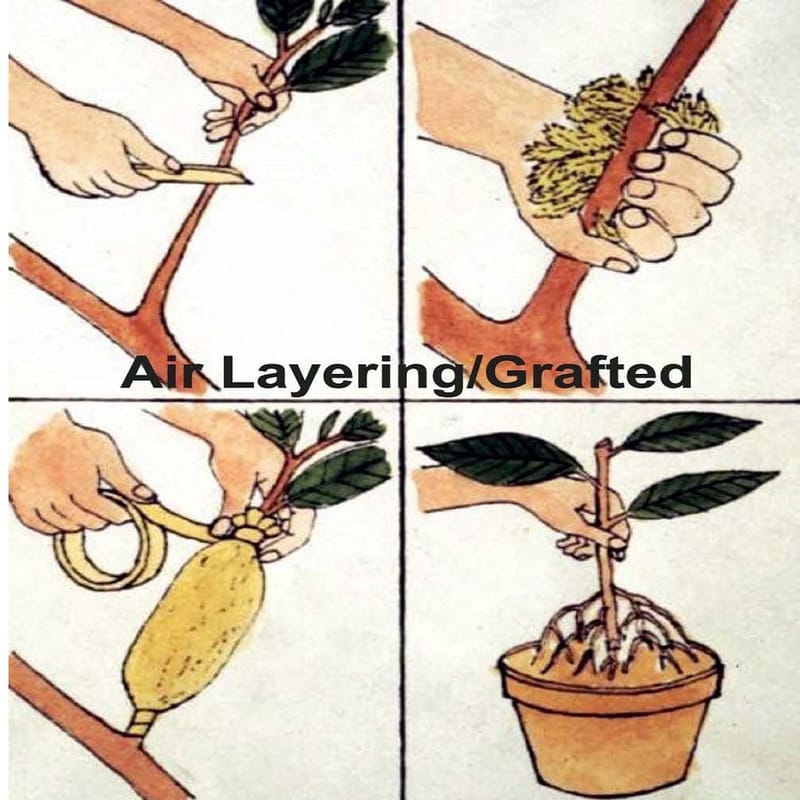
- Type: Grafted/Air Layered Plant. Propagated to ensure varietal characteristics and faster fruiting (typically within 2-4 years).
- Size: 1.5–3 Feet Height. Suitable for cultivation in both ground gardens and large containers.
- Suitability: Highly adaptable and thrives across the diverse climates of India, provided essential care is maintained.
Fruit and Ornamental Features
The Pomegranate offers both ornamental value and a nutritious harvest:
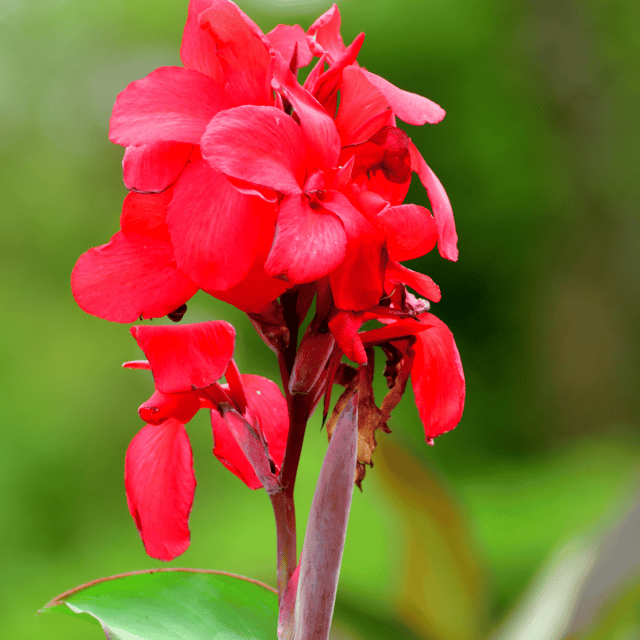
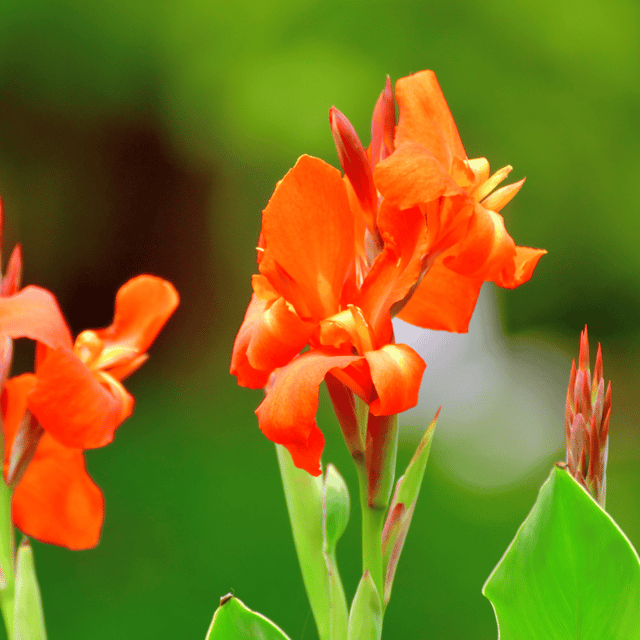
- Flowers: The plant produces attractive, trumpet-shaped red-orange flowers from spring to summer, which are excellent for attracting pollinators.
- Fruit Characteristics: The Madhura variety produces globose, reddish fruits containing hundreds of edible seeds, known as arils. These arils are known for their refreshing, sweet flavor and are a powerhouse of nutrients, including Vitamin C, Vitamin K, and antioxidants.
- Culinary Use: The juicy arils can be enjoyed fresh, juiced, or used in a variety of Indian culinary preparations, including raita and salads.
Essential Care Guide for Indian Climates
Sunlight and Soil Needs
Pomegranate trees require ample sunlight and well-draining soil for optimal growth and fruit production.
- Sunlight: Plant in a location that receives full and direct sunlight, ideally 6–8 hours daily.
- Soil: Pomegranates are adaptable but perform best in well-drained soil, such as a sandy loam. They prefer neutral to alkaline soil (pH 6.5 to 7.0 or higher). For container gardening, ensure the pot has excellent drainage.
Watering and Maintenance
Consistent care is crucial, especially for young and fruiting plants.
- Watering: While the plant is drought-tolerant once established, young trees need consistent, deep watering—typically weekly for the first year. During the fruit development stage in the summer, consistent soil moisture is mandatory, as uneven watering can cause the fruit to split.
- Pruning: Prune in late winter or early spring to shape the tree, remove dead or crossing branches, and encourage air circulation. Regularly remove suckers (shoots growing from the base or roots) to maintain a tree-like form.
- Fertilization: Avoid fertilizing immediately after planting. Once established, use a balanced, slow-release fertilizer for fruit trees in the spring, or mix organic compost into the soil.
The secure paper core packing method used for shipping ensures the plant is protected and well-ventilated during transit, ensuring you receive a healthy, genuine variety plant.


Customer Review
Be the first to review this product