
Thai Bel Bael Bilva variety Grafted Fruit Plants & Tree(1-2 Feet Size) - Tapobon
SKU : TAPOBON-N277
Brand : TAPOBON
Sold By : TAPOBON
₹428 ( 57% OFF )
MRP ₹997 Inclusive of all taxes
50 item left in Stock
Features
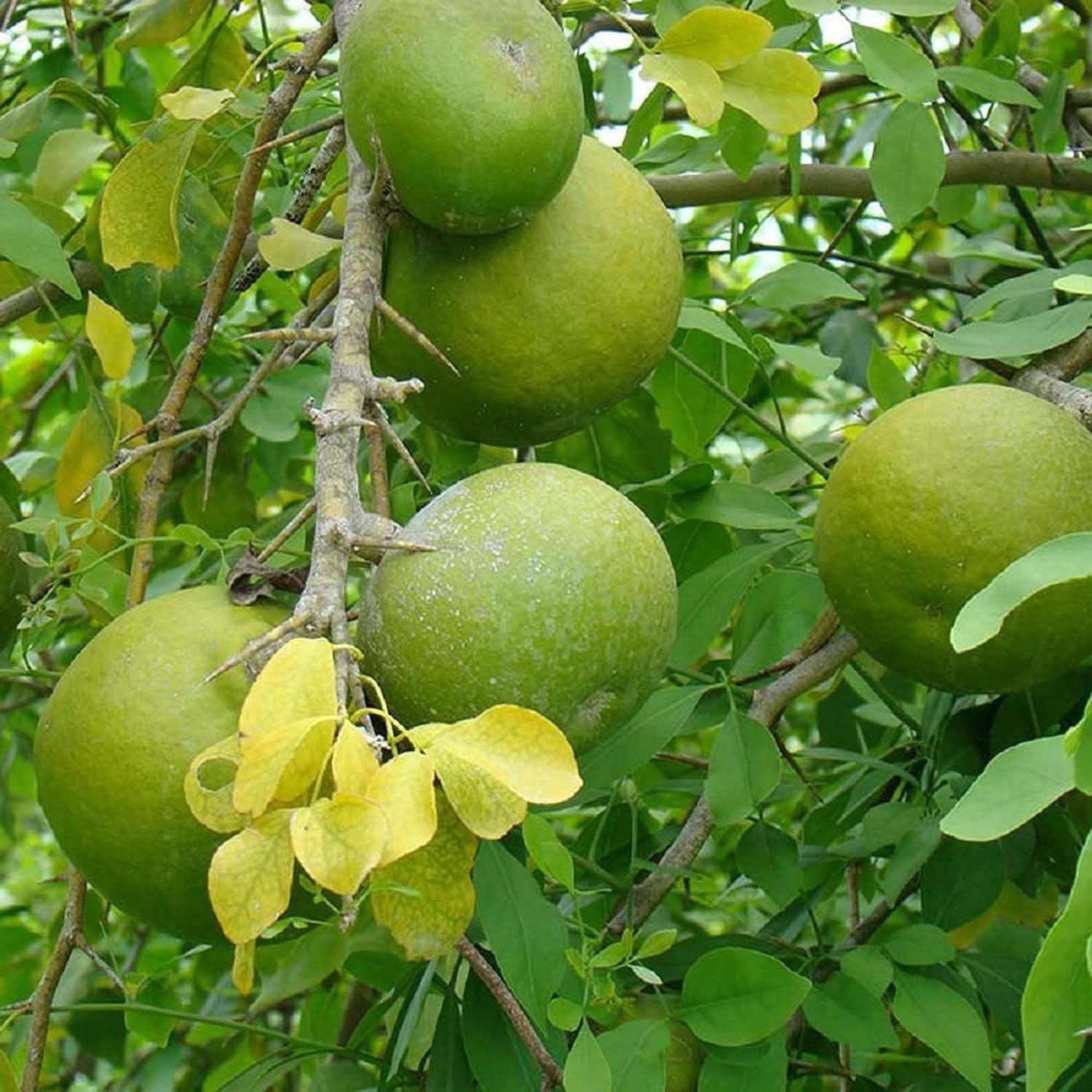
- A grafted Thai Bael variety yielding larger, sweeter, and more aromatic fruit encased in a hard, woody shell with fibrous orange pulp.
- A highly resilient plant that is drought-tolerant once established and thrives in full, direct sunlight.
- Using a secure paper core packing method for shipping plants.which help ventilating the plant during transit.
COD (Cash On Delivery) Available
Delivery
Product Information
| # | Attribute | Value |
|---|---|---|
| 1. | brand | TAPOBON |
Plants are packed and shipped by Tapobon Nursery.
Thai Bel Bael Bilva variety Grafted Fruit Plant
Product Features and Variety
The Bael tree (Aegle marmelos), commonly known as Bilva, Wood Apple, or Bengal Quince, is a sacred and highly medicinal deciduous tree. This offering is a Grafted Thai Variety, which is specifically valued for:
- Variety: Thai Bel (Bael, Bilva).
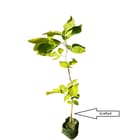
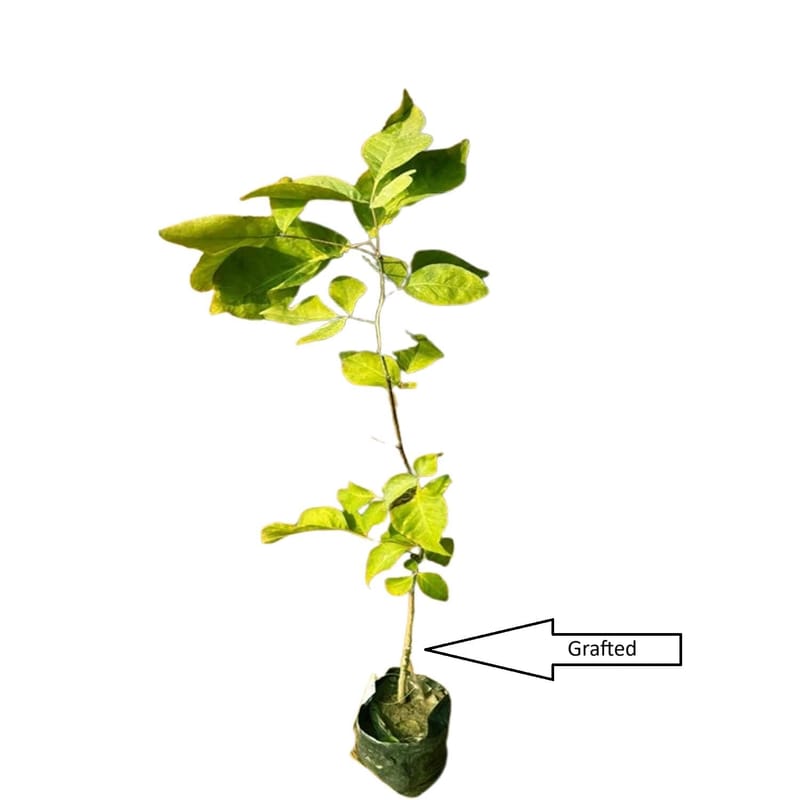
- Type: Grafted Plant/Tree, promoting earlier fruit bearing compared to seedlings.
- Size: 1-2 Feet Height.
- Thai Distinction: This variety is known to produce fruits that are typically larger, sweeter, and more aromatic than the common Indian Bael.
- Suitability: A resilient plant that can grow in almost all Indian climates and soil conditions, suitable for both ground planting and container gardening.
The Fruit: Bael (Bilva)
The Bael fruit is renowned for its distinctive hard shell and aromatic, therapeutic pulp.
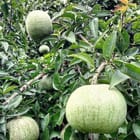
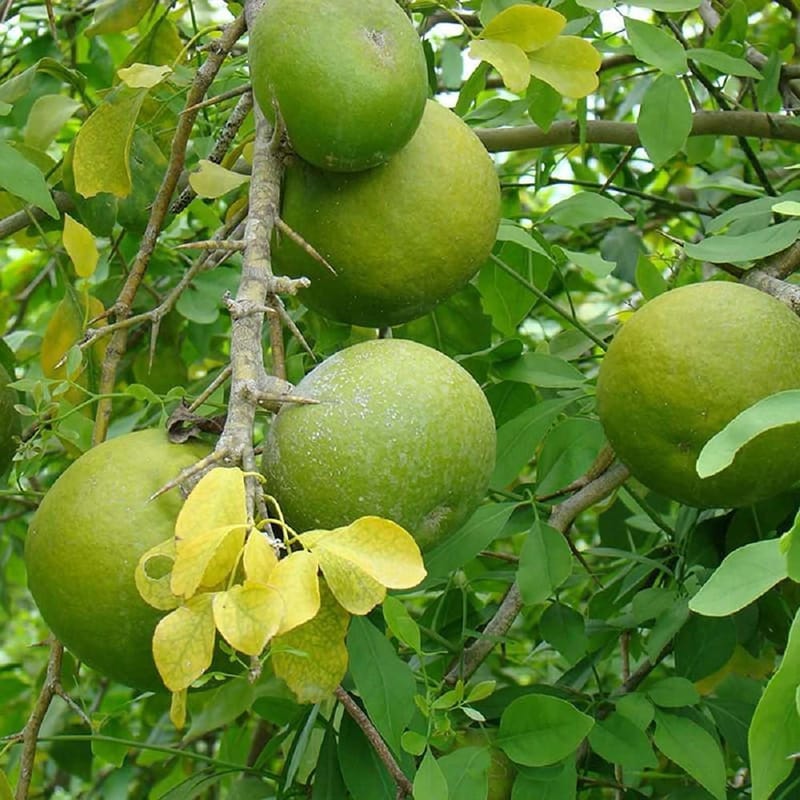
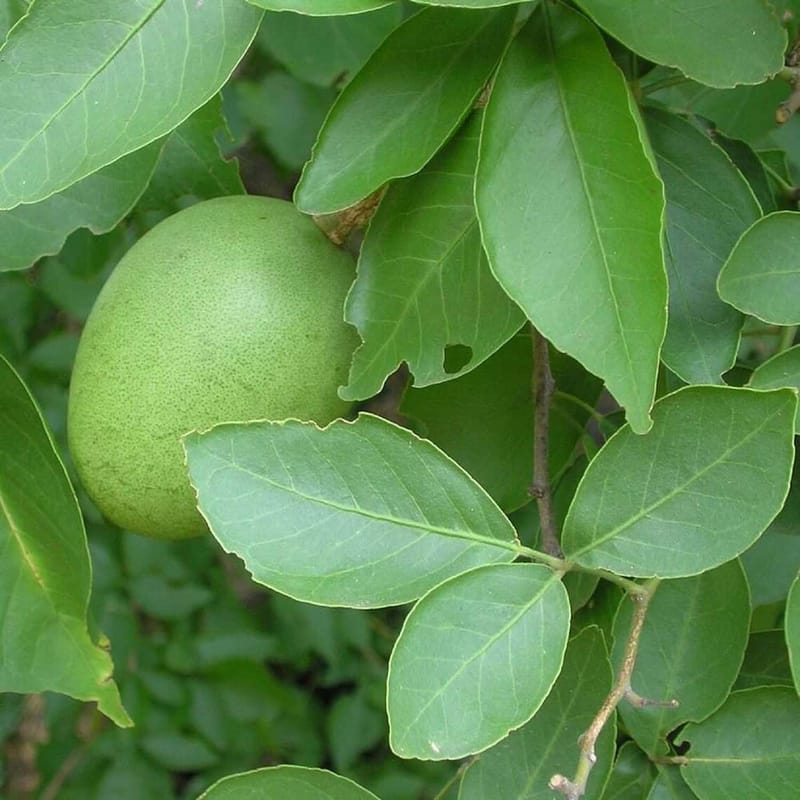
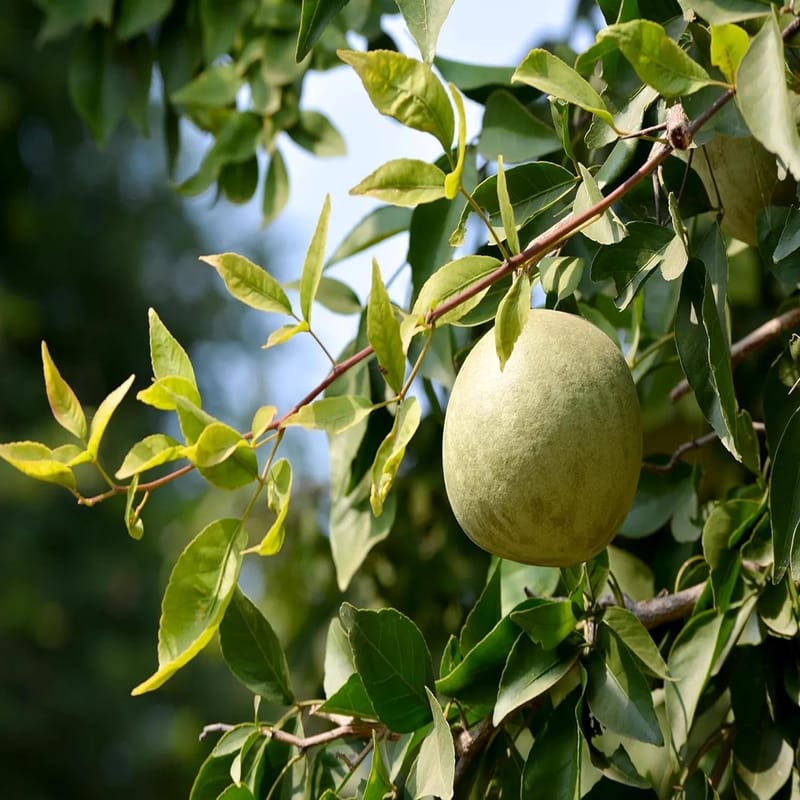
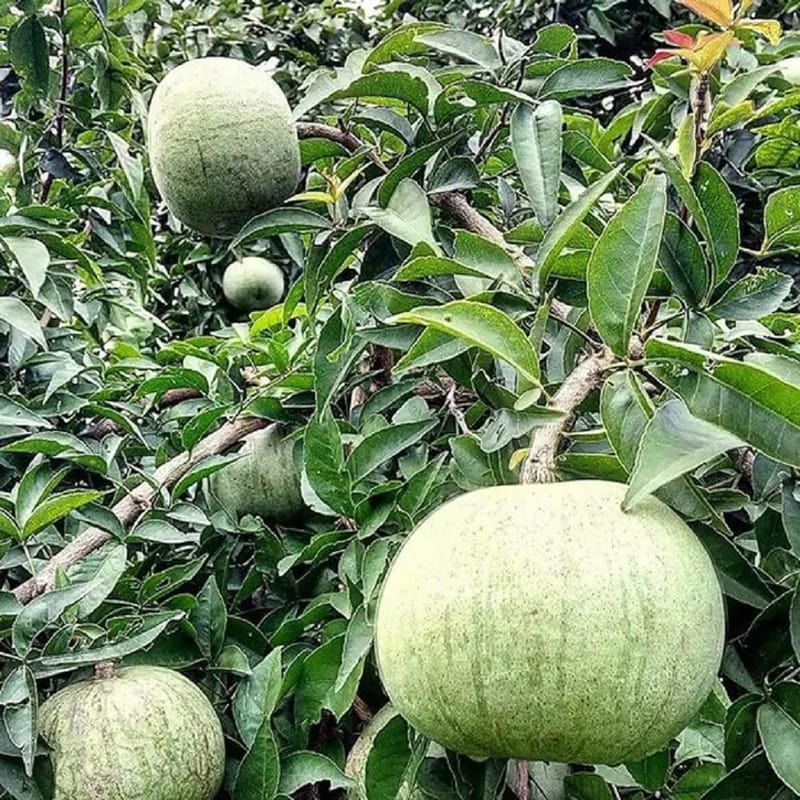
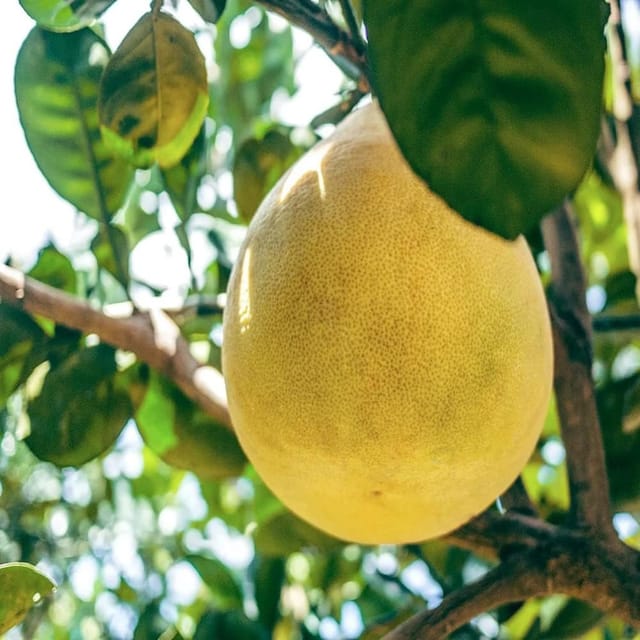
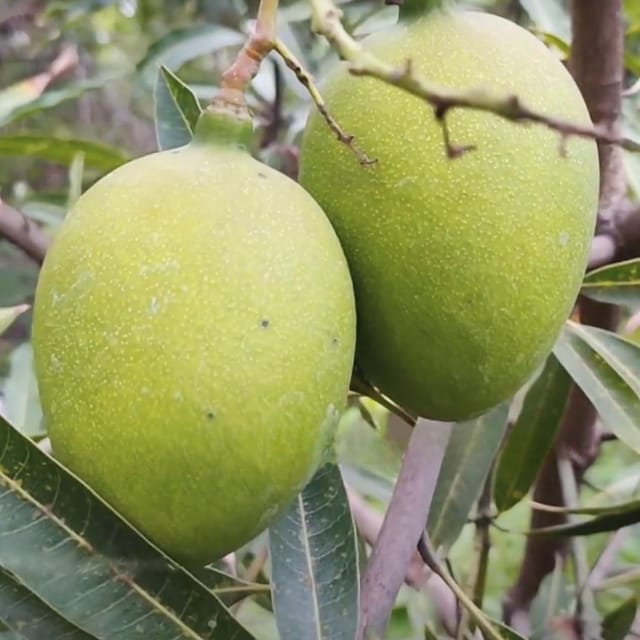
- Appearance: Globose or slightly pear-shaped fruit with a thick, woody shell that turns yellowish-green or gray upon ripening.
- Pulp and Taste: The fibrous, aromatic, orange-colored pulp offers a sweet, tangy, and musky flavor, which is a key component in refreshing summer drinks.
- Medicinal Significance: Highly revered in traditional medicine, the fruit is a source of Vitamins A, B, and C, and is celebrated for its powerful digestive, anti-inflammatory, and immunity-boosting properties.
Essential Care Guide for Indian Climates
Sunlight and Climate Needs
The Bael tree is hardy and thrives in warm environments, requiring a pronounced dry season to fruit well.
- Sunlight: Requires full and direct sunlight (at least 6 or more hours a day) for optimal growth and fruit production.
- Climate: Tolerant of a wide range of temperatures and is well-adapted to subtropical and tropical regions.
Watering and Soil
- Soil: Plant in well-drained, loamy soil. The tree is very hardy and can tolerate a wide pH range (5.0 to 10.0).
- Watering: Water regularly and deeply, allowing the top layer of soil to dry completely between watering sessions. Avoid waterlogging, as the plant is drought-tolerant once established.
Using a secure paper core packing method for shipping plants, which helps in ventilating the plant during transit.
Customer Review
Be the first to review this product